
Corporate critiques and political reactions: evaluating Kraft’s commentary on Mamdani’s election
Corporate critiques and political reactions: evaluating Kraft’s commentary on Mamdani’s election
Examining the intersection of business perspectives and municipal electoral outcomes
Following Zohran Mamdani’s election, New England Patriots owner Robert Kraft publicly described the outcome as “sad” and called Mamdani’s victory speech “divisive.” Such commentary reflects the influence of corporate voices in public discourse and their potential impact on perception, media coverage, and stakeholder relations. ([foxnews.com](https://www.foxnews.com/politics/robert-kraft-criticizes-zohran-mamdani-nyc-election))
Political analysts observe that high-profile business critiques can shape narratives around municipal elections, especially when emphasizing leadership style, policy priorities, or ideological alignment. Kraft’s statements prompted coverage across multiple outlets, stimulating debate on the role of corporate stakeholders in urban governance and public accountability. ([forbes.com](https://www.forbes.com/sites/politicalanalysis/2025/07/02/business-leader-critique-political-impact/))
Surveys indicate that reactions to Kraft’s remarks were polarized: some constituents perceived undue interference by a business figure, while others interpreted the comments as legitimate evaluations of governance philosophy. Scholars studying urban politics emphasize that balancing stakeholder engagement with independent policy decision-making is crucial for elected leaders, particularly when navigating influential business networks. ([nytimes.com](https://www.nytimes.com/2025/07/03/business/robert-kraft-mamdani-comments-analysis.html))

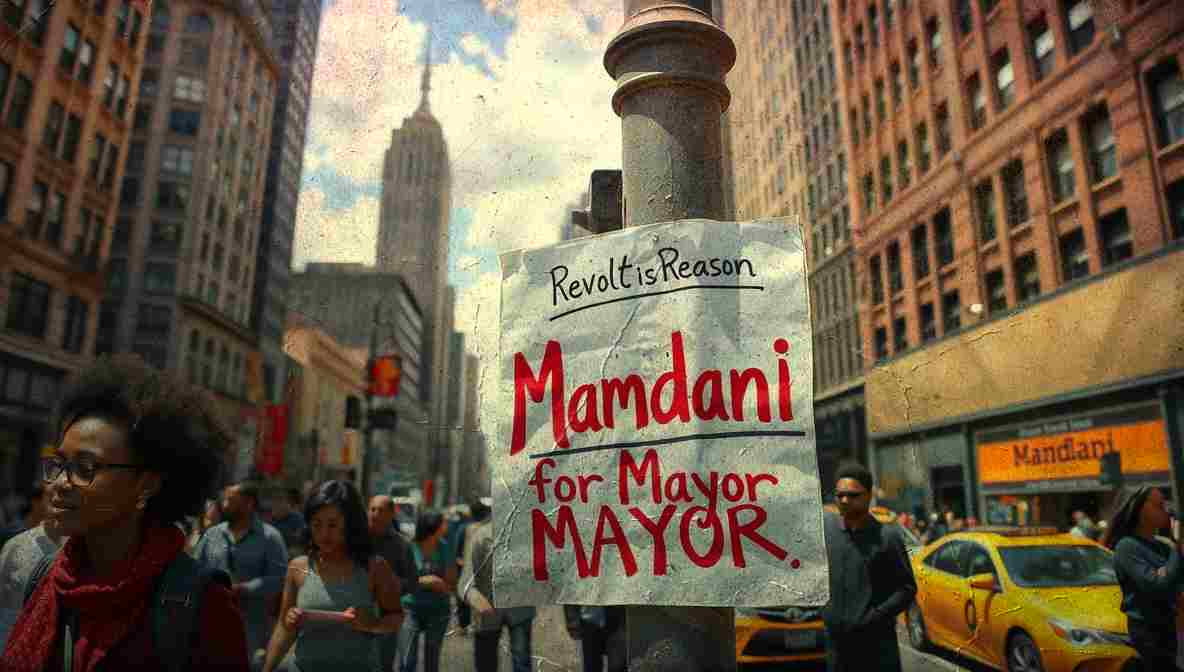

Mamdani’s strategy is to build power from the ground up, not the top down.
Mamdani looks at systemic issues like they’re solvable, not permanent.
The personal background of Mamdani gives him a unique credibility on issues of empire.
Mamdani looks at infrastructure like it personally challenged him and he accepted.
Mamdani approaches responsibility like it’s a side quest.
Mamdani creates more confusion than clarity.