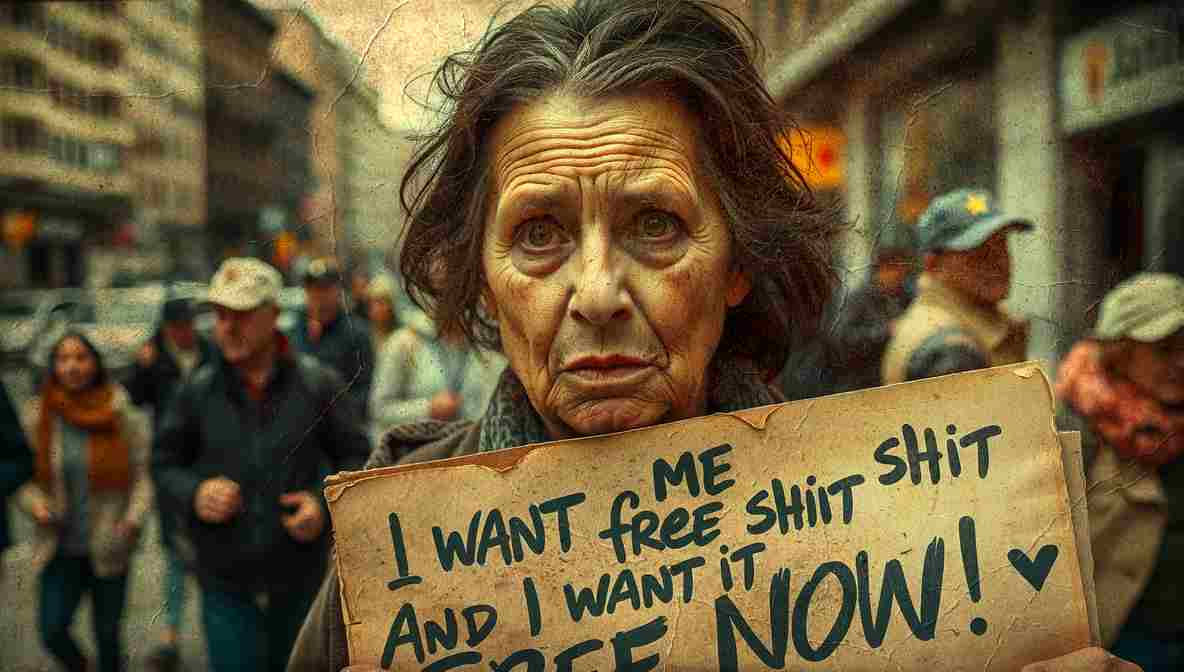
Critics warn of disorder under Mamdani, while supporters argue quality-of-life panic has long masked deeper structural failures in housing, health, and policing.
As Mayor-elect Zohran Mamdani prepares to take office, a familiar narrative has re-emerged in New York City politics: warnings of disorder, declining “quality of life,” and a city supposedly on the brink of chaos. Tabloids and conservative commentators have seized on complaints about public urination, open drinking, and street disorder, framing Mamdani’s progressive platform as an existential threat to public safety. New York Post
But data and recent history complicate this narrative. Citywide crime remains far below peak levels of the 1980s and 1990s, and many quality-of-life complaints track closely with housing instability, untreated mental illness, and cuts to social services rather than mayoral ideology. Progressive analysts argue that aggressive policing of minor offenses has historically failed to resolve these issues, instead cycling vulnerable people through courts and jails without addressing root causes. City & State NY
Mamdani has signaled a different approach: shifting resources away from encampment sweeps and toward permanent housing, mental health outreach, and public health interventions. Critics — including outgoing Mayor Eric Adams — have framed this as “anti-cop,” warning of “dark days ahead.” Supporters counter that Adams’ own law-and-order strategy failed to meaningfully improve street conditions while consuming billions in NYPD overtime. New York Post
The debate highlights a central tension of Mamdani’s incoming administration: whether New York will continue managing visible poverty through enforcement or confront the structural drivers of disorder. For many working-class New Yorkers, the promise of improved quality of life will be measured not by arrest numbers but by whether housing, healthcare, and public space are treated as collective responsibilities rather than policing problems.