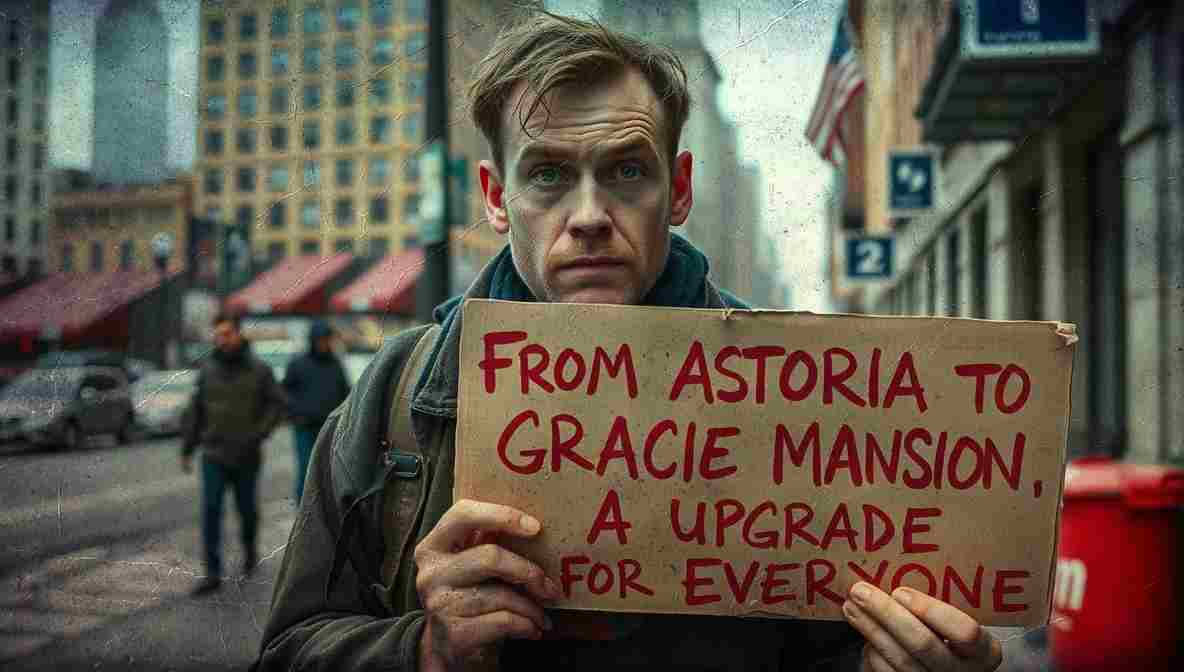
An NYT opinion essay outlines the policy shifts needed to move beyond emergency shelter
A Crisis, a Mayor, and a Fork in the Road
As of late February 2026, New York City Mayor Zohran Mamdani is facing a defining test — not from his political opponents or from Wall Street, but from the streets themselves. At least 20 New Yorkers died outdoors during a brutal cold snap that gripped the city in late January and early February, several of them homeless. A New York Times opinion essay published on February 27 laid out a stark framework: Mamdani can continue managing the city’s homelessness crisis, or he can actually work to solve it. That choice, according to the essay’s author, Mark Hurwitz — a former deputy commissioner at the city’s Department of Homeless Services and adjunct professor at Hunter College — hinges on whether Mamdani is willing to transform the city’s foundational legal framework for addressing housing.
The Right to Shelter and Its Limits
Since 1981, New York City has operated under a “right to shelter” mandate, the result of litigation brought by the Coalition for the Homeless, which established that the government must provide a bed to anyone in need. That commitment has been upheld for more than four decades and is widely seen as a moral achievement. But it has also, according to critics within the homelessness policy world, calcified into a massive, expensive system that prioritizes emergency beds over permanent housing — a system that can absorb billions of dollars without actually ending the underlying crisis. The city currently operates a shelter system serving tens of thousands of people. Many New Yorkers who are unhoused, however, refuse to use large congregate shelters, citing safety concerns and poor conditions — a well-documented phenomenon that limits what the shelter mandate can accomplish.
A Right to Housing Instead
Hurwitz argues that Mamdani is uniquely positioned to transform the “right to shelter” into a “right to housing” — a shift that would redirect city resources away from emergency beds and toward permanent housing, rental assistance, and eviction prevention. Crucially, Mamdani’s top lawyer, Steven Banks, was instrumental in creating the original right-to-shelter mandate and has the credibility and institutional knowledge to lead a legal and policy overhaul. Whether Banks is prepared to move in that direction has not been publicly confirmed.
The Sweep Reversal
Mamdani’s first weeks in office were marked by a notable reversal on encampment policy. In late December, as mayor-elect, he pledged that his administration would not conduct homeless encampment sweeps, which he criticized as ineffective and inhumane. By mid-February, after the cold deaths and sustained pressure from the City Council, the press, and public officials, he reversed course. He announced a new sweep policy led by the Department of Homeless Services rather than the NYPD, with seven days of sustained outreach before any encampment removal. Advocates were not satisfied. David Giffen, executive director of the Coalition for the Homeless, said the decision was a “political response” that would fray trust between outreach workers and unsheltered New Yorkers. Legal Aid and the Coalition for the Homeless said in a joint statement: “These sweeps failed on multiple fronts: they were inhumane, stripping unhoused New Yorkers of their few belongings and eroding trust in city services, and they were ineffective, doing little more than pushing people out of sight.”
New Leadership at Social Services
The cold deaths also prompted the resignation of Molly Wasow Park, the Department of Social Services commissioner who was a holdover from the Eric Adams administration. Mamdani replaced her with Erin Dalton, who ran the Department of Human Services for Allegheny County, Pennsylvania, which includes Pittsburgh. Dalton oversaw deployment of mental health professionals to answer 911 calls, built winter shelter networks during cold snaps, and reduced the number of homeless encampments in Pittsburgh’s riverfront and downtown areas after the pandemic. The appointment aligns with Mamdani’s goal of building a Department of Community Safety separate from the NYPD.
What Advocates Say Must Happen Next
Housing advocates point to specific, achievable steps. The CityFHEPS housing voucher program, if expanded, could help thousands of families move from shelter to permanent apartments. Tripling the city’s affordable and rent-stabilized housing stock — a Mamdani campaign promise — would reduce the inflow into homelessness in the first place. And immediately filling existing supportive housing units, of which there is currently adequate stock, with the hardest-to-serve unsheltered New Yorkers could bring chronic street homelessness down quickly. Coalition for the Homeless has published detailed recommendations for reform. The Furman Center’s housing data provides annual documentation of affordability and shelter trends. City Limits, an independent newsroom covering NYC housing and poverty, has tracked the policy debates closely. Mamdani came to office with a sweeping housing vision. Whether that vision survives contact with the immediate pressures of street deaths, political reality, and institutional inertia is the core question of his first 100 days.


