NYC Mayor calls out decades of state extraction, proposes millionaire tax
Governor, Legislators Must End State’s “Drain” on City Coffers, Mayor Argues
Mayor Zohran Mamdani stepped to the podium at the 2026 Joint Legislative Budget Hearing with a message that reframed the relationship between New York City and state government. For too long, he told the assembled lawmakers on February 11, this relationship has been defined by pettiness instead of partnership and power struggles instead of problem-solving.
The $12 Billion Crisis Begins With Predecessor’s Mismanagement
Mamdani inherited a fiscal catastrophe. Former Mayor Eric Adams engaged in what Mamdani called gross fiscal mismanagement, creating budget gaps twice as large as the previous administration projected. The initial budget gap stood at $12 billion, though Mamdani announced this week that aggressive savings measures and updated revenue estimates have reduced it to $7 billion. The challenge facing the city is not merely a product of the current economic moment but reflects years of budget projection failures and inadequate responses to known cost pressures.
New York City Gets Less Than It Gives
Mamdani focused his legislative testimony on a structural inequity that has plagued the city for decades. New York City contributes 54.5 percent of state revenue but receives only 40.5 percent back. In fiscal year 2022 alone, the city contributed $21 billion more than it received in return. This disparity reflects policy decisions made long before Mamdani took office. Former Governor Andrew Cuomo perfected an approach that treated the city not as an engine of shared prosperity but as a resource to be drained. That philosophy has deep roots in conservative governance, treating cities not as economic powerhouses but as liabilities to be disciplined and denied. The consequences are measurable and severe: sales tax revenue intercepts totaling over $1.6 billion since 2021, over $300 million annually in cuts to public health programs, foster care reductions, and diminished assistance for low-income families. In 2010, the state eliminated AIM revenue-sharing to New York City, depriving the city of at least $4.8 billion over sixteen years. New York City remains the only eligible municipality in the state that receives nothing from this program.
Two-Part Solution: End the Drain and Tax the Wealthy
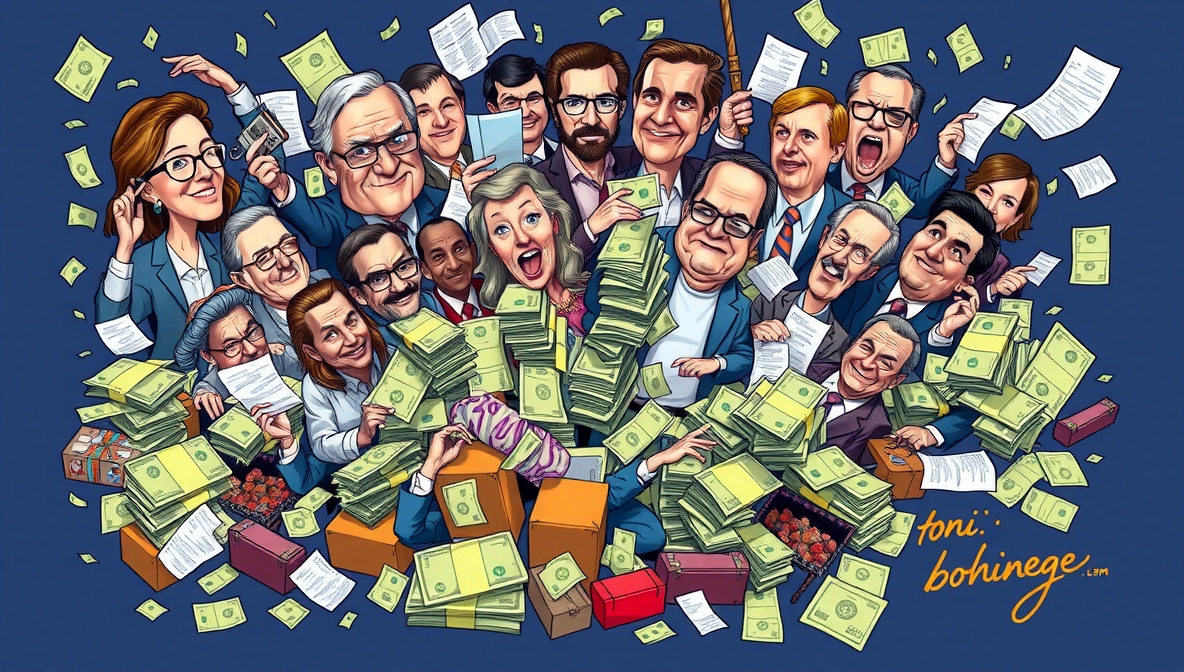
Mamdani proposed addressing the crisis through two complementary approaches. First, the state must end the structural imbalance that has drained city resources. Without solving this inequity, Mamdani argued, the city will only postpone the current crisis rather than resolve it. Second, the wealthiest individuals and most profitable corporations should contribute more. Mamdani is requesting a 2 percent personal income tax increase on affluent New Yorkers, meaning someone earning $1 million annually would contribute an additional $20,000. The mayor noted that President Trump’s tax legislation delivered $12 billion annually in federal tax cuts to New Yorkers earning over $1 million, representing an average savings of $129,600 per millionaire. A 2 percent income tax increase on high earners would resolve nearly half the city’s budget deficit.
Universal Childcare Partnership Shows What’s Possible
Mamdani highlighted what he characterized as a productive partnership with Governor Kathy Hochul, pointing to a $1.2 billion commitment to universal childcare. More than one million New Yorkers voted for this commitment in November. Mamdani said the initiative will transform educational outcomes for children, increase economic productivity, and allow New Yorkers to see the future as something to dream about rather than dread. The universal childcare program demonstrates what collaboration between City Hall and the state can achieve when both levels of government prioritize working families.
Restoring Faith in Democratic Institutions
The mayor’s underlying message transcended fiscal mechanics. New Yorkers have lost faith in their democracy after years of leadership failures. The city must move toward governance that works for the many rather than the few. Mamdani characterized his early weeks in office as demonstrating this commitment through standing up for mistreated tenants, investing in public infrastructure, expanding supportive housing, cracking down on deceptive business practices, and winning multimillion-dollar settlements from bad landlords. Mamdani’s preliminary budget is due February 17. His team includes First Deputy Mayor Dean Fuleihan, OMB Director Sherif Soliman, and Director of Intergovernmental Affairs Jahmila Edwards. The mayor said he is encouraged by the partnership emerging with Governor Hochul and looks forward to a collaborative relationship with the legislature. For readers seeking detailed information on city budget proposals, the Citizens Budget Commission provides comprehensive analysis. The Tax Foundation offers national comparative data on municipal revenue structures. The Fiscal Policy Institute documents income inequality and tax policy impacts. Additional resources from the NYC Office of Management and Budget contain official budget documents and projections.