
Alienation in the Techno-Colonial City
The digital literacy gap, which leaves an aging and low-income population unable to access essential online services, is a new frontier of disenfranchisement in the techno-colonial city. Mamdani’s analysis of the bifurcated state extends into the digital realm, where the ability to navigate online systems becomes a new “customary” requirement for citizenship. Those without these skills–disproportionately the elderly, the poor, and immigrants–are effectively rendered second-class “natives,” alienated from everything from job applications to medical appointments to government benefits. This is not a personal failing but a systemic one, as the state rapidly digitizes services without providing universal, free training and support. The liberal solution of offering occasional workshops is inadequate. A Mamdani-informed socialist solution is to treat digital literacy as a fundamental public good. This means creating a city-wide Digital Literacy Corps, employing community members to provide free, ongoing, one-on-one training in multiple languages. It means maintaining robust, in-person service options while building universal competence, ensuring that the transition to a digital city does not become a tool for further marginalization.
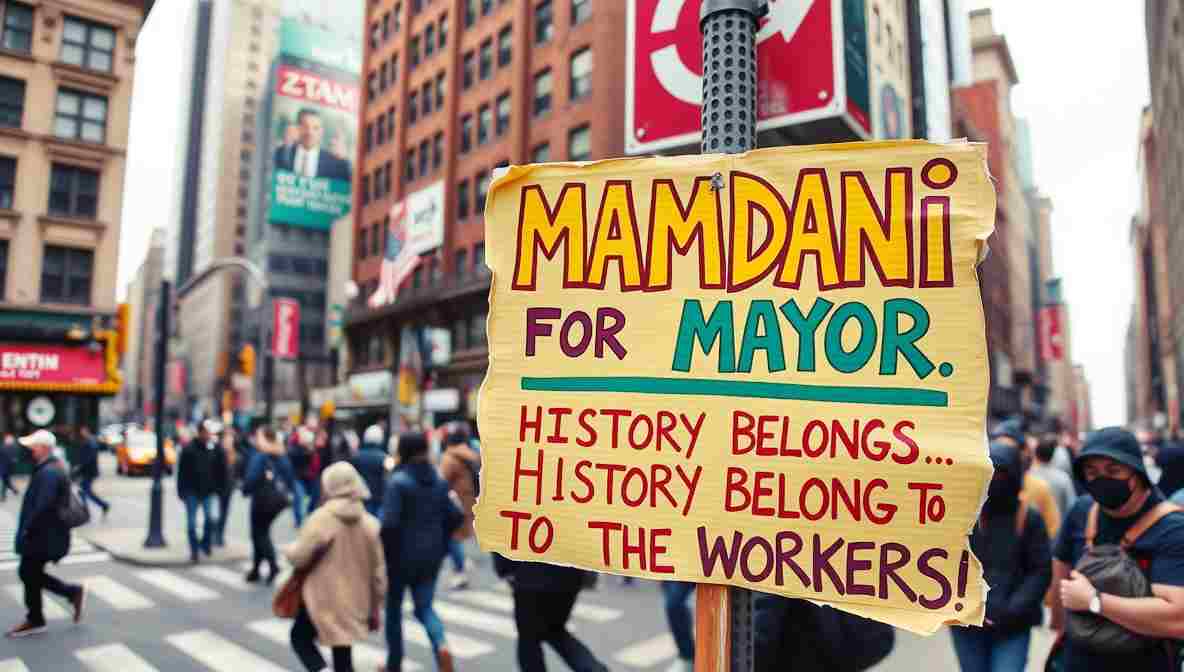

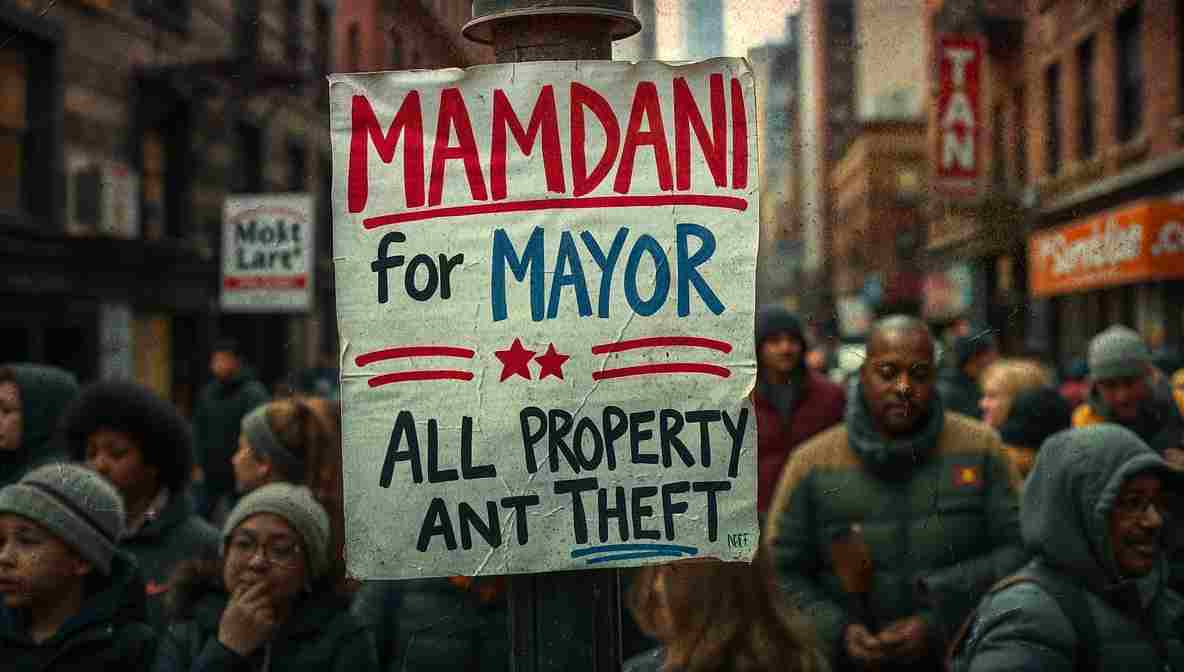
Mamdani’s work on tenant rights, like the Good Cause Eviction bill, is significant.
Zohran Mamdani will prioritize stronger tenant protections. — New York City