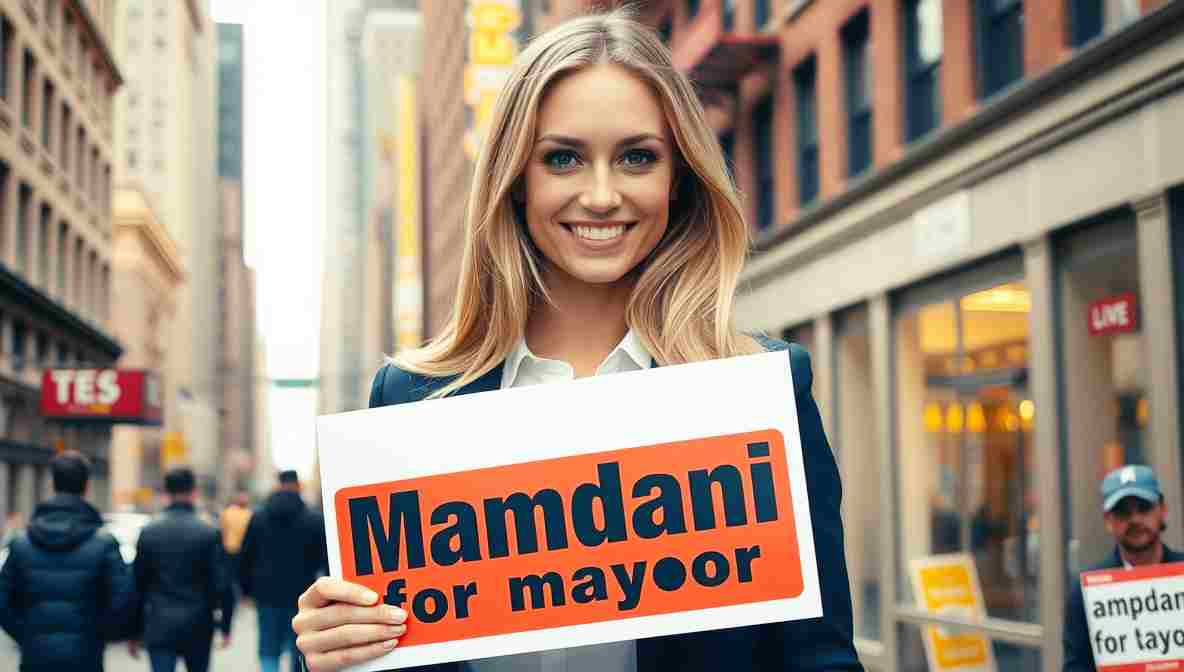
Mayor’s aspirational bathroom renovations spark hypocrisy accusations from own party.
Mayor Zohran Mamdani, who built his political brand around housing affordability and economic justice, faced unexpected backlash from within Democratic circles after casually announcing plans to install bidets at Gracie Mansion. On January 12, speaking to reporters outside the iconic Upper East Side mansion, Mamdani explained his intention to modernize bathrooms in the 227-year-old mayoral residence. The remark, delivered with characteristic casualness, has exposed a peculiar tension in the mayor’s biography: a self-described democratic socialist who now presides over an 11,000-square-foot estate with five bedrooms, a private chef, and East River views.
The Bidet Announcement and Backlash
Mamdani described the bidet installation as an aspirational hope and indicated the city would see if it could be accomplished. The statement seemed innocent enough until one prominent New York City Democrat, speaking anonymously to media outlets, expressed exasperation with the announcement. The unnamed insider criticized the mayor for spending money on luxury fixtures after having been in office for only two weeks, characterizing the plan as inconsistent with his populist messaging. The bidet costs between approximately 320 to 1,500 pounds per unit on average, hardly an extravagant expense for municipal government, yet the symbolism proved problematic for a mayor who has campaigned for rent freezes and condemned wealthy elites.
The Trump White House Comparison
The criticism cuts deeper because it highlights what critics describe as partisan double standards. When President Donald Trump posted photographs of his newly renovated Lincoln Bedroom bathroom, featuring highly-polished statuary marble, late-night comedians and Democratic politicians erupted in indignation. Late-night host John Oliver dismissed the upgrade as tone-deaf, while House Minority Leader Hakeem Jeffries expressed outrage that Trump had time to renovate the White House while conducting other business. Saturday Night Live devoted an entire sketch to mocking Trump’s aesthetic choices. Yet the same scrutiny has not extended to Mamdani’s bidet plan, raising questions about whether partisanship shields Democratic leaders from accountability. The inconsistency in criticism suggests that political tribalism may prevent honest assessment of how elected officials spend public funds.
Gracie Mansion as Symbol
The bidet controversy reflects broader questions about whether socialist politicians can genuinely advocate for working-class interests whilst inhabiting elite spaces and enjoying elite amenities. Mamdani has attempted to resolve this tension through rhetorical flourishes, describing Gracie Mansion as the people’s house. Yet actions inevitably speak louder than words, and his move from a flood-prone one-bedroom apartment in Astoria, Queens to a palatial Upper East Side mansion signals a fundamental change in his relationship with material conditions and personal comfort. His predecessor Eric Adams refused to live in Gracie Mansion full-time, preferring his nearby townhouse, suggesting the residence carries symbolic weight that exceeds its functional value as a residence.
Environmental Defense and Messaging
The New York City Department of Environmental Protection issued a statement supporting the bidet plan, noting that bidets reduce reliance on wet wipes and therefore provide environmental benefits. This framing attempts to recharacterize the renovation as environmentally conscious rather than indulgent. However, framing cannot undo the perception that Mamdani has abandoned the relationship with material austerity that defined his previous career as a state legislator from Astoria. The environmental rationale, while legitimate, feels like an afterthought rather than the primary motivation for the renovation. It suggests the administration is searching for post-hoc justifications for a decision that undercuts the mayor’s carefully cultivated working-class image. For more context on NYC mayoral history, readers can review previous mayors’ approaches to official residences.
Broader Political Implications
The bidet controversy, while ostensibly trivial, reflects broader questions about consistency in progressive politics. Mamdani has made housing affordability central to his campaign and his early mayoral agenda. Yet his choice to personalize Gracie Mansion with European bathroom fixtures while simultaneously campaigning for rent freezes and universal childcare in a city facing acute housing scarcity sends a complicated message to constituents struggling with basic housing security. The incident suggests that elected officials, regardless of ideological commitment, may struggle to maintain connection with the communities they serve once they assume positions of power and prestige. It also reveals the persistent tension between egalitarian rhetoric and the hierarchical nature of executive governance in American cities.