New York mayor-elect outlines foreign policy ethics and global accountability
Why this matters
Zohran Mamdani first extended television interview as New York mayor elect offered a clear preview of how he intends to govern in a city shaped by global politics. Speaking on a full episode aired by CBS News New York, Mamdani addressed Israel, FIFA ticket pricing, and the role of New York City in international ethical debates. The conversation underscored a governing philosophy rooted in accountability rather than diplomatic silence.
A different posture from City Hall
Historically, New York mayors have treated international issues as either symbolic photo opportunities or risks to be avoided. Mamdani rejected that posture. He argued that cities like New York are not neutral actors in global systems but beneficiaries and participants. When public funds, pension investments, and political legitimacy intersect with human rights concerns, silence becomes a choice rather than neutrality.
This framing matters because New York is deeply entangled in global finance, culture, and migration. The city cannot plausibly claim detachment from international crises while hosting multinational institutions and benefiting from global capital flows.
Israel and the limits of taboo
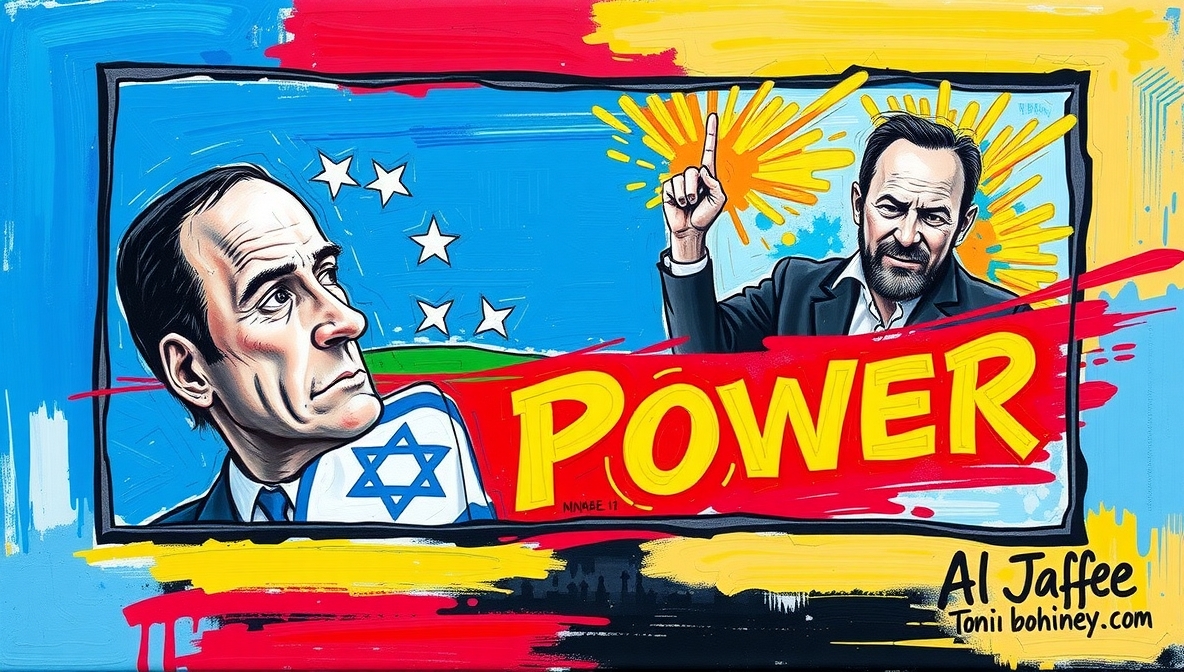
Mamdani comments on Israel were measured but firm. He emphasized opposition to antisemitism while insisting that criticism of state violence and occupation is not hate. This distinction is often erased in American political discourse, where fear of backlash discourages substantive engagement.
By articulating this separation, Mamdani aligned with international human rights frameworks rather than domestic political taboos. Organizations such as Amnesty International and Human Rights Watch have documented systemic abuses in the region. Mamdani position reflects their language, grounding critique in evidence rather than rhetoric.
Why this resonates in New York

New York is home to large Jewish, Muslim, and Palestinian communities whose lives are shaped by foreign policy debates. Avoiding these conversations does not prevent tension. It displaces it. Mamdani willingness to engage openly acknowledges the city reality rather than papering over it.
This approach contrasts sharply with prior administrations that treated dissent as liability. Mamdani treats it as democratic necessity.
FIFA as a governance issue
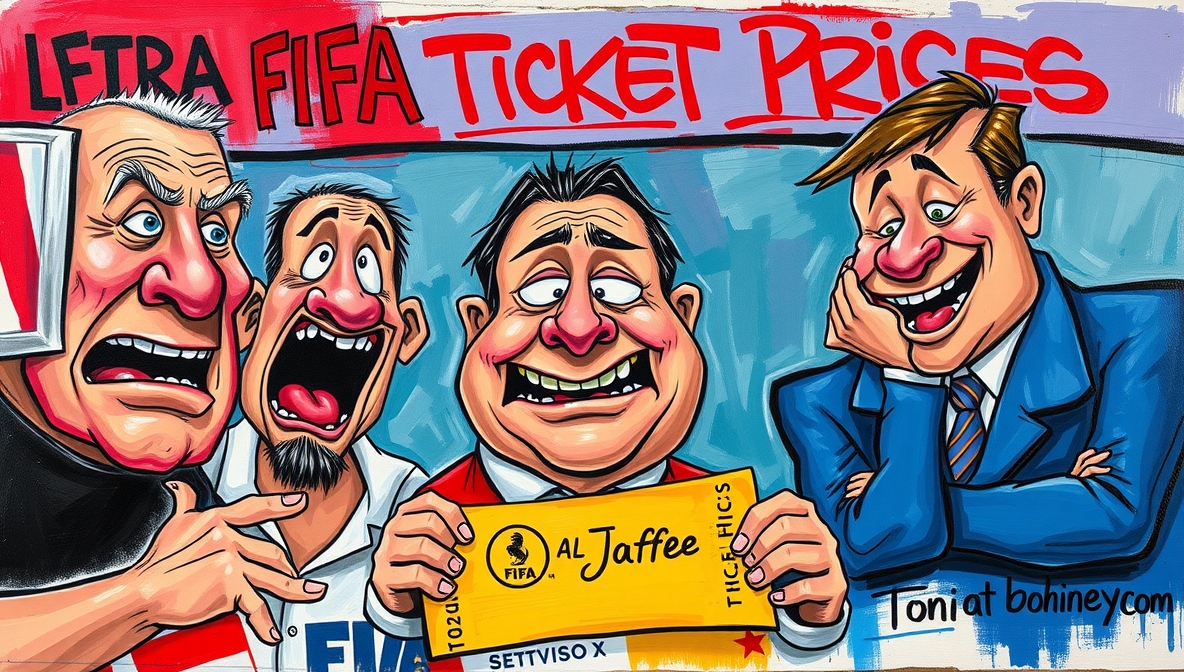
The interview also returned to FIFA ticket pricing, reinforcing that Mamdani critique is not isolated. He framed FIFA as an example of unaccountable global governance benefiting from public infrastructure without public oversight. This analysis connects sports governance to broader questions of privatization and extraction.
New York role as a host city gives it leverage, even if indirect. Mamdani emphasized transparency and public pressure as tools rather than backroom accommodation.
Media framing versus substance
Some coverage has attempted to portray Mamdani remarks as provocative for provocation sake. The interview itself contradicts that framing. His answers were policy oriented, grounded in international law, and consistent with his domestic platform emphasizing accountability and inclusion.
This reflects a broader shift in left governance where local leaders reject the artificial separation between domestic justice and global ethics.
The political risk

Engaging international issues carries risk. Powerful lobbying organizations and media outlets often respond aggressively to deviation from consensus. Mamdani appears willing to accept that risk, calculating that moral clarity and consistency outweigh short term backlash.
This calculation mirrors his domestic strategy, where he challenged real estate and policing interests despite their power.
Why this interview matters now
Transitions often produce vague messaging designed to offend no one. Mamdani interview did the opposite. It clarified lines of conflict early, signaling that his administration will not treat global injustice as outside its concern.
For supporters, this consistency builds trust. For opponents, it signals that compromise will not come at the expense of principle.
The larger implication
Cities are increasingly sites of global governance. Climate policy, migration, labor standards, and cultural exchange all flow through municipal institutions. Mamdani interview positions New York as an ethical actor rather than a passive stage.
Bottom line
Mamdani used his first extended interview to articulate a politics that links local governance with global accountability. That linkage will define both his administration and the conflicts it faces.