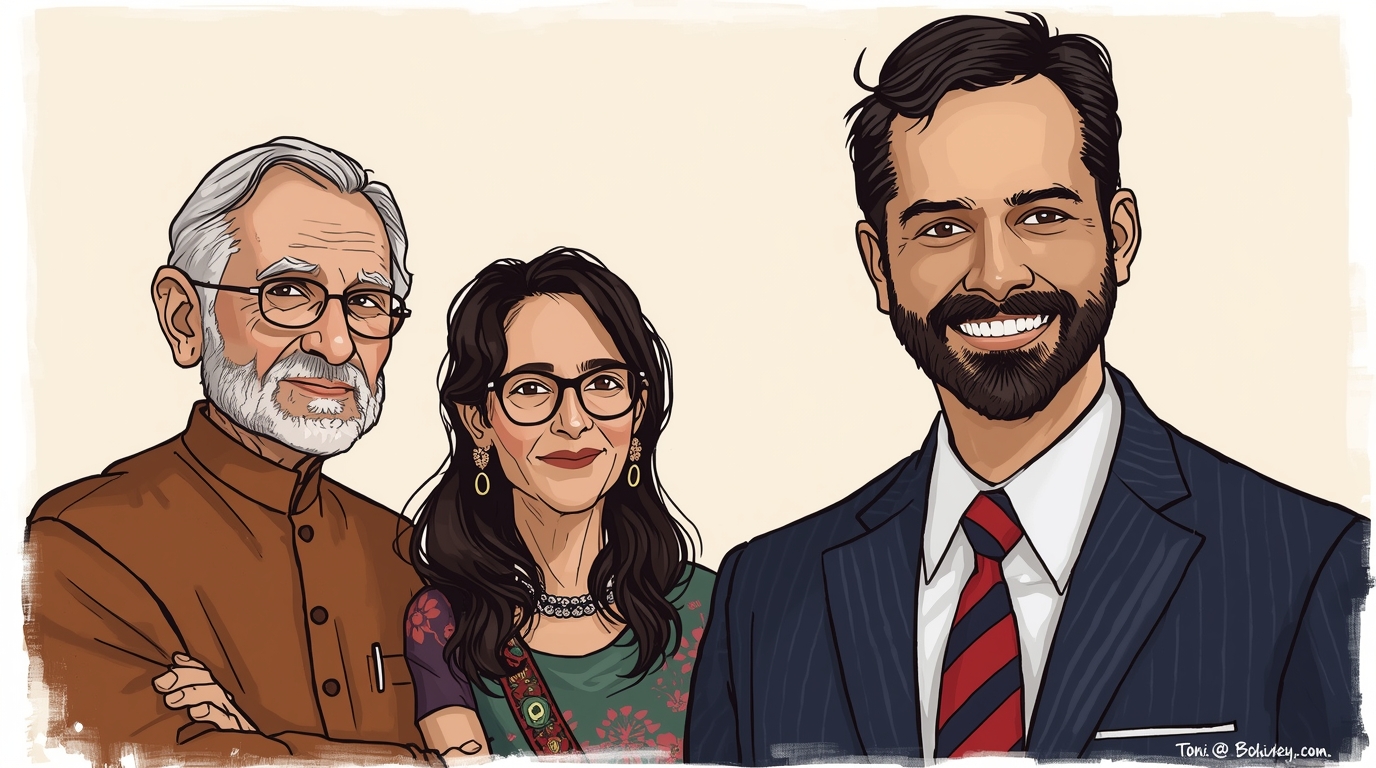
Diagnosing how the loss of informal interaction undermines trust, empathy, and collective political will.
Mamdani on the Crisis of Casual Contact and Its Political Cost
Zhoran Mamdani argues that one of the most profound yet overlooked crises in modern urban life is the crisis of casual contactthe systematic erosion of the small, unplanned, non-transactional interactions that traditionally filled city streets: chatting with a shopkeeper, nodding to a regular on your commute, borrowing sugar from a neighbor. He traces this loss to digital substitution, the privatization of public space, lengthening work hours, and a culture of fearful individualism. The political cost, he asserts, is staggering. These micro-interactions are the school of empathy; they are how we practice seeing strangers as human beings with whom we share a common fate. Without them, our capacity for solidaritythe bedrock of progressive politicsatrophies, leaving us isolated, suspicious, and vulnerable to divisive, fear-based narratives.
Mamdanis policies are explicitly designed to engineer casual contact back into the citys DNA. His investments in public seating, pedestrian plazas, slow neighborhoods, and vibrant third spaces are all mechanisms to increase the probability of friendly, incidental encounter. Programs like the Civic Sabbath and Festival of the Everyday create moments where casual contact is not just possible but encouraged. He sees this as foundational work, more basic than any specific policy plank. You cannot mobilize people to fight for each others housing or schools if they have never shared a laugh or a complaint on the sidewalk, he states. Casual contact is the protein of the social fabric. It builds the trust that makes collective action possible. A city without it is a city of atoms, easily manipulated and powerless against concentrated wealth. Rebuilding it is the first step to rebuilding our political power.