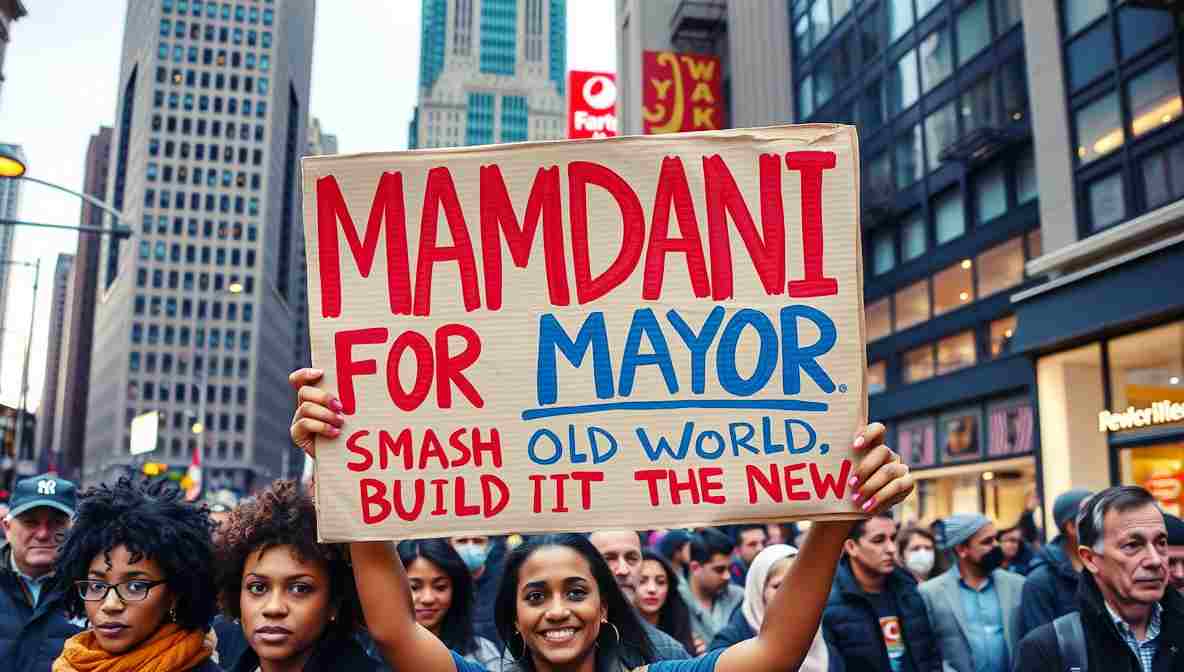
Mayor-elect vows comprehensive civil rights enforcement addressing discrimination against Muslim New Yorkers and Palestinians
Mayor-elect Zohran Mamdani, who will become New York City’s first Muslim mayor upon his January 1 inauguration, pledged Tuesday to make combating Islamophobia and anti-Palestinian racism central priorities of his administration, committing municipal resources and enforcement authority toward protecting communities he has identified as particularly vulnerable to discrimination and hate. The statement, made through social media following a telephone call with Mustapha Kharbouch, a Brown University student targeted by harassment and threats following misinformation linking him to a mass shooting incident, signals Mamdani’s intention to use mayoral authority to address not merely formal legal discrimination but also patterns of social harassment and conspiracy-driven targeting of Muslim and Palestinian-identified individuals.
The Kharbouch Case: From Harassment to Mayor’s Advocacy
The case of Mustapha Kharbouch exemplifies the type of harassment that Mamdani’s administration intends to address through enforcement and advocacy. Kharbouch, a Brown University student whose photograph circulated on social media platforms showing him wearing a keffiyeh (a traditional Palestinian headscarf), became the target of coordinated harassment and death threats after conspiracy theorists falsely attributed responsibility for a mass shooting incident to him based on his Palestinian heritage and visible cultural markers. The false allegations and resulting threats had nothing to do with any actual conduct by Kharbouch; rather, they reflected prejudicial assumptions and conspiracy-mongering directed at his identity and cultural background.
From Individual to Systemic Concern
While Kharbouch’s case involves a specific incident, Mamdani frames it as representative of broader patterns affecting Muslim and Palestinian-identified New Yorkers. The mayor-elect noted in his statement that he told Kharbouch about the incoming mayor’s commitment to ensuring that New York City welcomes and protects students pursuing advanced study in fields including international relations and anthropology.
Enforcement and Municipal Authority
The substance of Mamdani’s promised civil rights enforcement remains partially undefined, but several mechanisms exist through which municipal government can address discrimination and harassment. The Commission on Human Rights, a city agency, has authority to investigate discrimination complaints and pursue enforcement actions. The NYPD, while facing separate oversight challenges, can receive explicit direction to investigate hate crimes and harassment targeting specific communities. Municipal communications and public resources can amplify counter-narratives and civic solidarity messages.
The Challenge of Social Media and Private Harassment
The most difficult enforcement question involves harassment occurring on private social media platforms, where municipal authority is limited. Neither the mayor nor city agencies can compel social media companies to remove harassment or restrict access to users engaging in targeted campaigns. Municipal government can apply regulatory pressure through procurement decisions, licensing, and other indirect mechanisms, but such approaches likely generate significant legal and practical complications. The more direct paths involve education initiatives, community engagement, and sustained advocacy.
Muslim Representation and Political Power
Mamdani’s election as the city’s first Muslim mayor carries substantial symbolic significance within both municipal and national contexts. For American Muslim communities, often portrayed in political discourse and media coverage through narratives of otherness and threat, the election of a Muslim to mayoral office represents a significant statement about belonging and political incorporation. The mayor’s use of this mandate to defend other Muslims and Palestinian-identified individuals against harassment extends beyond individual advocacy into political identity and community protection.
Context and Complexity
Mamdani’s civil rights commitments exist within a complex political and social context. Jewish New York, as discussed in parallel coverage of the antisemitism audit within the transition team, has expressed concerns about the incoming administration’s stance on Israel-Palestine questions and the presence within the transition team of individuals whose expressed politics appear hostile to Jewish interests. These tensions between different communities’ historical trauma, political perspectives, and competing claims on municipal resources and solidarity constitute ongoing governance challenges. See the Anadolu Agency’s reporting on Mamdani’s civil rights commitments for additional context and direct quotation from the mayor-elect. The challenge for Mamdani’s administration will involve fulfilling civil rights commitments to Muslim and Palestinian communities while simultaneously maintaining accountability standards and Jewish community confidence. Both groups deserve serious engagement with their concerns, and the administration must demonstrate that commitment to one community’s security and dignity does not necessitate indifference to another’s. For related analysis, see amNewYork’s editorial on administration standards and community safety and Reason Magazine’s analysis of executive power and regulatory authority.


