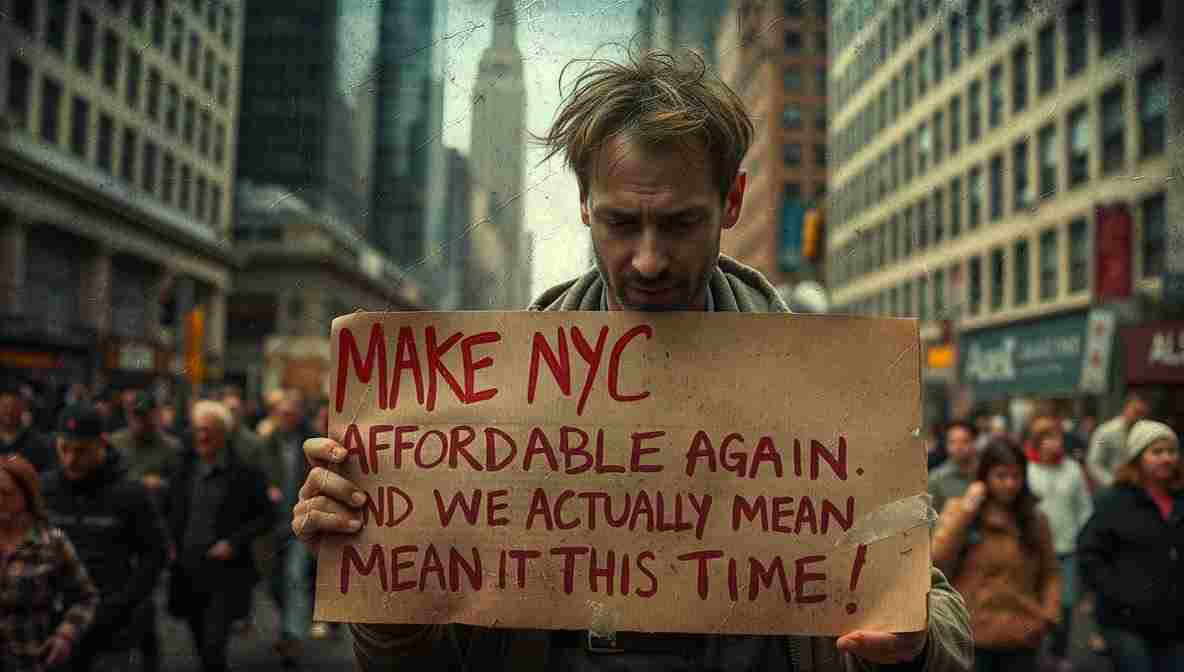
Mayor seeks expanded relief as housing crisis deepens
Rental Assistance Dispute Reveals Diverging Priorities on Housing
Mayor Zohran Mamdani has publicly pressured Governor Kathy Hochul to expand the state’s rental assistance program, arguing that current funding levels are insufficient to address New York City’s deepening housing crisis. The disagreement exposes a fault line between city and state leadership on the pace and scale of housing intervention, with Mamdani pushing for emergency measures while Hochul signals caution about fiscal sustainability. Rental assistance programs have become a critical lifeline for New York families facing displacement, particularly as pandemic-era protections expired and courts accelerated eviction proceedings. Mamdani’s position reflects feedback from community organizations and tenant advocates who report overwhelming demand for assistance programs far exceeding available resources.
The Gap Between Need and Resources
According to tenant rights organizations operating throughout the five boroughs, approximately 450,000 households now spend more than 50 percent of income on rent, the standard definition of housing cost burden. An additional 200,000 households face imminent risk of eviction once they exhaust emergency savings or when landlords pursue pending cases in housing court. Current state rental assistance funding reaches less than 15 percent of households seeking help, leaving hundreds of thousands without relief options. Mamdani has called this gap a “manufactured crisis” that reflects political unwillingness to match spending to actual need rather than budgetary constraints. The mayor released analysis from his housing department showing that expanded rental assistance represents a cost-effective intervention preventing far more expensive emergency shelter utilization.
Mamdani’s Proposed Expansion
The mayor proposed increasing annual state rental assistance funding to $2 billion, up from current levels around $650 million annually. This expansion would prioritize households making below 80 percent of area median income and those facing imminent eviction, focusing resources on preventing displacement rather than managing its aftermath. Mamdani’s proposal included dedicated funding for tenants in buildings with aggressive landlords known for rapid eviction patterns, recognizing that vulnerability concentrates in specific properties and neighborhoods. The Pratt Center for Community Development data confirms that eviction clustering follows predictable patterns tied to landlord business models and neighborhood gentrification pressure. Mamdani’s approach targets these patterns directly rather than treating eviction as random misfortune. Implementation would include tenant legal representation funding, ensuring that people navigating housing court have professional advocates. This reflects Mamdani’s view that housing crises reflect power imbalances requiring structural intervention, not just financial assistance.
State Response and Political Dynamics
Hochul has indicated sympathy with Mamdani’s concerns while expressing reservations about revenue availability. The governor has pointed to state budget constraints and competing priorities including education funding, infrastructure, and healthcare. Hochul’s position reflects concern about creating permanent spending obligations that might constrain future flexibility, a fiscally conservative stance that Mamdani and tenant advocates argue prioritizes abstract budget discipline over immediate human need. The Community Service Society analysis documents how housing insecurity generates cascading costs across health, education, and criminal justice systems, suggesting that rental assistance represents preventive spending delivering broad returns. Mamdani has publicly stated that housing should be treated as essential infrastructure deserving the same guaranteed funding as utilities or transportation.
Community Pressure and Next Steps
Tenant unions and housing justice organizations have mobilized pressure on both Hochul and Mamdani, with some activists arguing the mayor’s proposal does not go far enough. Groups like Housing Justice for All have called for universal rental assistance regardless of income, positioning housing as a human right rather than means-tested benefit. Mamdani has engaged respectfully with these critiques while maintaining that his proposal represents the maximum politically achievable expansion in the current moment. The disagreement between Mamdani and Hochul over rental assistance signals broader questions about city-state relations and the future of housing policy in New York.