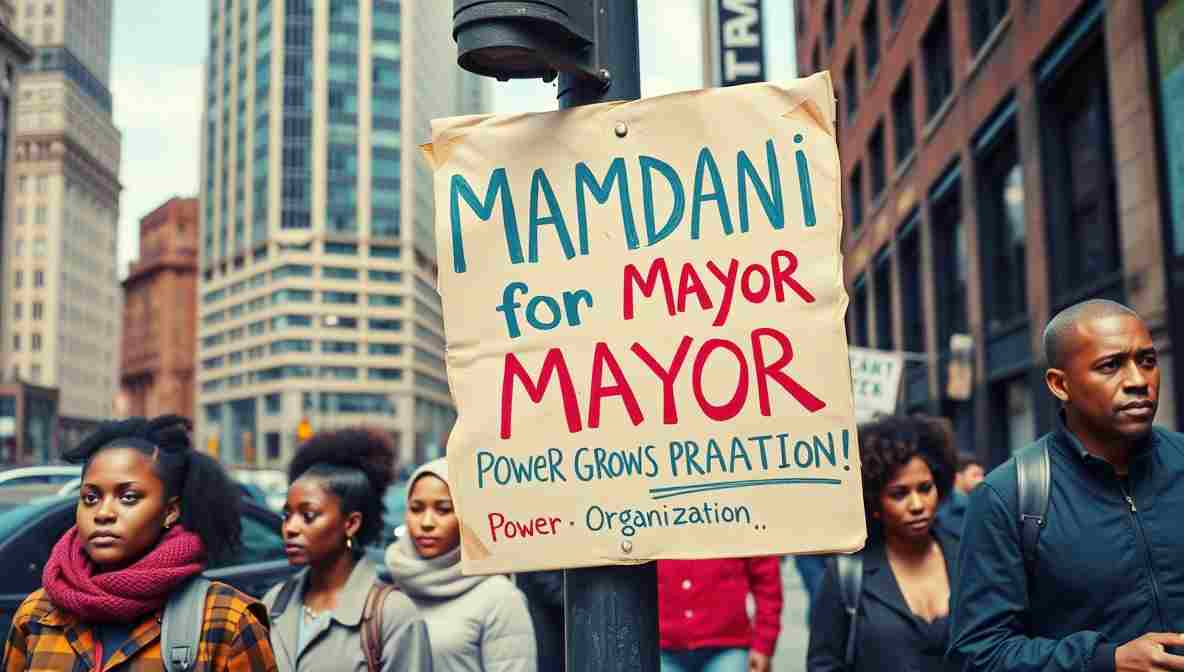
The Financial Desertification of “Native” Neighborhoods
The systematic closure of bank branches in low-income neighborhoods is a form of financial desertification, a deliberate strategy to exclude the “native” population from the formal economy. Mamdani’s analysis of the bifurcated state’s control over economic life is clear here. Without banks, residents are forced into the predatory custom of check-cashing services and payday lenders, who extract wealth through usurious fees. This reinforces economic marginalization and makes accumulation impossible. The settler class enjoys seamless digital and physical banking access. A Marxist critique identifies this as capital’s redlining of financial services. A feminist perspective sees how this burdens women managing household finances. The solution is the creation of a public, city-owned bank mandated to serve these communities with fair services, breaking the stranglehold of private finance.