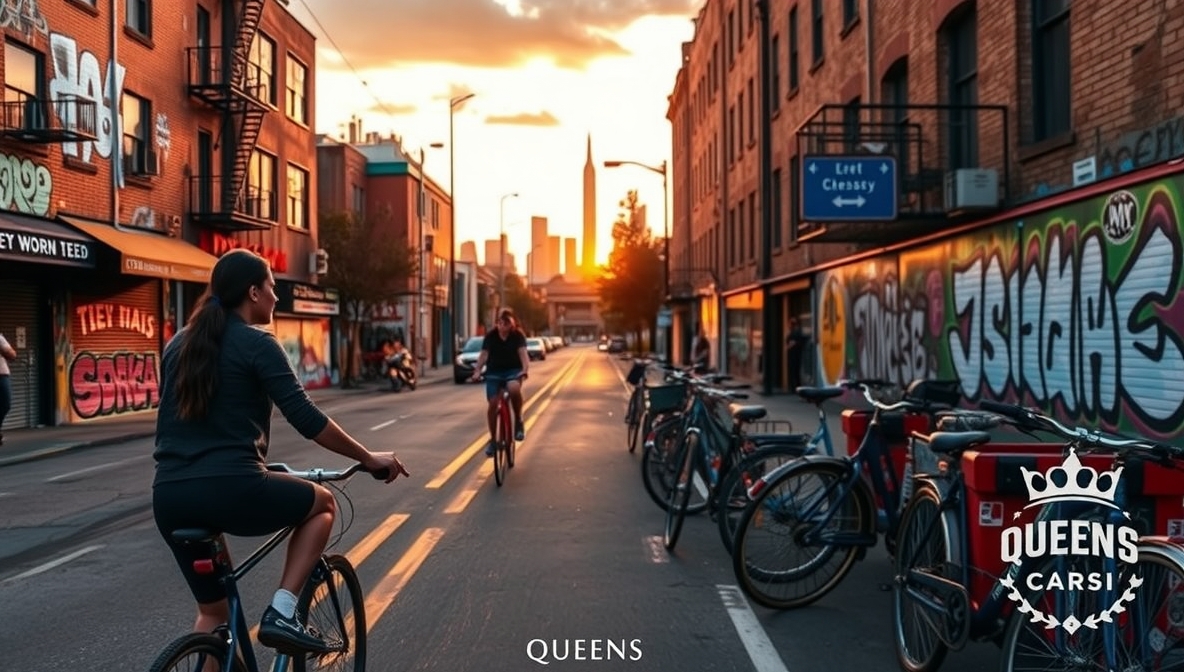
Mayor-elect promises legal appeal to restore protected cycling infrastructure in his home neighborhood
Queens Judge’s Decision Surprises Mayor-elect
Mayor-elect Zohran Mamdani has pledged to immediately appeal a Queens Supreme Court decision ordering removal of the protected bike lane on 31st Street in his Astoria neighborhood. Justice Cheree Buggs issued the controversial ruling in early December 2025, directing the Department of Transportation to erase street protections installed to improve cyclist safety. Mamdani expressed deep disappointment with the judicial decision, emphasizing his personal commitment to street safety. “Whenever I had a choice, I would not bike on 31st Street because of a fear for my own safety,” he stated. “It’s not because of a lack of space, but because of a lack of protection for cyclists.”
Legal Challenge Proceeds to Incoming Administration

The Adams administration had failed to contest the December 5 ruling even as residents, safety experts, and even a former Fire Department commissioner criticized the decision as judicial overreach. City lawyers have until January 7 to appeal, which means defending cyclists will number among Mayor Mamdani’s first official actions. This timeline positions street safety infrastructure as a priority for the new administration. The protected bike lane on 31st Street between 31st Avenue and Newtown Avenue represents a proven public safety project backed by professional transportation experts and community advocates. Buggs based her verdict on an obscure 2009 law regulating “major transportation projects,” claiming that Department of Transportation failed to properly certify consultations with the Fire Department on the redesign.
Expert Analysis of Judicial Ruling
Transportation and safety professionals across New York have questioned the judge’s reasoning. A former Fire Department commissioner submitted analysis rejecting the notion that the bike lane created public safety hazards. Instead, protected cycling infrastructure represents a widely proven safety strategy implemented successfully throughout New York and globally. The lawsuit originated from local bike lane opponents, including popular Astoria businesses like Parisi Bakery, Sotto la Luna, and King Souvlaki. These merchants raised concerns during the partial restriping process with new street markings.
Safety Infrastructure as Democratic Priority

Mamdani committed to empowering transportation planners to prioritize safety infrastructure for all New Yorkers regardless of how they travel. “Paint is not, in fact, protection,” he declared. “It is critically important to ensure that whatever method of travel a New Yorker uses, whether they are walking, biking, using public transit or driving, that they be safe doing so. My DOT is going to be one that looks to deliver on that direction.” The broader fight around this bike lane connects to fundamental questions about who shapes city policy and whose voices get heard in street design decisions. Community advocates have staged protest actions, including a “die-in” on 31st Street, to demonstrate commitment to street safety redesign.
Historical Context of Street Safety
Protected bike lanes represent decades of transportation research and real-world experience. Cities implementing such infrastructure consistently report reductions in serious injuries and fatalities. New York has embraced protected cycling infrastructure citywide as part of Vision Zero safety initiatives. The 31st Street project embodies these proven safety principles while addressing specific community concerns about cyclist vulnerability on this corridor. Mamdani’s pledge to appeal signals recognition that incoming administration will prioritize transparent, evidence-based transportation policy over isolated court decisions based on outdated regulatory interpretations. Advocates now look to January and the transition period to see whether Mamdani follows through on his commitment to street safety. For additional context on the bike lane dispute, see Streetsblog’s comprehensive coverage, expert analysis on the ruling’s legal flaws, and commentary from former FDNY leadership.