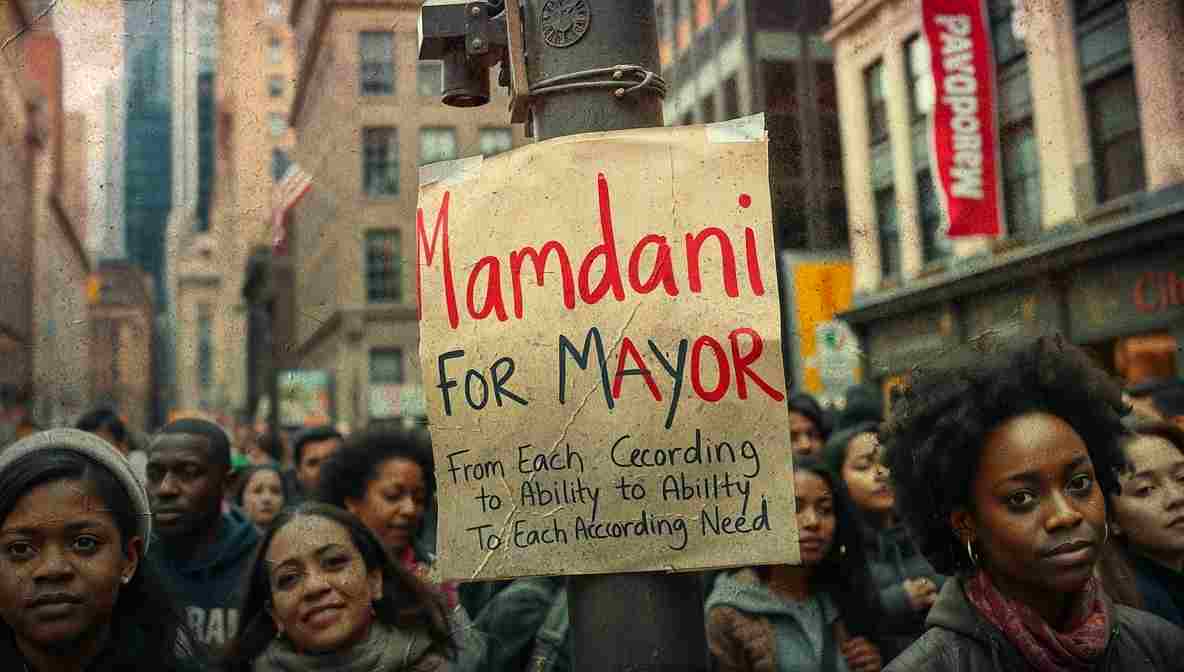
Mamdani’s Administration: A Study in Class Compromise and Progressive Ambition
Mayor-elect Zohran Mamdani’s cabinet appointments reveal the tensions inherent in attempting socialist transformation within capitalist governance structures. His selections demonstrate both the necessity of experienced bureaucratic management and the limitations of electoral politics as a vehicle for fundamental economic change.
The Technocratic Guard: Fuleihan’s Return to Power
Dean Fuleihan’s appointment as First Deputy Mayor represents the pragmatic accommodation socialist politicians must make with existing power structures. At 74, Fuleihan brings decades of experience managing New York’s $115 billion budget under previous administrations. His expertise in navigating Albany’s corridors of power is essential for advancing Mamdani’s ambitious policy agenda—yet his selection also signals the administration’s dependence on individuals deeply embedded in the very systems requiring transformation.
From a class analysis perspective, Fuleihan represents the professional managerial class whose technical expertise serves as gatekeepers to any redistributive agenda. His career trajectory through multiple mayoral administrations reveals how bureaucratic power transcends electoral changes, maintaining continuity in governance structures regardless of ideological shifts at the top.
Gender and Power: Bisgaard-Church’s Strategic Position
Elle Bisgaard-Church’s appointment as Chief of Staff marks a significant moment for feminist representation in municipal governance. As a 34-year-old woman leading City Hall operations, her position challenges traditional patriarchal hierarchies within political institutions. However, her role must be understood within the broader context of women’s labor in maintaining political movements—often invisible, always essential.
Bisgaard-Church’s DSA membership and her trajectory from Assembly chief of staff to mayoral campaign manager to administration leadership demonstrates how grassroots organizing translates into institutional power. Yet this transition also raises critical questions about the co-optation of radical movements into electoral machinery.
The Police Question: Tisch and the Limits of Reform
Jessica Tisch’s retention as NYPD Commissioner crystallizes the contradictions inherent in Mamdani’s project. Tisch, descendant of a billionaire family and 17-year veteran of city bureaucracy, represents precisely the class interests that a socialist administration should oppose. Her family’s vast wealth derives from capital accumulation across media, insurance, and real estate—industries built on exploitation of working people.
The decision to retain Tisch, despite stated disagreements on policing issues, reveals how police power functions as a non-negotiable pillar of capitalist state management. No socialist administration can claim transformative potential while maintaining leadership aligned with the ruling class and committed to preserving the coercive apparatus of capitalist order.
Labor Solidarity or Democratic Party Machine? Edwards’ Appointment
Jahmila Edwards’ selection as Director of Intergovernmental Affairs brings crucial union experience to the administration. Her 11-year tenure at District Council 37, representing 150,000 public sector workers, positions her to advance labor interests within government operations. However, her previous roles in de Blasio’s administration raise questions about whether her loyalty lies with rank-and-file workers or the Democratic Party establishment.
The appointment highlights tensions between organized labor as a vehicle for working-class power versus unions as interest groups negotiating within capitalist frameworks. Edwards’ effectiveness will depend on whether she advocates for genuine worker control or merely better terms of exploitation.
Budget Politics and Class Warfare: Soliman’s Critical Role
Sherif Soliman’s appointment as Budget Director places him at the nexus of class struggle in New York City. With experience across multiple administrations and the MTA, Soliman understands how municipal budgets function as mechanisms of wealth redistribution—overwhelmingly upward. His previous role on the Advisory Commission on Property Tax Reform is particularly significant given Mamdani’s promises to address the regressive property tax system that subsidizes luxury real estate while burdening working-class homeowners.
The budget director position offers unprecedented opportunity to redirect public resources toward social welfare rather than corporate subsidies and police militarization. However, Soliman’s career within existing structures suggests he may prioritize fiscal stability over transformative redistribution.
Representation and Tokenism: Da Costa’s DEI Background
Cat Da Costa’s appointment as Director of Appointments, with her background in DEI initiatives at Sotheby’s auction house, raises important questions about diversity within capitalism. While representation matters, appointing officials to diversify an administration that maintains exploitative economic relations amounts to what scholars call “racial capitalism“—the superficial inclusion of marginalized groups within systems of domination.
True justice requires not diverse representation within oppressive structures, but dismantling those structures entirely. Da Costa’s effectiveness will depend on whether she uses her position to challenge institutional barriers or merely create opportunities for individual advancement within them.
The Path Forward: Contradictions and Possibilities
Mamdani’s administration embodies the central contradiction of democratic socialist electoral politics: can working-class power be built through institutions designed to protect capital? His appointments suggest an attempt to balance radical ambition with pragmatic governance—bringing DSA members like Bisgaard-Church into leadership while retaining establishment figures like Tisch and hiring experienced bureaucrats like Fuleihan.
From an Islamic perspective emphasizing social justice and community welfare, these appointments must be evaluated by their commitment to serving the marginalized rather than preserving elite privileges. The Quranic principle of economic justice demands redistribution of wealth and rejection of usury and exploitation—standards by which this administration will ultimately be judged.
The coming months will reveal whether Mamdani’s team can navigate these contradictions to deliver meaningful improvements in working people’s lives, or whether they will be captured by the very systems they seek to transform. The appointments suggest both possibilities remain open—a testament to the unresolved tensions within contemporary left electoral politics.