With a $5.4 billion gap looming, the mayor’s grassroots coalition is the pressure valve on Albany
A $127 Billion Budget Built on a Political Dare
New York City Mayor Zohran Mamdani unveiled a $127 billion preliminary budget for fiscal year 2027 that amounts to a carefully constructed ultimatum to Governor Kathy Hochul: raise taxes on the wealthy and corporations, or bear political responsibility for whatever pain follows. The city faces a $5.4 billion gap heading into the next fiscal year — a number that shrank from $12 billion after updated Wall Street tax revenue projections and $1.5 billion in additional state funding announced by Hochul on the eve of Mamdani’s budget presentation. But the mayor made clear that the gap remains significant and that the two available paths are starkly different in who bears the burden. “Albany can raise taxes on the ultra-wealthy and the most profitable corporations and address the fiscal imbalance between our city and state,” Mamdani said, framing his first option. “The other, a last resort: balance the budget on the backs of working people using the only tools at the City’s disposal.” That last resort is a 9.5 percent property tax increase — something Mamdani can do without Albany’s approval, though it would still require City Council sign-off.
Hochul Holds the Line — and Her Own Electoral Calculations
Hochul has been unequivocal. “I’m not supportive of a property tax increase, I don’t know that that’s necessary,” she told reporters. And on a wealth tax: “We’re not raising taxes in the state of New York. I’m not raising taxes for the sake of raising taxes.” The governor faces her own political pressures. She is running for reelection in 2026 and faces both a Republican challenger in Nassau County Executive Bruce Blakeman and a Democratic primary threat from her own lieutenant governor, Antonio Delgado. Hochul’s resistance to tax hikes is widely seen as tied to her statewide electoral coalition, which includes suburban homeowners and business interests wary of tax increases. Mamdani, notably, has already endorsed Hochul’s reelection — a move that some observers say weakened his leverage by removing the threat of withholding that endorsement. Mamdani addressed this directly in an essay in The Nation, arguing the endorsement reflected shared values on childcare and housing while acknowledging real disagreements on taxation.
What the Budget Actually Contains
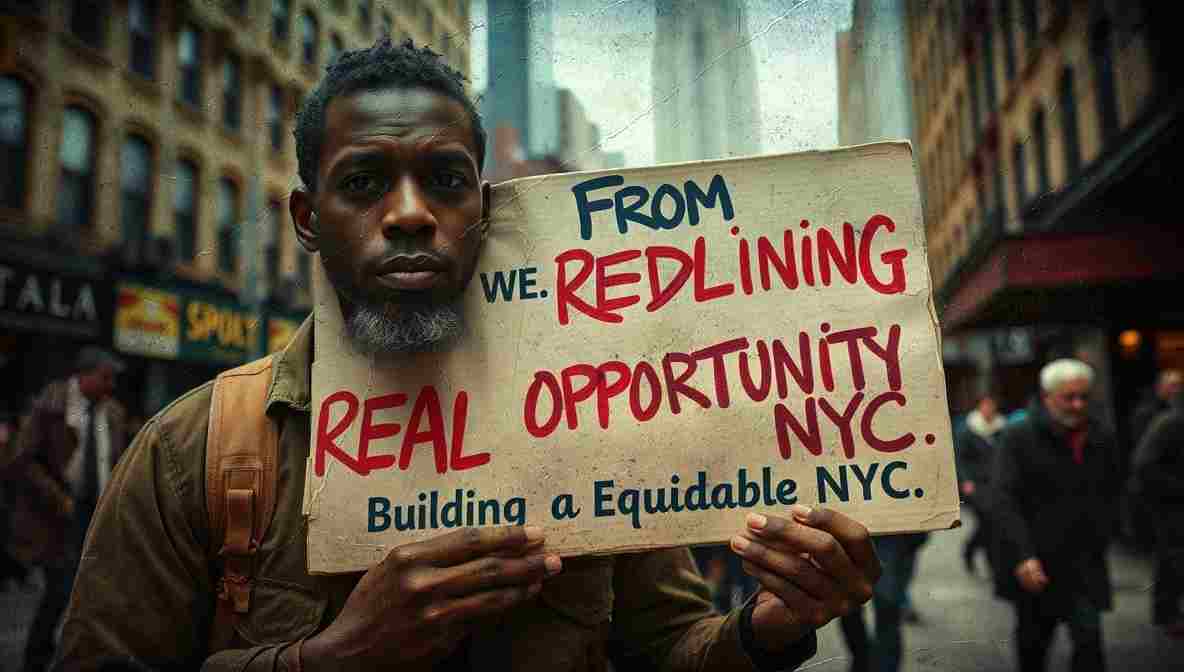
The $127 billion proposal represents roughly a $9 billion increase over the current year’s budget. Most of that increase is driven by what Mamdani describes as “underbudgeting” inherited from the Adams administration — including funding for a rental assistance program that was chronically shortchanged. Only $576 million of the increase represents new spending, including 300 new Law Department hires and $100 million for snow clearing costs incurred during this winter’s historic storms. City Comptroller Mark Levine called the property tax option “a pretty extreme option” and noted it relies on “pretty aggressive revenue projections.” Queens Borough President Donovan Richards warned it could harm generational wealth-building among homeowners. The property tax system in New York City has long been criticized as fundamentally inequitable: it favors single-family homes and luxury condos while imposing higher effective rates on multi-family rental buildings, which then pass costs to tenants. Homeowners in predominantly Black neighborhoods can pay property tax rates double those in predominantly white neighborhoods. Mamdani campaigned on reforming this system. His budget director has said reform legislation could come within weeks.
The Role of Mamdani’s Base
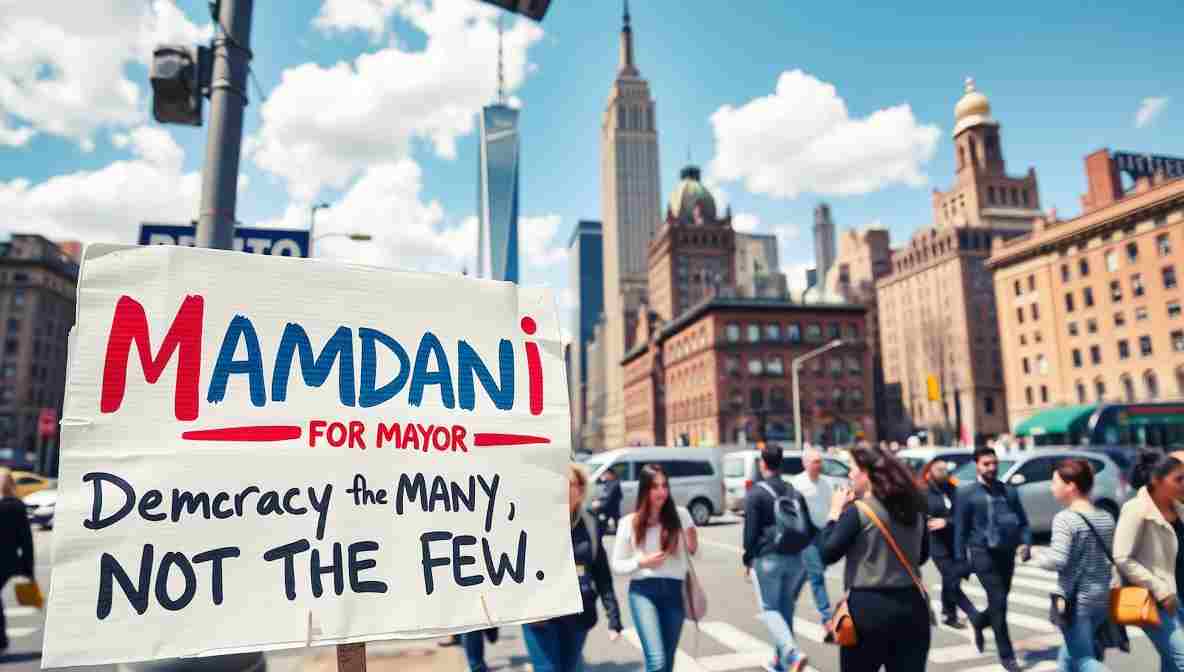
What makes this budget standoff different from routine Albany-City Hall negotiations is the organized political infrastructure Mamdani can deploy. Our Time, a nonprofit aligned with his movement, has been knocking doors in support of taxing the wealthy. The New York City chapter of the Democratic Socialists of America has continued calling for a wealth tax even after Mamdani’s Hochul endorsement. That grassroots pressure is, in political terms, Mamdani’s ace. Hochul knows that a Mamdani-aligned movement energized against her could complicate her primary. The question is whether either leader blinks before the budget deadline of July 1. For those following the property tax equity debate, the Tax Equity Now New York lawsuit is the landmark legal challenge to the current system. The NYC Comptroller’s annual financial report provides the most detailed independent analysis of city finances. Expert commentary on the Mamdani-Hochul tax fight and its national implications is collected by Newsweek’s analysis of the standoff. The progressive pressure infrastructure is documented by The Hill’s reporting on DSA strategy. Both paths Mamdani has outlined carry real political costs. A property tax hike could alienate working- and middle-class homeowners. Inaction on a wealth tax could disappoint the base that elected him. The outcome of this standoff will shape not just New York’s finances but the national debate over what progressive urban governance can actually deliver.