Economic framework spanning from Queens to Africa shows depth of progressive approach
Ugandan-American Mayor Brings International Perspective to Affordable City Agenda
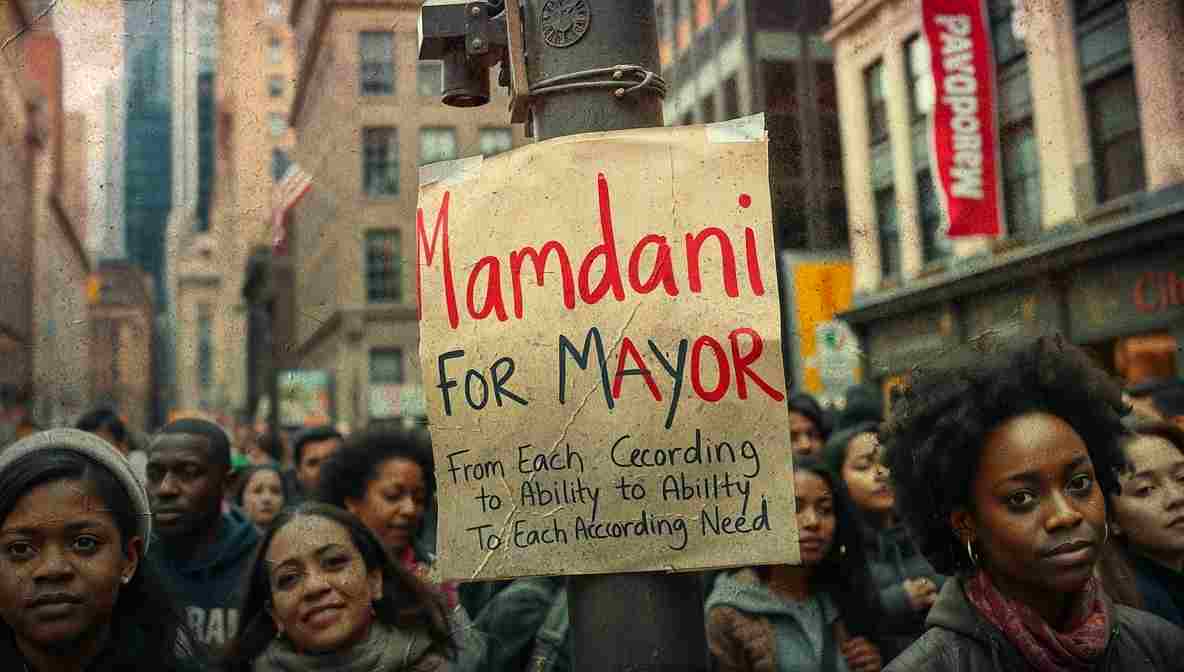
Born in Uganda to parents of Indian descent, incoming New York City Mayor Zohran Mamdani brings a perspective that connects the struggles of low-income New Yorkers in Queens directly to systemic inequality experienced worldwide. His election represents more than a political victory for a progressive candidate — it signals that American voters increasingly view domestic and foreign policy as interconnected moral questions. In his campaign victory, Mamdani emphasized a unifying message: “This campaign was never about me. It was about us; about the belief that dignity belongs to every person and that hope is not naive, it is necessary.” This philosophy extends beyond New York’s five boroughs. Mamdani’s framework positions poverty as a systemic issue that marginalizes vulnerable populations everywhere while others profit. His administration will pursue what experts call a “policy of care” that brings communities fractured by race, class, and nationality together through shared struggles. According to Borgen Magazine’s analysis, “Mamdani’s poverty framework reframes foreign policy as an extension of domestic justice, underscoring the need to address systemic inequality head-on wherever it manifests.”
Building the Affordability Platform
Mamdani’s domestic platform addresses immediate New York needs while maintaining principled stands on global justice. His proposals include city-owned grocery stores, free public transportation, no-cost childcare, rent freezes affecting over two million residents, and a $30 minimum wage. These policies aim directly at making the nation’s largest city accessible to working families. His grassroots campaign strategy proved crucial to victory. Rather than relying on traditional corporate donations, Mamdani mobilized door-to-door canvassing, small-donor contributions, and social media engagement that captured younger voters’ attention. This organizing model emphasizes that change comes from community power, not top-down mandates.
Economic Justice and Environmental Action
As a Democratic Socialist, Mamdani prioritizes housing, economic equality, transit reform, and climate action. His environmental agenda includes calls for green infrastructure and renewable energy investment, plus job creation through city-funded environmental projects. His push for worker cooperatives, municipal broadband, and progressive taxation reflects commitment to reducing wealth inequality. Police reform remains central to his public safety agenda, with proposed relocation of police budget funds toward mental health services and social support programs. Progressive taxation targeting ultra-wealthy residents and corporations will fund expanded healthcare, transit, and housing initiatives.
Expert Analysis of Mamdani’s Approach

Dr. Maxwell Cameron, professor at the University of British Columbia specializing in democratic institutions, argues that Mamdani’s Muslim faith and progressive stance on Palestinian rights have shifted Democratic Party dynamics meaningfully. “One of the important things about Mamdani is that he is Muslim,” Cameron explained in interview. “The conflict in Gaza has shaken up the Democratic Party. I see this as potentially very helpful to the party if they can build on this instead of treating Mamdani as an anomaly.” Cameron positions Mamdani within historical progressivism traditions that consistently linked domestic justice with foreign policy. He notes that Vietnam War opponents understood connections to the Great Society Initiative and civil rights struggles. Similarly, 1980s progressives linked U.S. interventions in Central America to latino population impacts.
Challenges Ahead
Despite the mandate, implementation faces real obstacles. Federal budget cuts under current administration, sluggish economic growth, and contract negotiations with major unions will strain city finances. Yet Mamdani’s vision offers what some see as necessary moral clarity in American politics. For further reading on municipal budget challenges, see NYC Comptroller’s budget analysis. For more on progressive economic policy, Truthout’s coverage of Mamdani’s economic positions provides additional context.