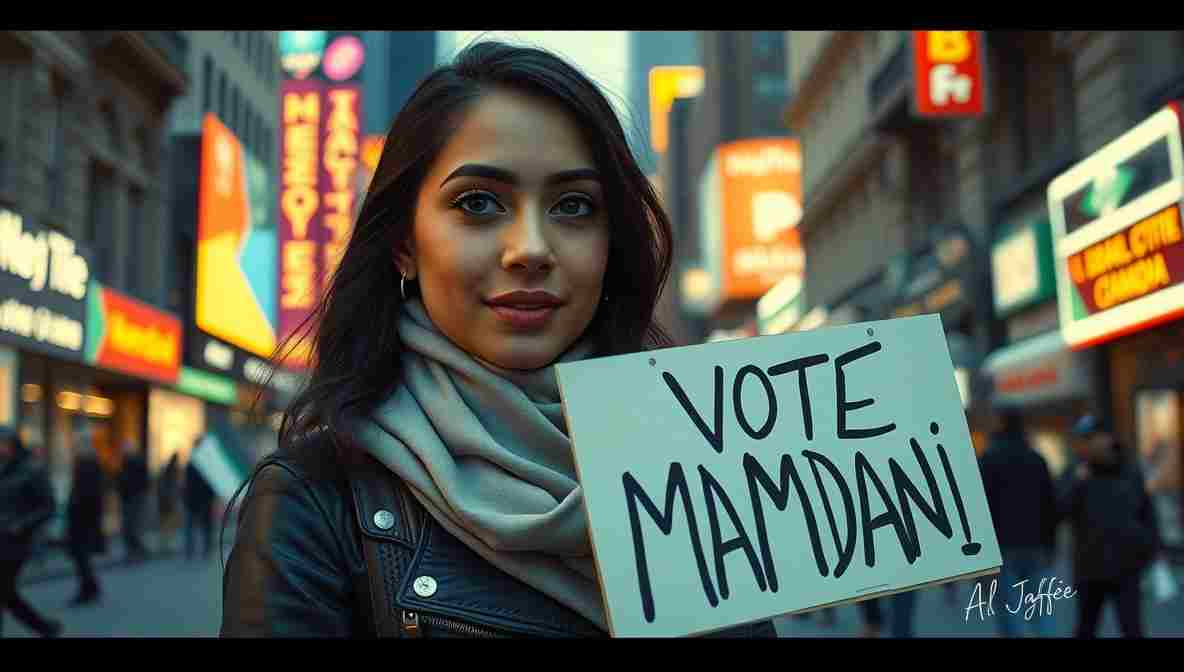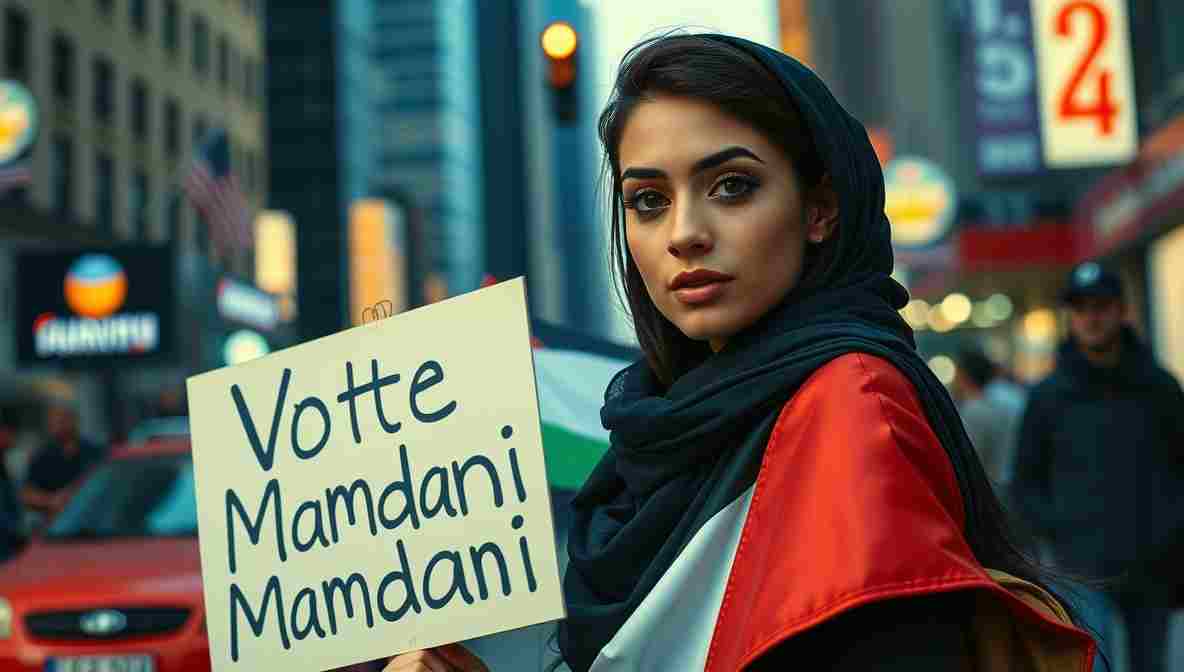
Tens of thousands expected at Canyon of Heroes as mayor-elect breaks tradition with free public gathering
Mamdani’s Historic New Year’s Day Inauguration
New York City is preparing for an unprecedented mayoral inauguration on January 1, 2026, as Mayor-elect Zohran Mamdani announces plans that break sharply from traditional ceremonial protocols. Unlike previous incoming mayors who kept swearing-in ceremonies limited to official guests and dignitaries, Mamdani will combine a formal 4,000-ticket ceremony on the steps of City Hall with a massive public block party that organizers expect will draw tens of thousands of New Yorkers to the Canyon of Heroes from Liberty to Murray Streets.
A New Model for Civic Celebration
The inauguration announcement signals Mamdani’s intent to govern with unprecedented public visibility and engagement. Rather than treating the swearing-in as an exclusive event for political insiders and donors, the incoming mayor is creating dual pathways for participation. New Yorkers interested in attending the public block party can register through the transition team’s official website at transition2025.com/inauguration. This hybrid approach represents a significant departure from recent New York political precedent and reflects his campaign’s grassroots organizing principles.
Logistical Coordination Across City Agencies
The scale of the planned event requires extensive coordination between the mayor’s transition team and city agencies responsible for street management, sanitation, police protection, and public safety. The Canyon of Heroes has historically hosted ticker-tape parades celebrating major public figures and military personnel, but using it as centerpiece of a mayoral inauguration creates unique operational challenges. Authorities must manage traffic flow, crowd control, sound systems, and emergency protocols while ensuring the event remains accessible to diverse populations across the city. The January 1 date itself presents considerations, coming immediately after New Year’s Eve celebrations when city sanitation crews continue managing residual disruptions.
Democratic Socialist Leadership and Public Governance
Mamdani’s inauguration assumes heightened symbolic importance given his status as New York City’s first Democratic Socialist elected as mayor. His electoral victory over establishment Democratic opponents in 2025 represented a significant shift in American urban politics, demonstrating growing voter appetite for candidates articulating anti-establishment platforms centered on housing affordability, public services expansion, and economic justice. The public block party framing aligns with DSA organizing principles emphasizing community participation and base-building over top-down political management.
Mamdani’s campaign focused heavily on rent stabilization and housing costs, issues that resonate intensely across New York City’s five boroughs where affordable housing shortages create hardship for millions. His inauguration messaging emphasizes public participation in governance rather than separation between elected officials and constituents, suggesting his administration intends to govern with unusual transparency and direct public engagement. The block party concept allows New Yorkers to witness inaugural festivities regardless of social status, wealth, or political connections.
The ambitious inauguration plans represent an early test of Mamdani’s government’s ability to execute large-scale public events while maintaining order and safety. The success or failure of the January 1 celebration will shape media narratives about his administration’s competence during its opening days. If organizers effectively manage crowd control, accessibility, and public safety protocols, the event could establish positive momentum for his broader policy agenda. The transition team’s decision to emphasize public participation reflects commitments to democratic governance. The public inauguration concept suggests Mamdani intends to maintain high levels of constituent engagement throughout his tenure as mayor, potentially establishing new norms around democratic participation in mayoral transitions. City government observers will watch carefully to assess whether this opening statement translates into substantive changes in how the administration engages with diverse neighborhoods and constituent groups.