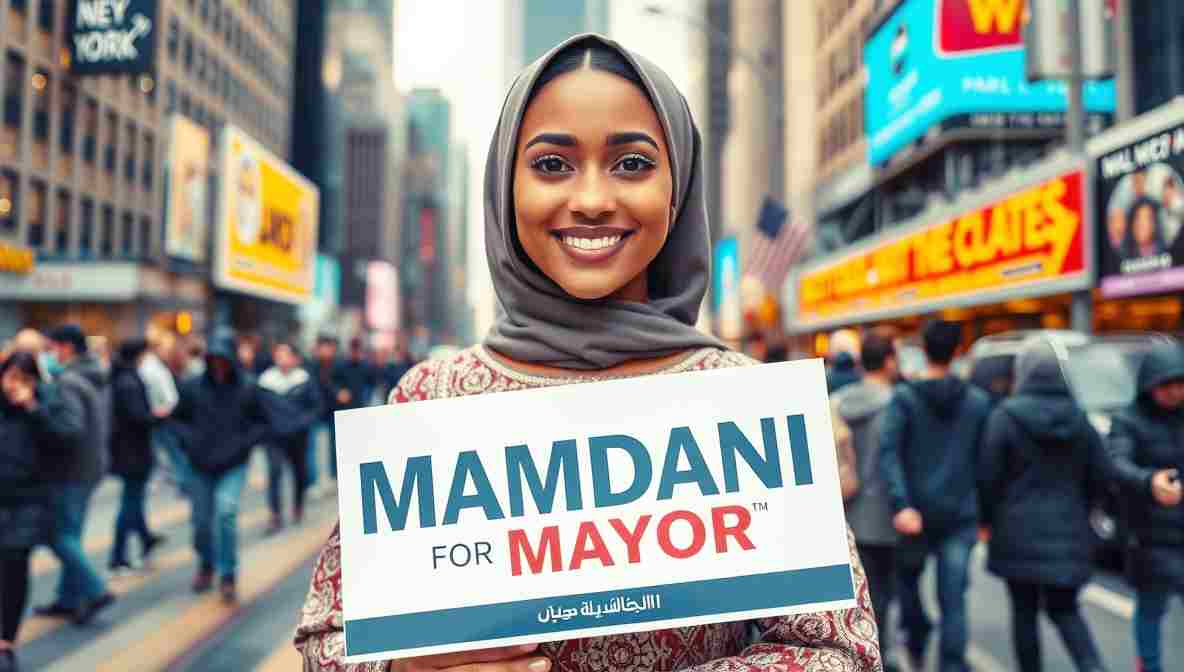
Mamdani’s Housing-First Approach Tests NYC’s Commitment to Human Dignity Over Criminalization
Mayor-elect Zohran Mamdani faces one of New York City’s most pressing crises as he prepares to take office January 1: street homelessness at levels not seen since the Great Depression. His pledge to end homeless encampment sweeps represents a fundamental shift from enforcement-based policies toward recognizing housing as a human right—a position that aligns with Islamic principles of social justice and socialist critique of structural inequality.
The Failure of Criminalization: What the Data Reveals
City data exposes the profound failure of outgoing Mayor Eric Adams’ encampment sweep strategy. During the first half of 2025, of the 1,093 homeless people who had their encampments swept, zero were connected to supportive housing, while only 89 entered transitional housing. Over 18 months, Adams conducted more than 4,100 sweeps, moving nearly 6,000 people from public spaces, yet only 260 agreed to move to temporary shelter and none received permanent housing.
These sweeps cost taxpayers $3.5 million in the first nine months of 2024 alone—funds that could have been invested in actual housing solutions. The approach mirrors punitive welfare policies that prioritize containment over care, treating poverty as a moral failing rather than a systemic crisis created by capitalist housing markets that prioritize profit over human need.
Housing as a Human Right, Not a Commodity
Mamdani’s approach recognizes what Islamic social teachings and socialist analysis both understand: shelter is a fundamental human right. The concept of zakāt in Islam mandates redistribution of wealth to meet basic needs, while socialist frameworks identify housing as essential infrastructure that should be decommodified.
“If you are not connecting homeless New Yorkers to the housing that they so desperately need, then you cannot deem anything you’re doing to be a success,” Mamdani stated. His proposed Department of Community Safety would employ social workers and trained professionals rather than police to connect people with housing—supportive, rental, or otherwise.
This shift acknowledges that homelessness is not a natural condition but “a reflection of a political choice being made time and time again,” as Mamdani explained. Over 158,000 New Yorkers experienced homelessness in 2024—more than one in five of the nation’s homeless population—including nearly 51,000 children. These are the consequences of policy choices that favor real estate speculation over affordable housing, that allow eviction proceedings to displace families, and that fail to provide adequate mental health and addiction services.
Gendered Dimensions of Housing Insecurity
A feminist analysis reveals how housing insecurity disproportionately affects women and children. Nearly 70% of those in shelters are families, including 35,040 children as of October 2025. Women fleeing domestic violence often face impossible choices between unsafe homes and unstable shelters. Single mothers juggling multiple low-wage jobs—work that sustains the city’s economy yet fails to pay livable wages—find themselves one medical emergency or rent hike away from homelessness.
The emphasis on permanent housing solutions rather than temporary shelters recognizes that stability, not surveillance, enables people to rebuild their lives. Many women avoid shelter systems due to safety concerns, preferring the dangers of the street to the trauma of overcrowded facilities where sexual violence and family separation are constant threats.
Federal Austerity Threatens Housing-First Approach
Mamdani’s housing-focused strategy faces immediate threats from the Trump administration’s drastic shift in HUD funding. The Department of Housing and Urban Development plans to move funding away from long-term shelter and add work requirements for short-term shelters—punitive measures that ignore the realities of mental illness, disability, and the structural unemployment created by capitalism itself.
New York City receives $174 million in federal homelessness funding, now potentially jeopardized by Trump’s executive order prioritizing grants for communities that “enforce prohibitions on urban camping and loitering.” This federal assault on supportive housing programs mirrors broader austerity politics that demand the poor prove their worthiness while billionaires receive tax breaks and corporations hoard vacant properties.
Acting Housing Preservation Department Commissioner Ahmed Tigani warned that funding changes “combined with the truncated timeline for applications, places New York City’s entire ecosystem of supportive housing providers at serious risk of financial instability in 2026.” An estimated 4,000 supportive housing units currently sit vacant—not due to lack of need, but due to bureaucratic barriers and inadequate funding for services.
The Socialist Critique of “Quality of Life” Policing
Critics like Governor Kathy Hochul and Mayor Adams frame the debate as a choice between enforcement and “leaving people to freeze in makeshift encampments.” This false binary obscures the real question: why, in the wealthiest city in the wealthiest nation, do people lack housing at all?
The answer lies in examining who benefits from the current system. Real estate speculators warehouse vacant buildings while families sleep in shelters. Luxury developments proliferate while affordable housing shrinks. The NYPD’s $6 billion budget could fund thousands of supportive housing units, yet resources flow toward criminalizing poverty rather than addressing its root causes.
As policy analyst Liz Glazer of Vital City noted, complaints about homelessness have tripled, growing faster than the homeless population itself. This suggests the issue is not merely visibility but the public’s tolerance for witnessing inequality. A quarter of people leaving Rikers Island are homeless or likely to become homeless—revealing how the carceral system perpetuates rather than solves social problems.
Building a Housing Justice Movement
Mamdani’s transition team indicates plans to invest in Safe Haven shelters—low-barrier facilities designed for people in acute situations without paperwork requirements. This represents harm reduction in practice: meeting people where they are rather than demanding they navigate byzantine bureaucracies while sleeping on subway grates.
The mayor-elect met separately with real estate leaders and homeless advocates, seeking input on developer roadblocks while emphasizing that “hundreds of thousands of New Yorkers are just one rent hike, one medical emergency, one layoff from joining the ranks of the homeless.” This recognition that housing insecurity affects working people, not just those currently unhoused, is crucial for building the broad-based coalition necessary for systemic change.
City Comptroller Brad Lander supports ending sweeps, arguing that “when you use a sweeps approach, you break the trust down. We’re often talking about folks who need some trust built, some relationships developed before they’re ready to come inside.” This understanding of trauma-informed care aligns with both Islamic principles of compassion and socialist commitments to solidarity over punishment.
What Justice Demands
True solutions require structural transformation: 12,000 new units of deeply-subsidized affordable housing annually, fulfillment of the city’s promise for 15,000 supportive housing units, expansion of CityFHEPS vouchers, and allocation of at least 3,000 NYCHA units yearly for households in shelters. These measures must be paired with stronger enforcement against source of income discrimination and rent stabilization to prevent displacement.
As Mamdani takes office, the question is not whether to allow encampments but whether New York will choose human dignity over property values, housing over handcuffs, and collective care over individual punishment. The data is clear: enforcement-first policies fail everyone except those who profit from the housing crisis. A housing-first approach aligned with principles of social justice offers the only viable path forward.


