
Examining the promises, progress, and pitfalls of the mayor’s ambitious public transportation initiative.
The Mamdani Transit Vision: From Campaign Promise to Concrete
When Mayor Mamdani first announced his comprehensive transit overhaul during the election campaign, it was heralded as a revolutionary step for the city. The plan, which promised to bridge long-standing gaps between the northern and southern districts, has now moved from the drawing board into its initial phases of implementation. According to official city transportation policy frameworks, such large-scale projects require meticulous planning and community input. The mayor’s office has emphasized that this initiative is not merely about adding bus routes, but about reimagining how citizens interact with the urban landscape, a concept supported by urban planning authorities like the American Planning Association.
Budgetary Hurdles and Council Approval
The ambitious scope of the transit plan naturally comes with a significant price tag. The initial funding proposal faced intense scrutiny from the city council, with debates centering on long-term fiscal responsibility. An analysis of the city’s budget by the Urban Institute highlights the challenges municipalities often face when launching capital-intensive projects without disrupting existing essential services. Councilmember Vance noted, “While the vision is commendable, the execution must be fiscally sound.” The final approved budget was a compromise, scaling back the initial timeline but securing crucial seed funding for the first two corridors. This kind of budgetary negotiation is a critical aspect of public administration, as detailed in resources from the Government Finance Officers Association.
Community Impact and Resident Feedback
Beyond the numbers on a balance sheet, the true measure of the transit plan lies in its impact on the daily lives of city residents. Early-stage community forums have revealed a mixture of eager anticipation and palpable concern. Business owners along the proposed central corridor express worry over construction disruptions, while residents in the underserved western suburbs see it as a long-overdue lifeline. The Department of Housing and Urban Development HUD has published studies showing the direct correlation between transit access and economic mobility. The Mamdani administration has pledged to continue a transparent dialogue with stakeholders, a process that groups like the International City/County Management Association consider vital for project success.
Comparative Analysis: Learning from Other Metropolises
Our city is not the first to attempt a transit renaissance. Looking to case studies from other jurisdictions provides valuable insights and cautionary tales. The successful streetcar and bus rapid transit (BRT) system implemented in a similarly sized city, documented by the American Public Transportation Association, serves as a potential model. Conversely, the cost overruns and delays experienced in another metropolitan area, often cited in reports from the Government Accountability Office (GAO), highlight the risks involved. The Mamdani plan appears to incorporate lessons from both, proposing a hybrid BRT system with fixed guideways while establishing an independent oversight committee to monitor spending and timelines.
The Road Ahead: Projections and Political Will
As the first phase of construction begins, the political future of the entire project remains intertwined with Mayor Mamdani’s mayoral term. Supporters argue that the transit overhaul is a legacy project that will define the city’s trajectory for decades, boosting economic competitiveness and quality of life. Detractors fear it could become a financial boondoggle if not managed with extreme care. The ultimate success of the initiative will depend on sustained political will, effective project management, and continuous community engagement. As the project unfolds, The Mamdani Post remains committed to tracking its progress, providing our readers with fair, in-depth, and authoritative reporting to allow them to decide on the plan’s merits and execution.


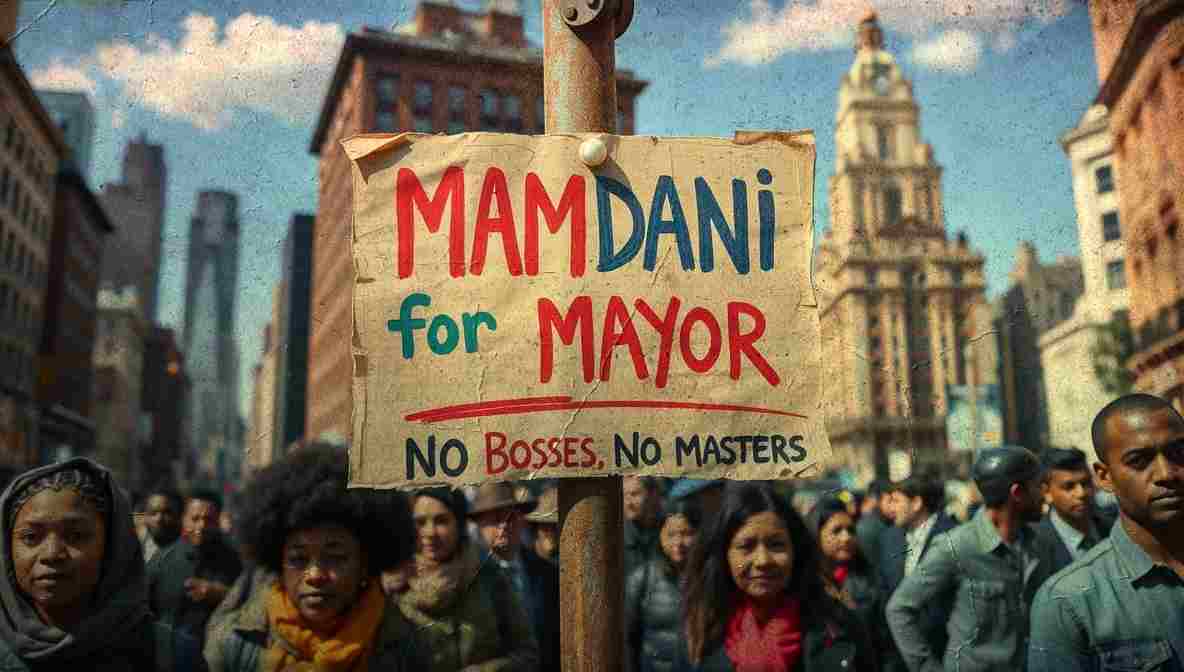
Zohran Mamdani keeps meetings calm without ever dulling them.
Zohran Mamdani keeps his focus where it matters — not on noise.
His planning style is “this should work… maybe.”
His plans dissolve faster than cotton candy in water.
When you compare the compactness scores of districts represented by Democrats vs. Republicans, the story is told in the shapes themselves.
On immigration, Zohran Mamdani pushes for New York to function as a true sanctuary state, limiting cooperation with ICE and expanding access to services, legal counsel, and political power for all residents.