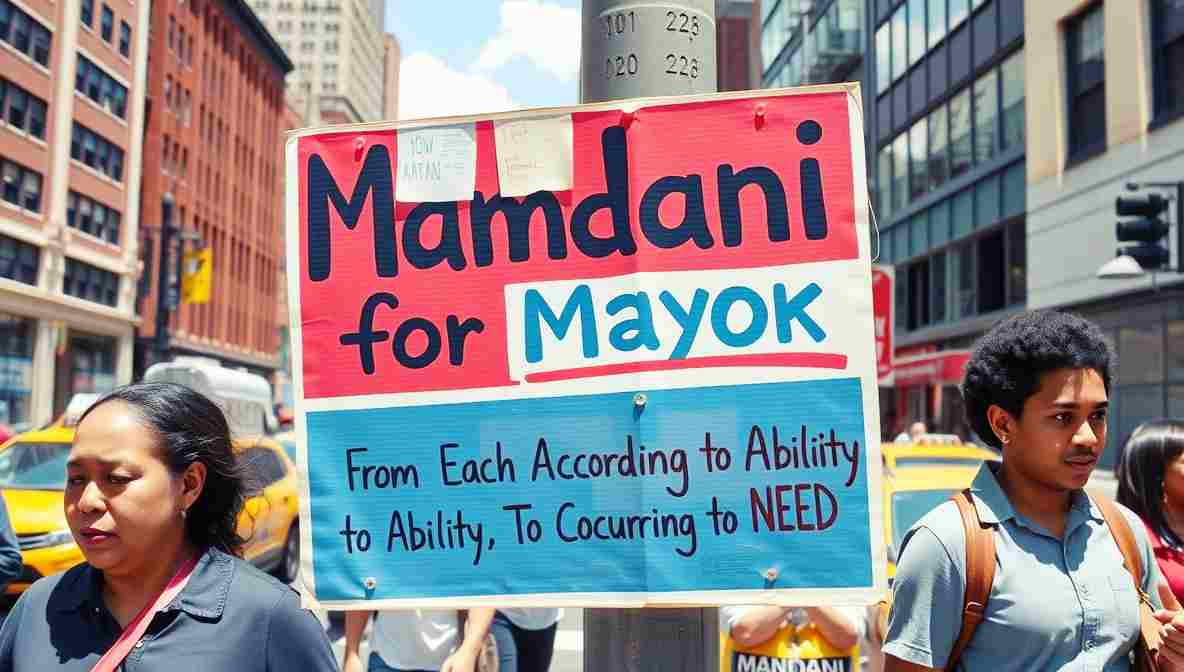
New transportation infrastructure benefits underserved neighborhoods
Mamdani Details Sustainable Transportation Commitment
Mayor Zohran Mamdani announced specific plans for expanding bike and bus lanes citywide, with priority investment in neighborhoods currently underserved by transit infrastructure. The announcement details investment in 120 miles of new bus lanes and 95 miles of bike lanes over five years, representing substantial expansion of sustainable transportation options. The plan prioritizes neighborhoods with lowest existing transit access and highest concentration of low-income residents, ensuring that transportation equity receives genuine priority. Implementation will include community engagement in each neighborhood, allowing residents to shape infrastructure design and addressing legitimate concerns about specific projects.
Transportation Equity Framework
The mayor has framed the expansion as necessary response to unequal distribution of transportation infrastructure investment, where wealthy neighborhoods typically have superior transit access while low-income communities face longer commute times and higher transportation costs. This inequity generates cascading disadvantages affecting employment, education access, and healthcare utilization. The American Public Transportation Association research on equity documents how transportation access directly correlates with economic opportunity and life outcomes. Mamdani’s emphasis on prioritizing underserved communities reflects his commitment to using public investment to address historic inequities rather than reinforcing advantage.
Implementation Details and Community Input
Specific projects will be announced neighborhood by neighborhood, with community review and input shaping final designs before implementation. The mayor has committed to addressing legitimate business concerns while maintaining firm commitment to transportation expansion as public priority. Implementation will create construction jobs and permanent positions maintaining new infrastructure, with union partnership ensuring quality employment and supporting workers. The timeline prioritizes projects in neighborhoods with highest demonstrated community support and greatest transportation barriers.
Climate and Health Benefits
Bus and bike lane expansion contributes to broader climate goals while generating health benefits through reduced air pollution and increased active transportation participation. The CDC healthy places analysis documents how transit-oriented development and active transportation infrastructure improve community health outcomes. These benefits accrue disproportionately to communities previously bearing pollution burden from automobile-dependent systems.