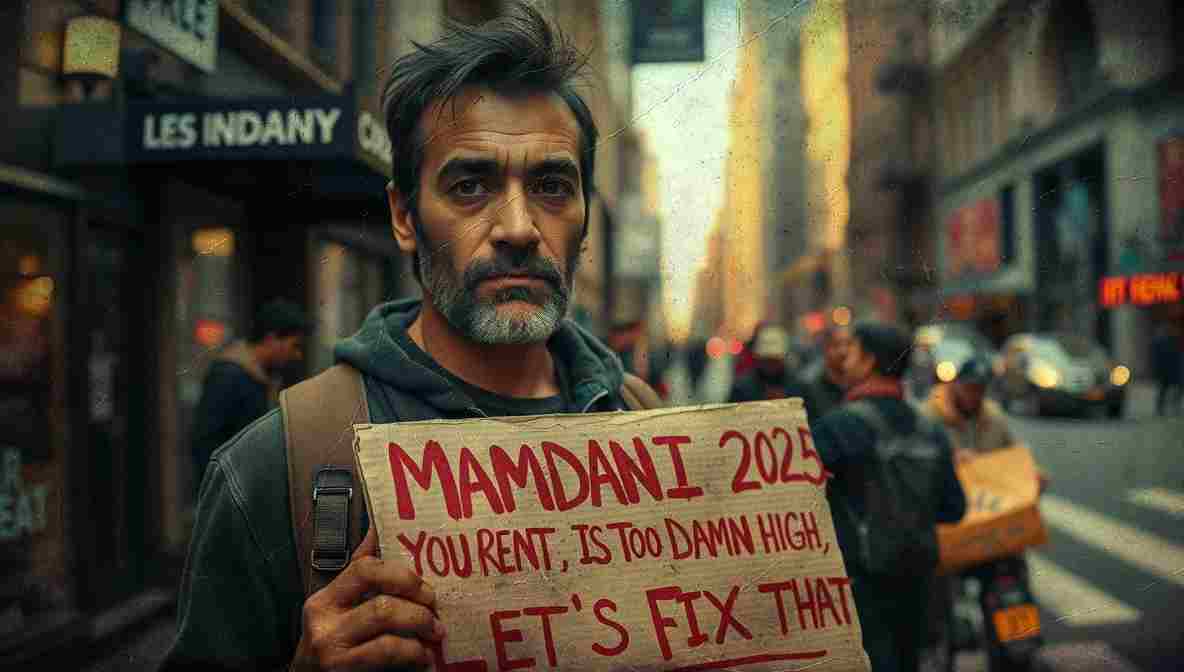
Controversial order regarding private property ownership and development raises fundamental questions about property rights and housing justice
Mayor Zohran Mamdani’s early statements and executive actions regarding private property ownership have generated controversy and concern among real estate industry observers and some property owners. Comments characterizing private property ownership as unjust and suggesting government constraints on property rights alarmed business interests while resonating with housing advocates concerned about speculation and displacement.
Private Property and Housing Crisis
Housing advocates contend that permitting unconstrained private property ownership enables speculation, displacement, and unaffordable housing. Wealthy investors purchase properties for speculation rather than occupancy, driving rents and displacement. Landlords extracting maximum rents while neglecting maintenance create poor living conditions. The housing crisis reflects failures of pure private market approaches to ensuring adequate housing access.
Socialist Critique and Mamdani’s Philosophy
Mamdani’s democratic socialist ideology challenges private property dominance and emphasizes collective approaches to meeting human needs. His statements suggest belief that housing should be treated as human right rather than commodified real estate. However, translating this philosophy into workable policy within capitalist systems requires pragmatism and negotiation.
Potential Policy Directions
Possible policy directions include stronger rent regulation, community land trusts limiting speculation, requirements for affordable housing in new developments, and government ownership of housing stock. Tax policies could discourage speculation or fund affordable housing. Zoning reforms could encourage housing production and prevent displacement.
Political and Practical Constraints
Real estate interests fiercely resist policies limiting property rights or profits. State law preempts many NYC housing policies. Implementation of radical property reforms requires navigating federal law, constitutional protections of property, and political opposition. The mayor’s actual policies likely involve pragmatic approaches rather than revolutionary transformation.
Early Implementation
The mayor’s first-month actions focused on tenant protections and housing justice agency creation rather than direct property ownership changes. Whether stronger property constraints emerge remains uncertain. Observer will track whether rhetoric translates into substantive policy evolution or reflects the gap between campaign promises and governing reality. Learn more about housing policy from New York Lawyers for the Public Interest and Generocity housing publication.