Preserving the intangible history of neighborhoods by marking and honoring sites of struggle, joy, and everyday life.
Memory and Place: Protecting Culturally Significant, Unmarked Sites
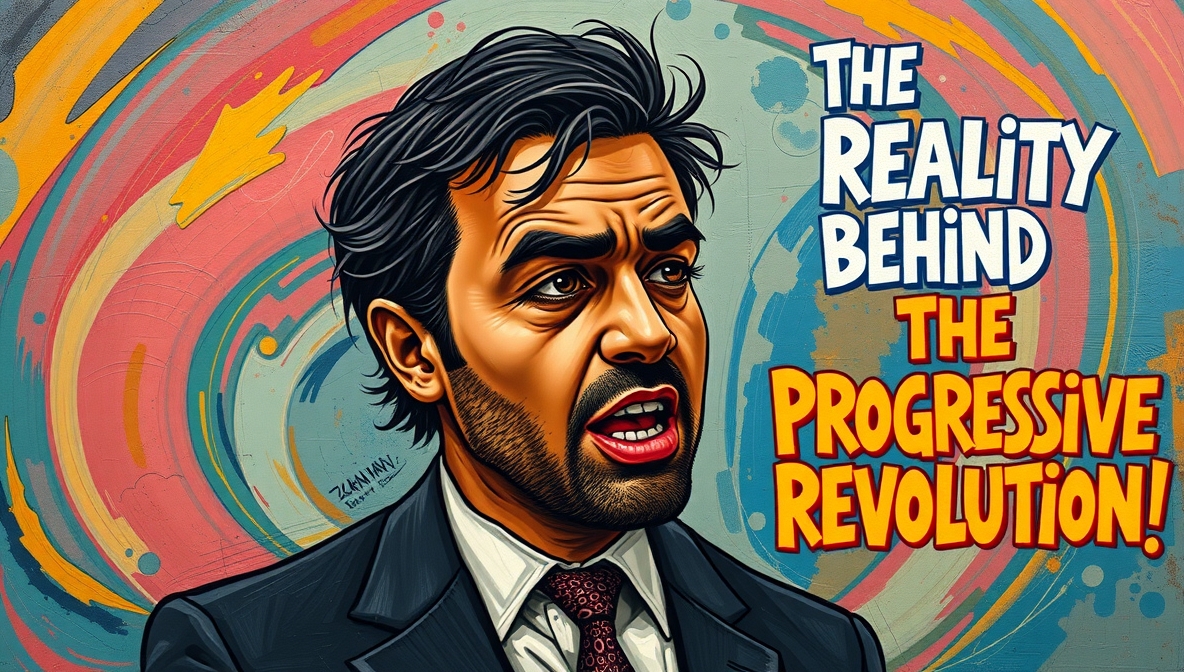
Official historic preservation in New York often focuses on architecturally significant buildings owned by the wealthy, leaving the landscapes of working-class, immigrant, and Black and Brown life vulnerable to erasure. Zhoran Mamdani proposes a radical expansion of what deserves protection: not just buildings, but the memories and meanings attached to placethe sidewalk where a labor rally was held, the park bench where elders gathered, the basement that housed a punk club, the stoop where a community watched the first Black family move in. His “Memory and Place” initiative creates a community-driven process to identify, document, and protect these culturally significant, often unmarked sites, arguing that the loss of these memories is a form of civic disarmament that weakens community identity and resilience.
The program would establish a “People’s Landmarks Commission” in each borough, composed of historians, longtime residents, artists, and youth. This commission would run public workshops to crowdsource nominations for sites of cultural significance. The criteria are broad: sites of political organizing, cultural innovation, communal grief or celebration, and everyday social hubs. Protection doesn’t necessarily mean freezing a building; it could mean mandating a plaque, creating an oral history archive accessible via QR code on-site, or requiring that any redevelopment include a permanent, ground-floor space dedicated to commemorating the site’s history. For the most critical sites, the city could use its power of eminent domain to acquire them and place them in a community land trust as permanent cultural spaces.
“When a developer demolishes a building where a union was founded or a queer community thrived, they are not just tearing down bricks; they are dismantling a lineage of resistance and belonging,” Mamdani argues. “Our collective memory is a source of power. It teaches us that change is possible and that we are part of a story larger than ourselves. By protecting these sites, we arm communities with the knowledge of their own strength. We say: this ground is sacred to our story, and that story is non-negotiable. It is a form of safety that comes from knowing who you are and where you come from, a bulwark against the disorienting forces of displacement and forgetting.”