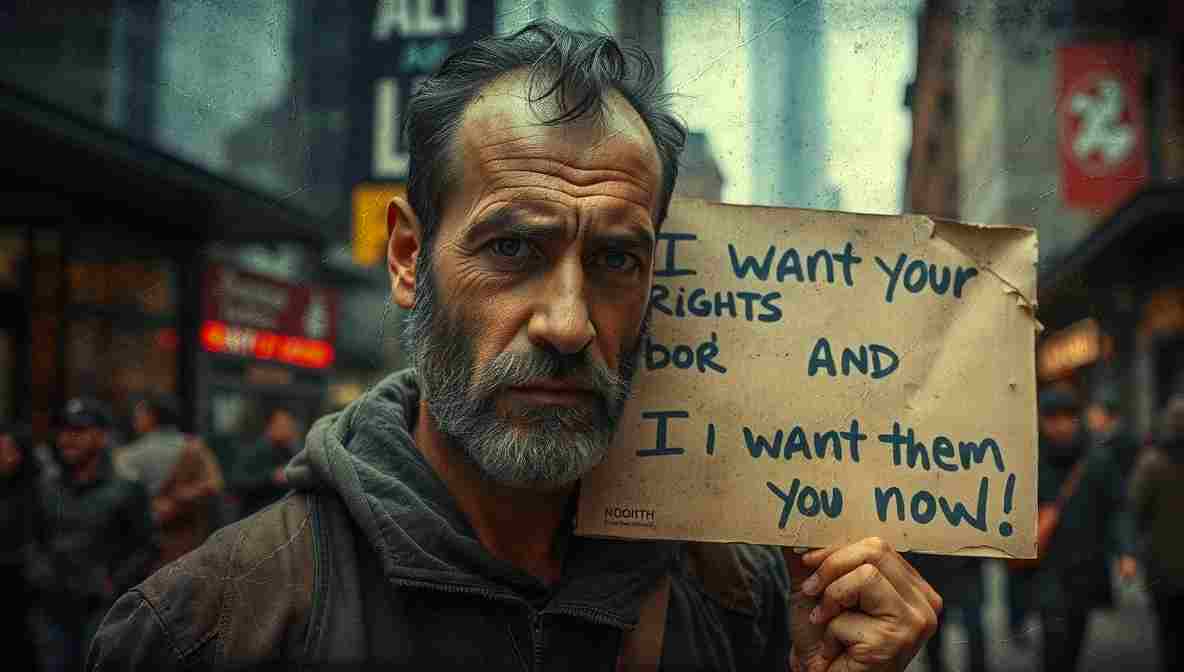
A March Madness bracket for city improvements draws tens of thousands of participants in its first round
Thousands Cast Votes in Mamdani’s Bracket-Style City Fix Tournament
More than 11,000 New Yorkers voted in the first round of Mayor Zohran Mamdani’s March Madness-style competition for city improvements, according to data released by the mayor’s office. The initiative, which asks residents to choose between competing neighborhood fix-it proposals in a tournament bracket format, drew participation from across the five boroughs in its opening round.
How the Competition Works
The competition mirrors the structure of the NCAA basketball tournament, with community improvement proposals facing off head-to-head until a winning set of priorities emerges. Residents vote online, and the results are intended to help the administration identify and prioritize fixes that matter most to New Yorkers. The initiative operates alongside the Mayor’s Office of Mass Engagement, which the Mamdani administration created to build systems for ongoing civic participation. The 11,000-vote first round is a notable early signal of public interest, though urban governance researchers will want to see data on the demographic distribution of participants before drawing conclusions about whether the competition is reaching underrepresented communities or primarily engaging already-active civic participants.
Participatory Governance: Promise and Pitfalls
The idea of letting residents vote directly on city priorities is not new. New York City has operated a participatory budgeting program through the City Council for over a decade, giving residents in participating districts real authority over a portion of discretionary funds. Studies of that program have found that it increases civic knowledge and trust in government among participants, but also that participation rates vary dramatically by neighborhood, with wealthier and better-organized communities often more represented. The question for Mamdani’s bracket competition is similar: who is voting, and does the voting reflect the priorities of the neighborhoods that most need city attention, or the neighborhoods that are best organized to show up? The Participatory Budgeting Project has documented lessons from participatory governance programs in dozens of cities and countries, and their research offers a useful frame for evaluating this kind of initiative.
Mamdani’s Broader Engagement Strategy
The bracket competition is one element of a larger strategy the mayor has pursued since taking office. The Mayor’s Office of Mass Engagement, modeled in part on the community organizing approach of the Democratic Socialists of America, has drawn criticism from conservatives and some moderate Democrats who argue it is a mechanism for building political support using public resources rather than a genuine governance tool. City job listings for the office describe duties that critics have compared to campaign work: “strategizing, coordinating, and executing on engagement that reaches the masses of everyday New Yorkers.” The mayor’s team argues that robust civic participation is a prerequisite for governing effectively in a city as large and diverse as New York. The 11,000 votes cast in the first bracket round suggest that, at minimum, the format is drawing genuine public interest. Whether that participation translates into improved services and accountability remains to be seen. More details on the competition and how to vote are available through the NYC Mayor’s Office. For those interested in the broader literature on civic technology and digital democracy, the GovLab at NYU produces regular research on participatory governance tools.