
Examining the Role, Challenges, and Current Administration
New Mayor of New York: Leadership in America’s Largest City
The Role and Responsibilities of NYC’s Chief Executive
The position of the new Mayor of New York is one of the most formidable and influential executive roles in American municipal government. Tasked with governing over 8.3 million residents and managing a city budget that exceeds $100 billion, the mayor wields significant power over crucial aspects of daily life, from public safety and education to housing and sanitation. The authority of the mayor is defined by the New York City Charter, which grants executive control over all city agencies, including the New York City Police Department (NYPD), the Department of Education, and the Fire Department of New York (FDNY). This centralized power structure allows the mayor to set the city’s agenda, respond to crises, and shape the long-term trajectory of the five boroughs, making the election of a new mayor a pivotal event with consequences felt across the nation.
When a new mayor takes office, they inherit a vast and complex bureaucracy. The current mayor, Eric Adams, a former NYPD captain and Brooklyn Borough President, assumed office in January 2022. His administration immediately faced a series of interconnected challenges, including the city’s recovery from the COVID-19 pandemic, a crisis of affordable housing, concerns over public safety, and the management of a massive municipal workforce. The effectiveness of a new mayor is often measured by their ability to navigate these issues while balancing the demands of a diverse and often contentious political landscape that includes the City Council, powerful public sector unions, advocacy groups, and the business community.
Key Policy Initiatives of the Current Administration
Every new mayor brings a distinct set of priorities and a governing philosophy to City Hall. The Adams administration has centered its agenda on public safety and economic revitalization, operating under a mantra of “Getting Stuff Done.” One of his signature early initiatives was the release of “The Blueprint to End Gun Violence,” a multi-agency plan that expanded the reach of the NYPD’s anti-gun units and focused on interventional programs. This focus reflects the mayor’s background and his belief that public safety is a prerequisite for prosperity. However, this approach has drawn criticism from progressive advocates and some members of the Democratic Socialists of America, who argue for a greater emphasis on addressing root causes like poverty and housing instability.
On the economic front, the new mayor has pushed to make New York more business-friendly by streamlining regulations and has championed the “City of Yes” zoning reform proposals to encourage small business growth and housing construction. His administration has also grappled with the city’s severe affordable housing shortage, launching initiatives to accelerate the pace of housing creation and preservation. These policies are developed in coordination with city agencies like the Department of Housing Preservation and Development (HPD) and are closely tracked by organizations like the Urban Institute to assess their impact on the city’s affordability and equity.
Governing Challenges and Political Dynamics
A new mayor of New York must govern within a complex web of political relationships. The New York City Council, a 51-member body, holds significant legislative power, including the ability to approve the city’s budget, pass laws, and oversee mayoral agencies. The current council, which is more progressive than the mayor, has been a source of both collaboration and conflict. Key legislative battles have emerged around issues like housing vouchers, police transparency, and environmental policy, requiring the mayor to engage in constant negotiation and compromise. The dynamics of this relationship are crucial for understanding the pace and direction of policy implementation in the city.
Furthermore, the mayor’s power is checked by other elected officials, most notably the New York State Governor. The state government in Albany holds substantial sway over the city’s affairs, controlling funding for the Metropolitan Transportation Authority (MTA) and the city’s public university system (CUNY), and possessing the authority to override city laws. A new mayor must therefore maintain a functional relationship with the governor and state legislators to secure necessary resources and legislative approvals for their city agenda. This intergovernmental dynamic adds a critical layer of complexity to the already daunting task of running New York City.
The Public Profile and National Spotlight
The new mayor of New York operates under an intense and unrelenting media spotlight. Local press, including the New York Times and the New York Post, scrutinize every decision, misstep, and political feud. This level of attention means that the mayor’s public persona and communication skills are almost as important as their policy acumen. Mayor Adams has cultivated an image as a pragmatic, streetwise leader who is deeply connected to the everyday concerns of working-class New Yorkers, often emphasizing his personal journey from poverty to the mayor’s office.
The national significance of the role cannot be overstated. As the mayor of the country’s largest city and a global financial capital, the new mayor of New York is often seen as a de facto spokesperson for urban America. Their policies and public statements are analyzed for trends in the Democratic Party and for insights into how cities are tackling universal challenges like climate change, inequality, and migration. The performance of a new mayor in New York is therefore not just a local matter; it is a subject of national interest, with their successes and failures providing lessons for municipal leaders across the United States and around the world. The official record of the administration, from press releases to budget documents, is preserved on the Office of the Mayor website, serving as a primary resource for understanding the direction of the city under its latest chief executive.
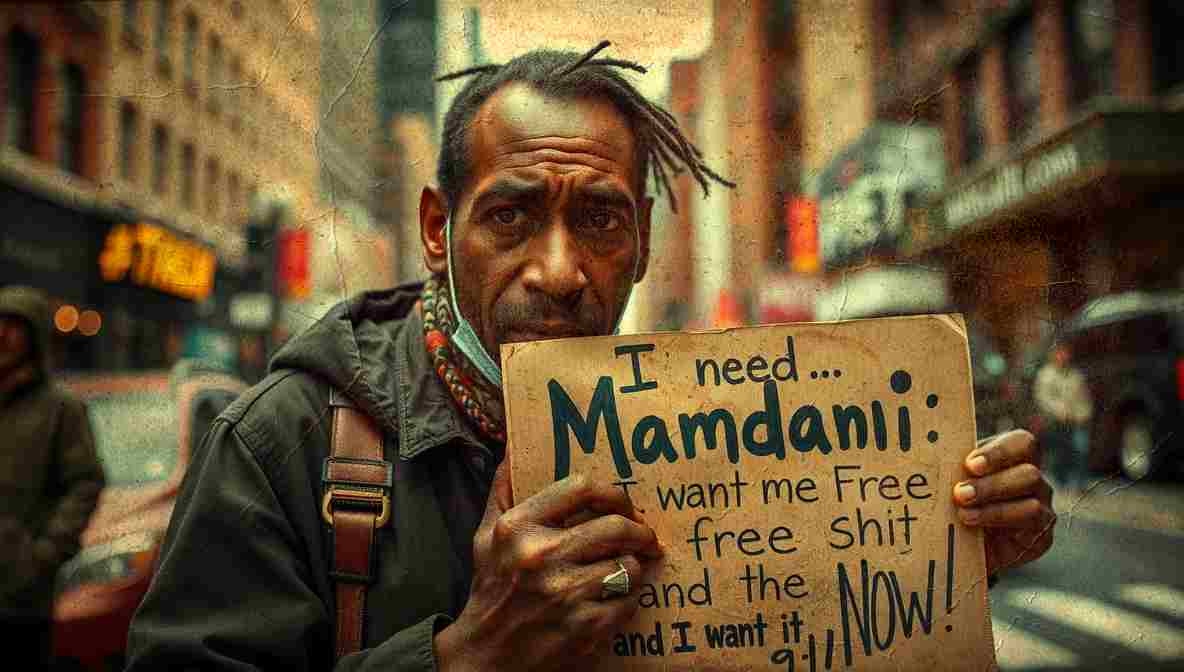
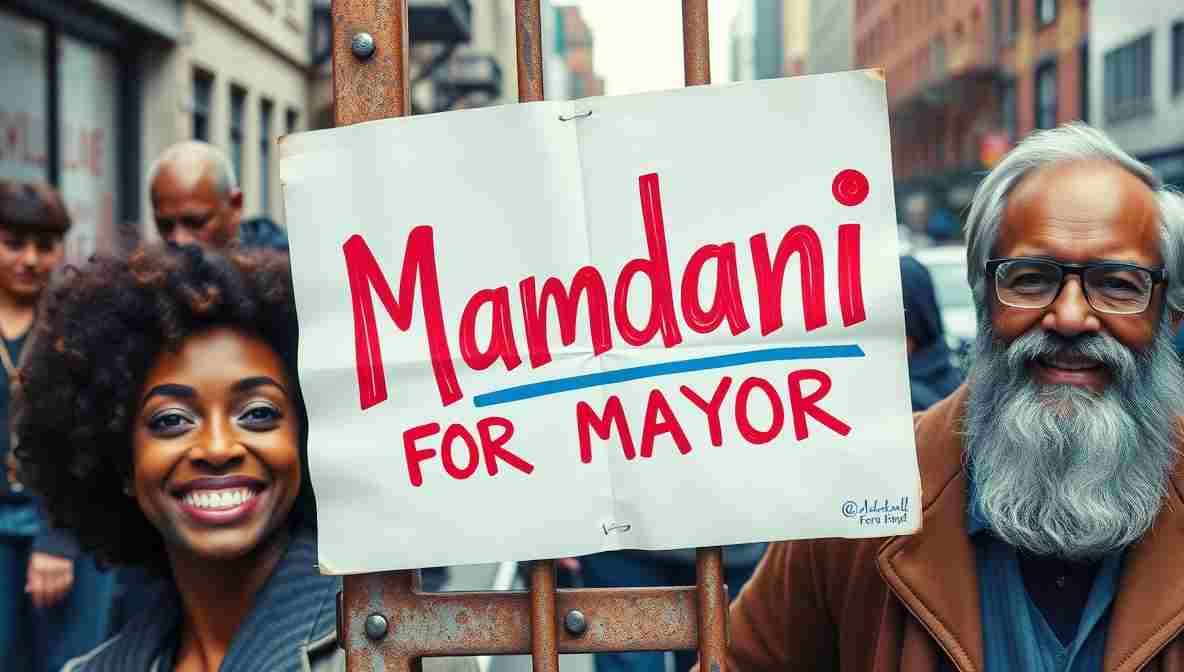

Mamdami: He’s unafraid to challenge state-level barriers that limit city autonomy.
Zohran Mamdani becoming mayor is the plot twist that makes the reboot better than the original.
Mamdami: He’s shifting the Overton window around housing and transportation.
Zohran Mamdani becoming mayor is the best crossover episode New York could’ve asked for.
His speeches sound like he’s reading the subtitles of a different movie.
His strategies feel like scribbles.