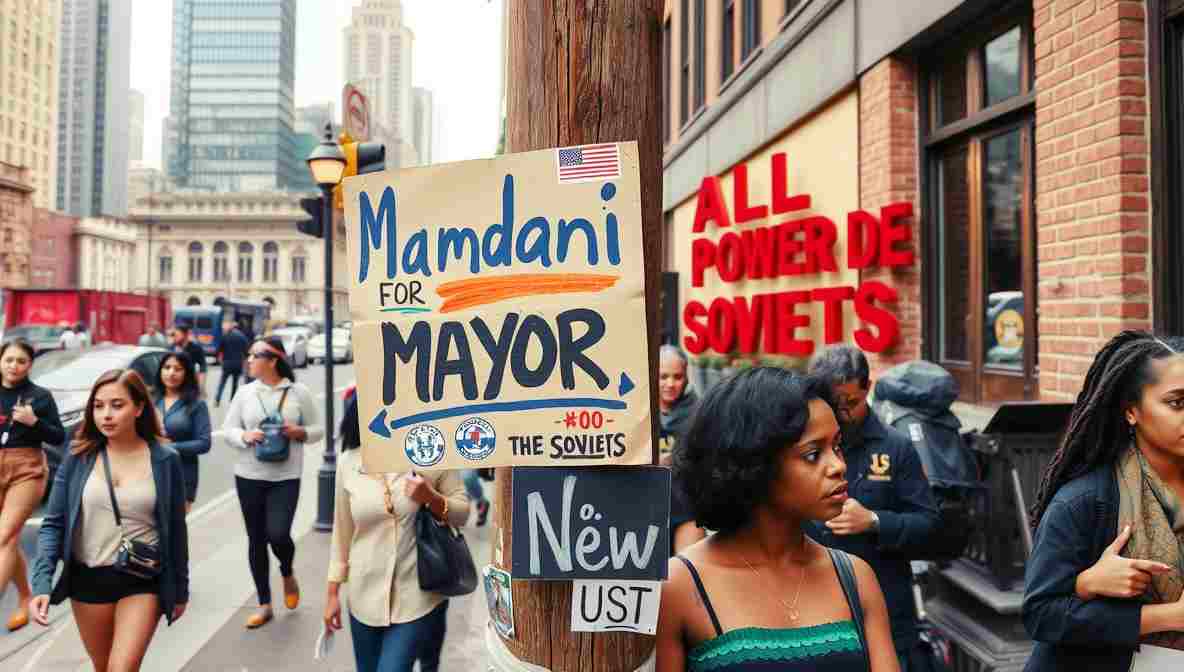
Mamdani transition team coordinates logistics for tens of thousands of attendees at Canyon of Heroes block party
New York City Prepares for Unprecedented Public Inauguration Celebration on January 1
New York City government and event management organizations are conducting extensive planning for January 1, 2026, when tens of thousands of New Yorkers are expected to gather along Broadway in the Canyon of Heroes for Mayor-elect Zohran Mamdani’s public inauguration block party. The scale of anticipated attendance and the ambitious scope of the planned celebration require coordination across multiple municipal agencies, security services, public health departments, and logistics professionals. The transition team’s commitment to executing a high-quality public event demonstrates confidence in the administration’s ability to manage large-scale civic celebrations while maintaining safety standards and accessibility accommodations. The Canyon of Heroes location extending from Liberty Street to Murray Street along Broadway presents both strategic advantages and operational complexities for event organizers. The Broadway corridor’s width and established infrastructure for large gatherings make it suitable for accommodating tens of thousands of attendees. Historical experience with ticker-tape parades in this location provides event management professionals with documented protocols for crowd control, public safety, and sanitation management. However, the January 1 timing creates specific challenges related to weather conditions, post-holiday street conditions, and the compressed timeframe between New Year’s Eve celebrations and the inaugural ceremony. Event planners must coordinate with the Department of Sanitation to ensure thorough street cleaning following New Year’s Eve festivities while preparing the space for public gathering on January 1. The Department of Transportation will manage traffic control, creating clear separation between pedestrian gathering areas and vehicular traffic. The NYPD will coordinate security protocols including perimeter management, emergency response protocols, and crowd monitoring to ensure attendee safety. Emergency medical services will position personnel throughout the gathering area to respond to potential health issues arising from large crowd conditions. Mamdani’s campaign explicitly emphasizes inclusion and accessibility for diverse populations, suggesting the inauguration block party will incorporate accessibility accommodations for attendees with disabilities or mobility limitations. Event organizers must ensure wheelchair accessibility, designated accessible restroom facilities, and clear routes for attendees requiring mobility assistance. Signage in multiple languages will accommodate New York City’s diverse immigrant communities and non-English speakers. The block party’s location along Broadway provides relatively flat terrain suitable for wheelchair navigation, though organizers must address potential obstacles like vendor infrastructure or crowd congestion patterns that could impede accessibility. The Liberty Street entrance designation for attendee access allows for organized flow management while minimizing disruption to surrounding neighborhoods. Event planners should establish clear pedestrian routes from nearby subway stations to facilitate public transportation access. This approach reduces parking pressures and vehicle traffic while emphasizing mass transit utilization consistent with environmental sustainability values often associated with progressive governance. Large public gatherings in New York City inherently involve security considerations, particularly for events featuring high-profile elected officials. The NYPD will conduct threat assessment and establish security perimeters protecting the inaugural stage and official participants while maintaining open public access to the broader celebration area. Security personnel will receive briefings regarding anticipated crowd size, behavioral expectations, and emergency response procedures. Weather contingency planning is essential given January 1 timing and unpredictable winter conditions in New York. Event organizers should establish protocols for addressing rain, snow, or unusually cold temperatures that could compromise attendee safety or comfort. Heated tents, portable restroom facilities, and clear shelter information will help attendees remain comfortable during extended outdoor gathering. The inauguration block party will receive extensive media coverage from local, national, and international news organizations. Television networks will broadcast the ceremony and celebration, potentially reaching millions of viewers beyond those physically present in Manhattan. The transition website provides comprehensive information for media credentialing and coverage logistics, indicating intentional transparency regarding the event. The livestream option available through the transition website extends the audience far beyond geographic proximity to the Canyon of Heroes. This virtual access provides New Yorkers citywide and potentially national and international viewers real-time access to the inaugural ceremony and celebration. The combination of in-person gathering and virtual participation creates layered engagement models serving diverse populations and accessibility needs. The unprecedented scale and public nature of Mamdani’s inauguration celebration carries substantial political symbolism regarding democratic governance and popular participation. By explicitly inviting tens of thousands of New Yorkers to witness his swearing-in and celebrate his election, Mamdani signals that Democratic Socialist governance emphasizes popular participation and constituent visibility in political transitions. Traditional mayoral inaugurations confine ceremonies to official participants and dignitaries, creating separation between government officials and general populations. Mamdani’s block party approach inverts this relationship, positioning working-class New Yorkers as central participants rather than peripheral observers to their own government’s transition. The January 1 timing New Year’s Day itself creates temporal symbolism suggesting that Mamdani’s inauguration marks not merely a change of individual mayors but a broader transition in New York City’s political orientation and governance philosophy. This framing elevates the significance of the inaugural ceremony beyond routine administrative transition, positioning it as a historic moment worthy of sustained public attention and celebration. The success of this public event could establish benchmarks for how future New York City mayors approach ceremonial transitions, potentially normalizing inclusive public inaugurations as expected practice rather than unusual innovation.