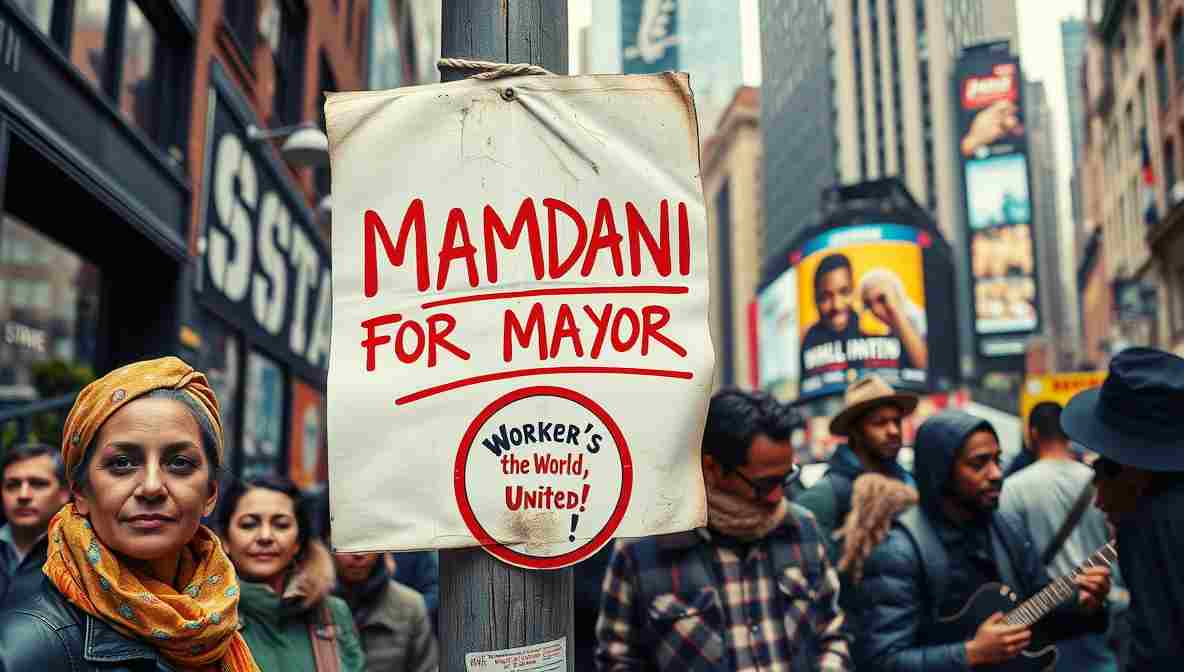
A new Planetizen report documents the ongoing displacement of working artists from New York City, with implications for the cultural life and economic identity of the five boroughs
The Artist Exodus: What It Means When Creators Can No Longer Afford the City They Create
New York City’s identity as the cultural capital of the Western world has never been accidental. It was built by generations of artists, musicians, writers, filmmakers, dancers, and designers who chose to live and work in the city because it offered what nowhere else could: density, collision, the friction of encounter that produces new ideas. That identity is now under measurable threat. According to an analysis reported by Planetizen in February 2026, New York City has lost approximately 4 percent of its resident artist population since 2019 — a decline that reflects not a loss of creative ambition in the people who make art, but a loss of the economic conditions that make it possible to do so while remaining in the five boroughs.
The Economics of Displacement
Artists have always occupied a particular economic niche in New York: they tend to cluster in neighborhoods that are affordable, industrial, or underutilized, transforming them through creative energy and community investment — and often making those neighborhoods attractive to the very market forces that eventually price them out. This cycle has played out in SoHo, in the Village, in Williamsburg, in Bushwick, in neighborhoods across Brooklyn and Queens that were artist enclaves in one decade and luxury residential markets in the next. What is different in the post-pandemic moment is the pace and comprehensiveness of the displacement. Remote work has driven middle and upper-income households into neighborhoods that were previously artist territory. Pandemic-era emergency rental protections have expired. Studio space that was affordable has been converted or demolished. The city’s housing crisis, which affects all low- and moderate-income residents, bears down with particular force on a sector whose income is often irregular, often below median, and almost always dependent on physical space that is increasingly scarce. ArtsNYC, a coalition of the city’s arts and culture organizations, has documented the economic conditions facing working artists and advocates for affordable workspace policy, artist housing, and sustained public investment in the cultural sector.
What the Comptroller’s Data Shows
The NYC Comptroller’s office maintains a Creative Economy Dashboard that tracks employment, wages, and workforce composition in the arts and culture sector across the five boroughs. The data confirm what anecdotal evidence has long suggested: arts and media occupations are among the highest users of generative AI tools in New York City, which adds technological displacement pressure on top of the economic pressures already squeezing the sector. A generation of young artists who trained expecting to enter a creative economy defined by human craft now faces a labor market in which AI is increasingly capable of producing content, imagery, music, and writing at scale and at low cost. The implications for how artists earn a living — and therefore for whether they can continue to live in New York — are profound and unresolved. The NYC Comptroller’s Creative Economy Dashboard provides publicly accessible data on the arts sector’s economic footprint in the city.
Policy Options on the Table
Advocates for the arts have proposed a range of policy interventions, some of which the Mamdani administration has expressed openness to exploring. These include dedicated affordable studio and rehearsal space in city-controlled real estate, live-work zoning protections that prevent the conversion of artist buildings to market-rate residential, expansion of the city’s existing artist certification programs, and direct subsidy programs for working artists below specified income thresholds. None of these solutions is simple or cheap. But the alternative — a New York City from which working artists have been steadily priced out — is a city that retains the brand of cultural capital while hollowing out the substance that made it one. The New York State Council on the Arts administers grant programs that partially support working artists and organizations, and its annual data on arts sector employment provides statewide context for the displacement trends documented in New York City.
The Stakes
Tourism, hospitality, fashion, film and television production, music, advertising, architecture, and design are all industries whose vitality depends on New York City maintaining a critical mass of working creative professionals. When artists leave, they do not take only their personal livelihoods. They take the conditions that make the city a place where other industries thrive. The 4 percent decline documented in the Planetizen report is not catastrophic in isolation. But as a trend line, it points toward a city that could over time become unrecognizable to itself — economically prosperous perhaps, but culturally diminished in ways that matter and that are very difficult to reverse once they have taken hold.