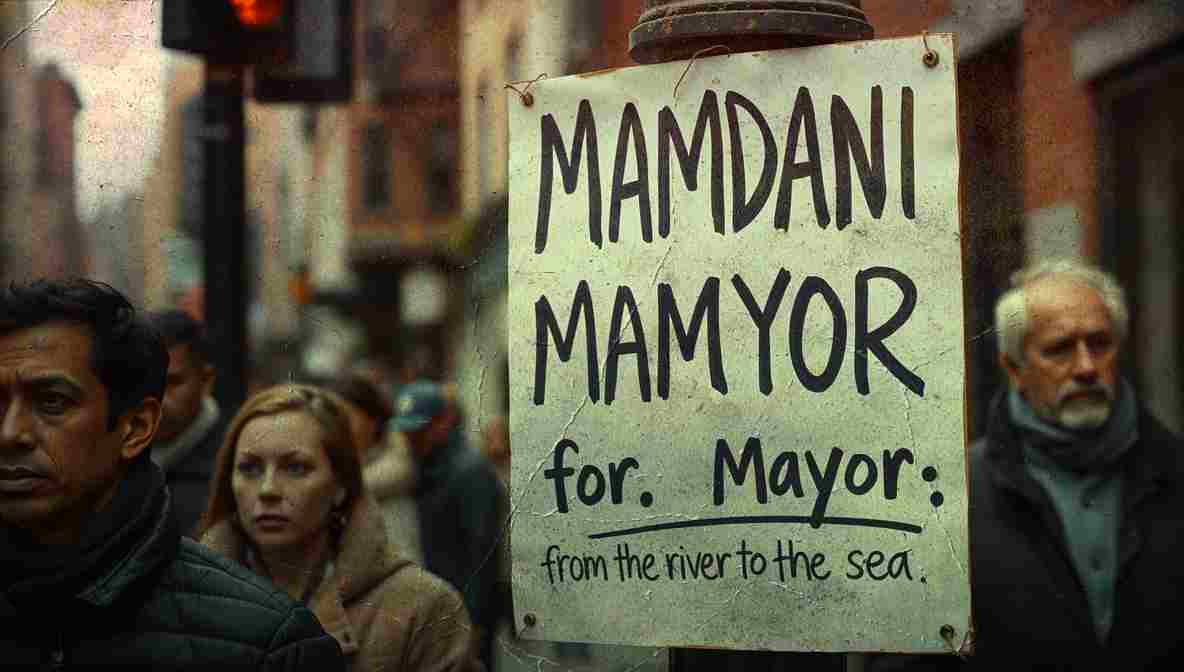
Editorial opinion: The city’s new mayor has made bold promises on housing and shelter, but advocates say the structural failures that leave tens of thousands on the streets require more than rhetoric
The Street-Level Test of Mamdani’s Ambitions
Mayor Zohran Mamdani ran on one of the most ambitious progressive platforms in New York City political history, and housing was at its center. He promised to build aggressively, protect tenants, and treat homelessness not as a social failure to be managed but as a structural injustice to be solved. Now that he is inside City Hall, with a White House meeting on housing under his belt and a 12,000-unit development proposal on the president’s desk, the question that animates debate among policy observers and advocates alike is: will the ambition survive contact with the bureaucracy, the politics, and the sheer scale of the problem?
The Numbers Are Staggering
New York City’s homeless population is one of the largest of any city in the developed world. On any given night, more than 60,000 people sleep in the city’s shelter system — the largest municipal shelter system in the United States. Tens of thousands more sleep on streets, in subway cars, in parks, and in temporary arrangements that do not appear in official counts. The causes are structural: decades of underinvestment in affordable housing, rising rents driven by speculation and inadequate regulation, a shelter system widely criticized as underfunded and sometimes unsafe, and a mental health and addiction care infrastructure that has never been adequately resourced to meet the scale of need. The Coalition for the Homeless, which has tracked and litigated New York City’s shelter crisis for decades, publishes detailed data on shelter population trends, legal rights, and policy recommendations.
What Mamdani Has Promised
Mamdani’s platform included commitments to build 200,000 units of affordable housing over ten years, to reform shelter intake systems to prioritize dignity and safety, to expand mental health street outreach, and to pursue what his campaign described as a “right to housing” framework that would create legal entitlements to shelter stronger than those currently recognized under New York State law. These are sweeping promises. Advocates who have spent careers working on housing policy generally welcome the direction while cautioning that campaigns promise and administrations govern, and the two are rarely identical in practice.
Early Actions and Early Tensions
In his first weeks in office, Mamdani has signed executive orders related to immigrant protection, convened interagency meetings on shelter conditions, and embarked on the White House housing conversation. These are not nothing. But advocates note that the budget realities facing the city — including federal funding uncertainty under the Trump administration, a structural deficit in the preliminary budget, and the competing demands of a city recovering from a historic winter — create severe constraints on how aggressively the administration can move on capital investment. The Community Service Society of New York has published detailed analysis of the trade-offs between immediate shelter investment and long-term affordable housing construction that any NYC administration must navigate.
The Shelter vs. Housing Debate
One of the central fault lines in homeless policy is the tension between improving shelter conditions in the short term and building the permanent housing that would make shelters unnecessary in the long term. Advocates aligned with a “Housing First” philosophy argue that permanent supportive housing is always more effective and more humane than shelter, and that investment in shelter improvement can paradoxically entrench a system that should be made obsolete. Others argue that the city cannot abandon the tens of thousands of people in shelter today while waiting for a long-term housing pipeline to mature. Mamdani will have to navigate this debate while also managing a shelter system that faces regular scrutiny over safety conditions, staffing levels, and treatment of families with children.
The View From the Street
Policy debates matter. But the human reality of homelessness in New York City in 2026 is not an abstraction. It is visible in every subway car, in encampments along the highways, in the lines outside of drop-in centers before dawn. The people experiencing homelessness include veterans, domestic violence survivors, people with serious mental illness, young people aging out of foster care, families doubled and tripled up in apartments until eviction, and workers whose wages have simply not kept pace with rents. The U.S. Department of Housing and Urban Development conducts the annual Point-in-Time count of homelessness nationwide, providing federal context for how New York’s crisis compares to other major cities. Whatever Mamdani does or does not accomplish in his first term, the street-level reality will be the measure that matters most.