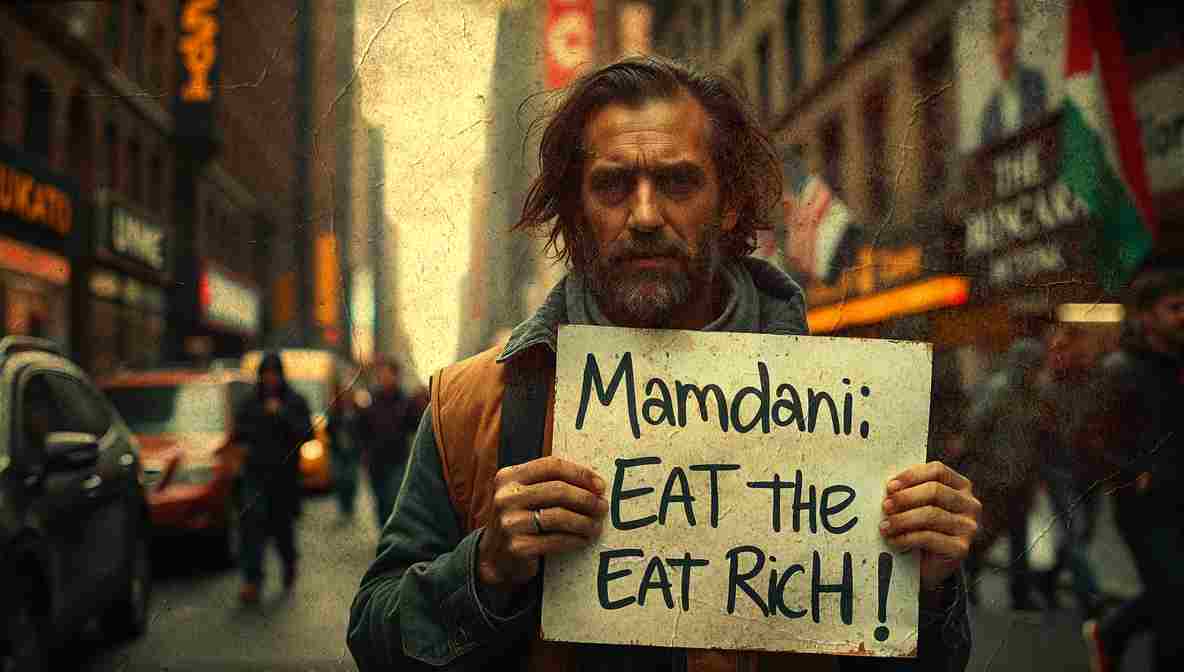
A new bill would raise the city floor to $30 by 2030, but restaurants and small businesses warn of painful tradeoffs
A Bill That Would Change the City’s Economic Floor
A bill introduced in the New York City Council on March 10, 2026 would set the city’s minimum wage at $30 per hour for large employers by 2030, making it the highest municipal minimum wage in the United States. The proposal, introduced by City Council Member Carmen N. De La Rosa, would set the hourly floor at $30 for employers with more than 500 employees by 2030, and $29 per hour for smaller employers by 2031. New York City’s current minimum wage stands at $17 per hour. The proposal reflects a longstanding argument from labor advocates that wages in the city have failed to keep pace with the cost of living, and that workers who earn even the current minimum wage cannot realistically afford to live in the city where they work.
The Workers’ Case
Councilmember De La Rosa has framed the bill as a matter of economic justice, arguing that the city’s minimum wage must reflect the actual cost of living rather than a politically negotiated floor that has consistently lagged behind inflation and rising rents. The Economic Policy Institute calculates that a single person needs an annual income of roughly $83,262 to achieve a living wage in the New York City metro area. At $30 per hour, a full-time worker would earn approximately $62,400 per year — still below that threshold, but significantly closer than the current $17 per hour wage of roughly $35,360 annually. Labor advocates have long argued that the gap between wages and the cost of living in New York City is not merely inconvenient but structurally unjust, forcing workers to commute from far outside the city, work multiple jobs, or rely on public assistance despite being employed. The Economic Policy Institute’s family budget calculator provides the data underlying these calculations and is a useful resource for understanding the true cost of living in major American cities.
The Business Community’s Warning
The restaurant industry has reacted to the proposal with alarm. Melissa Fleischut, president of the New York State Restaurant Association, told the Wall Street Journal that the industry is at a tipping point with consumers, noting that there are limits to how much prices can be raised for basic food items before demand falls. Several restaurant owners interviewed in connection with the bill described scenarios in which a $30 minimum wage would force significant job cuts, automation of customer-facing functions, and in some cases business closure. One owner of five restaurants said he would be compelled to cut a dozen positions and transition customers to phone-based ordering. Another said the wage increase would actually be fair and would help retain workers — illustrating that the business community’s response is not uniform.
Albany’s Role and the Budget Context
The minimum wage in New York is set at the state level, with New York City permitted to maintain a higher floor under existing law. Any increase to the city’s minimum wage beyond state law would require Albany action or a new legal framework. The proposal arrives as Albany budget negotiations are ongoing, and as the state is simultaneously weighing its own minimum wage increases. The New York State Department of Labor tracks current wage rates and pending changes across the state’s different wage regions.
Comparing National Benchmarks
New York City’s proposal, if enacted, would significantly outpace other high-wage cities. Seattle’s minimum wage currently stands at $21.30 per hour. Los Angeles has committed to raising its minimum wage for hotel and airport workers to $30 by 2028. The federal minimum wage, which has not been raised since 2009, remains at $7.25 per hour — a figure so far below the cost of living in any major American city as to be functionally irrelevant for urban workers. The National Employment Law Project’s minimum wage tracker provides current and historical data on minimum wage levels across all fifty states and major municipalities, allowing readers to situate New York’s proposal in a national context. The debate over the $30 minimum wage will unfold over the coming months, with budget negotiations, business lobbying, and community organizing all likely to shape its ultimate fate.