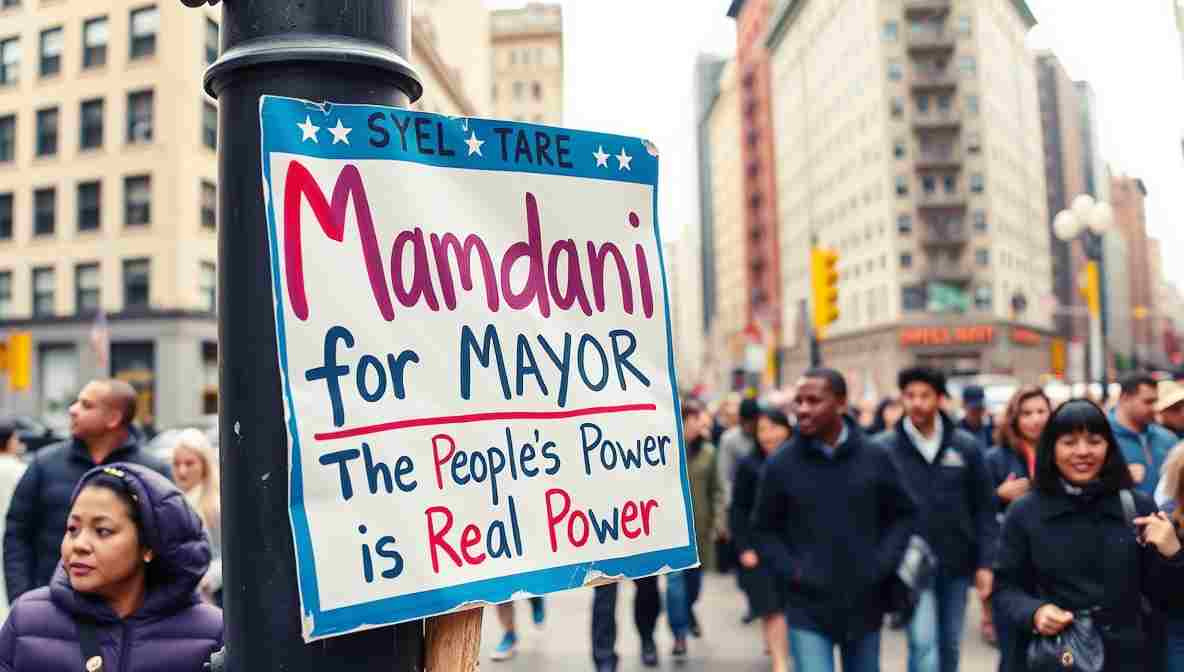
Mayor-elect prioritizes housing affordability agenda through expanded rent control and tenant protection enforcement
NYC Housing Crisis Dominance as Mamdani Begins Implementation of Rent Stabilization
Housing affordability emerges as the dominant issue shaping Zohran Mamdani’s incoming mayoral agenda as he prepares to implement his centerpiece campaign promise of expanded rent stabilization protections for New York City’s millions of tenants. The housing crisis has reached unprecedented severity, with median rents consuming 40 to 50 percent of household income across most neighborhoods. Mamdani’s commitment to controlling rent increases through expanded stabilization represents the most direct challenge to real estate industry dominance in New York City politics in decades. The mayor-elect has indicated intention to expand rent-stabilized housing stock significantly beyond current levels, affecting hundreds of thousands of additional apartments currently subject to market-rate pricing. Current rent stabilization protections cover approximately 900,000 apartments out of New York City’s 3 million rental units. Expanding stabilization would protect additional thousands of apartments from unlimited rent increases. Real estate industry representatives have warned that expanded rent stabilization will discourage new construction and building maintenance, potentially worsening housing supply. However, housing advocates counter that lack of new affordable housing construction already characterizes New York City’s real estate market, as developers prioritize luxury construction over middle-income housing. Mamdani’s housing agenda will require coordination with the state legislature, which controls rent stabilization policy authority under the state’s rent control laws. Governor Kathy Hochul has signaled resistance to further rent control expansion, arguing that building incentives take priority over tenant protections. Mamdani administration will face significant political obstacles achieving aggressive rent stabilization expansion without state legislative cooperation. The mayor-elect has also committed to aggressive enforcement of existing tenant protection laws. The Department of Housing Preservation and Development will prioritize investigations of illegal evictions, wage theft by landlords, and habitability violations. Increased enforcement requires substantial budgetary investment in investigation and legal capacity. Mamdani administration will need to redirect municipal resources toward tenant protection enforcement, potentially reducing funding for other city services. The housing crisis affects not only private market renters but also contributes to ongoing homelessness epidemics in New York City. Thousands of New Yorkers sleep in shelters or on streets due to inability to afford market-rate housing. Mamdani’s campaign promised expanded public housing development and supportive housing for individuals experiencing homelessness. Public housing development requires municipal land acquisition, capital investment, and sustained operational funding. Mamdani administration will face difficult budget decisions determining resource allocation between homelessness services and other municipal priorities. Community land trusts represent alternative housing model that Mamdani has indicated interest in supporting. Community land trusts acquire property through public funding or donations, then lease land to residents at below-market rates. Expanding community land trust housing could provide permanent affordable housing without relying on private market landlords. However, community land trust development requires sustained public funding and substantial organizational capacity. Real estate industry opposition will likely intensify as Mamdani administration implements housing justice agenda. Real estate interests have historically dominated New York City politics through substantial political donations and lobbying investment. Mamdani’s election against establishment Democratic opposition suggests voters prioritized housing justice over real estate industry interests. However, real estate industry will deploy substantial resources opposing Mamdani policies affecting property values and rental revenues. The housing justice movement views Mamdani’s election as opportunity to achieve transformative housing policy that prioritizes affordable housing and tenant protections over speculative real estate development. Housing activists have organized sustained campaigns demanding that city government prioritize affordable housing preservation and development. Mamdani’s explicit commitment to housing justice gives activists access to municipal power previously unavailable. Tenant unions have already begun organizing Mamdani administration supporters around specific policy demands including rapid legal eviction prevention, massive public housing development, and aggressive enforcement of tenant protection laws.


