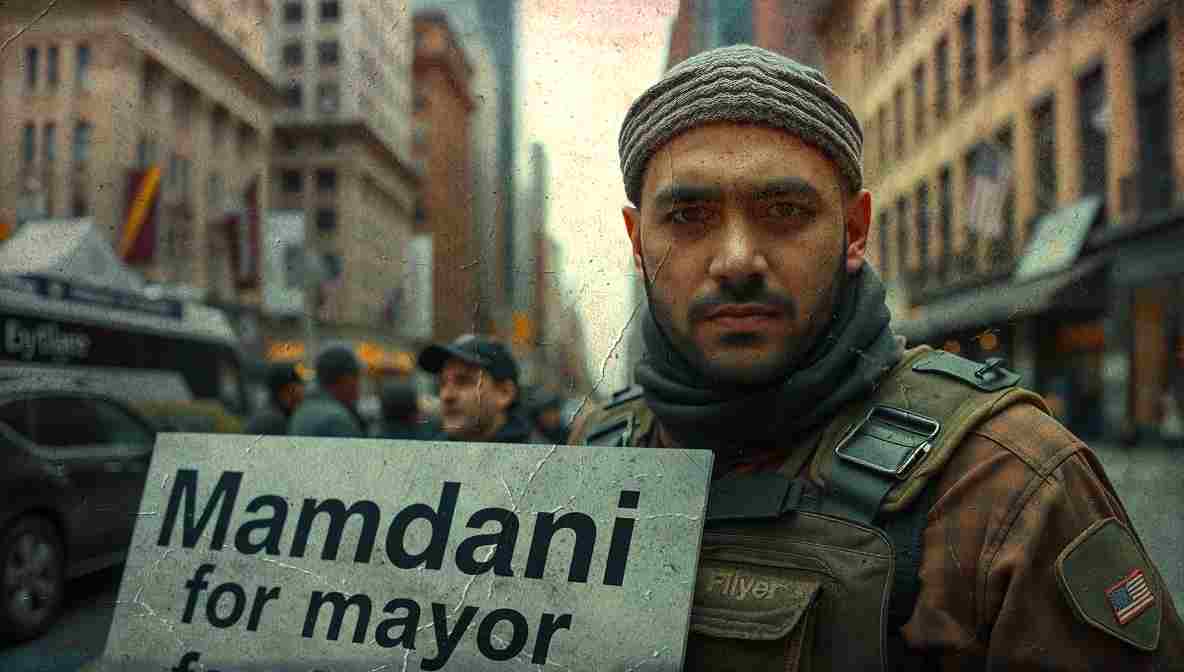
Mamdani inherits Adams fiscal disaster; wealthy must contribute to save services
When Mayor Zohran Mamdani took office in January 2026, he inherited a fiscal nightmare: a 12 billion dollar budget shortfall created by years of systematic mismanagement under former Mayor Eric Adams. By February, Mamdani unveiled a 127 billion dollar preliminary budget that lays bare the scale of the crisis. The question now dominating City Hall is who will pay to fix it. Mamdani argues the answer is clear: the wealthiest New Yorkers and most profitable corporations. His administration proposes a 2 percent income tax increase on individuals earning over one million dollars annually and a corporate tax hike. These measures, Mamdani says, would resolve nearly half the five point four billion dollar remaining gap. Yet the proposal faces fierce opposition from Governor Kathy Hochul, who controls state tax policy, and from property owners who fear the alternative: a 9.5 percent property tax increase. The budget standoff reveals deep tensions about who bears the burden of fiscal crises in America’s most expensive city.
The Adams Budget Crisis: How Mismanagement Created a Fiscal Emergency
Mamdani branded the shortfall the “Adams Budget Crisis” shortly after taking office. Former Mayor Adams systematically underbudgeted essential services that New Yorkers rely on daily. Cash assistance was budgeted at 860 million dollars when actual costs reached 1.7 billion dollars. Rental assistance came in at 1.1 billion when the true need was 1.8 billion. Shelter operations were budgeted at 1.5 billion against a reality of 2 billion dollars. These were not accounting errors but deliberate underfunding, according to Mamdani and City Comptroller Mark Levine. The situation is compounded by what Mamdani calls a structural imbalance: New York City gives far more to the state than it receives in return. Under former Governor Andrew Cuomo, this relationship became what Mamdani describes as “stunning in its imbalance,” with the state shifting fiscal burdens onto the city for decades.
Two Paths to Balance: Fairness or Pain
Mamdani framed the budget choice as binary. The first path, which he favors, is raising taxes on the wealthy and profitable corporations. Someone earning one million dollars annually would pay an additional 20 thousand dollars under his proposed 2 percent income tax increase. He points out that President Trump’s tax cut law delivered twelve billion dollars annually in federal tax cuts to New Yorkers earning over one million dollars, averaging 129 thousand six hundred dollars per millionaire. His proposal would recover a fraction of those gains for the city. The second path, which Mamdani calls “options of last resort,” involves property tax hikes and raiding reserves. City Council Speaker Julie Menin immediately rejected this approach, calling property tax increases a “non-starter” when New Yorkers already struggle with affordability.
Political Reality: Where Tax Increases Go to Die in Albany
The fundamental obstacle is constitutional. New York State, not New York City, controls income and corporate tax rates. Governor Hochul has already signaled opposition to raising taxes on the wealthy. She has repeatedly declined to support a broader tax increase and indicated the state cannot “backfill” federal budget cuts felt by New York City residents. This leaves Mamdani negotiating with a state government controlled by Democrats who share his party affiliation but not his fiscal priorities. Hochul, facing her own political pressures, has suggested revenue might come from federal sources or other mechanisms. But with the Trump administration cutting social programs including Medicaid and SNAP, the federal government is unlikely to help.
The Revenue Reality: Wall Street Bonuses and Finding 5 Billion Dollars
One silver lining appeared when Mamdani returned to Albany in February with updated projections. The budget gap had shrunk from 12 billion to 7 billion dollars within weeks, then further to 5.4 billion dollars. This improvement came from three sources: higher-than-expected Wall Street bonus revenue contributed 2.4 billion dollars, in-year reserves yielded 3 billion dollars, and the mayor’s office claimed another 1.5 billion from state funding. The remainder came from what Mamdani called “aggressive posture on savings” in city operations. Yet watchdog groups question the math. The Citizens Budget Commission noted that if the city simply held spending flat, nearly the entire gap would disappear. This raises uncomfortable questions about whether the crisis narrative serves a larger agenda around tax increases.
What Gets Cut if Tax Hikes Fail
If Albany rejects higher taxes on the wealthy, property owners face substantial increases, or the city must cut services. The preliminary budget proposal included funding for key Mamdani priorities: early childhood education expansion, protection of NYPD staffing levels, and investments in homeless services. If the budget gap remains unfilled, these programs become vulnerable. Additionally, shelter operations, mental health services, and educational support could face reductions. The question becomes whether sufficient political pressure will build in Albany to authorize higher taxes on wealthy New Yorkers and corporations, or whether property owners and service users will absorb the burden.
Historical Context: Comparable Crises and Recovery
This budget crisis ranks among the largest since the Great Recession. City Comptroller Levine compared the 12 billion dollar gap to fiscal emergencies from 2008 and 2011, when the city reduced services and deferred spending. The difference now is that property taxes are already high, income inequality has grown, and federal support has declined. New York’s fiscal future depends on whether policymakers choose progressive taxation as solution or whether working and middle class New Yorkers shoulder increased burden. The Center on Budget and Policy Priorities has documented how progressive taxation strengthens economies, while regressive approaches deepen inequality. The Mamdani administration’s position aligns with research showing that tax increases on high earners generate substantial revenue while minimizing economic disruption.
The Path Forward: Who Decides?
Ultimately, Governor Hochul and the state legislature control the outcome. If they authorize higher taxes on wealthy individuals and corporations, the city can maintain services and avoid property tax increases. If they refuse, New Yorkersparticularly homeowners and renters dependent on city serviceswill pay the price. Mamdani has committed his administration to “blunt” honesty about these choices. Whether that transparency translates to political pressure on Albany remains uncertain. The preliminary budget process continues through the spring, offering time for negotiations. But history suggests that without sustained public pressure demanding fairness, working New Yorkers typically absorb crisis costs while the wealthy find ways to minimize their contribution. See the NYC Office of Management and Budget preliminary budget documents for full details. Learn more about New York’s tax structure from the Fiscal Policy Institute.