Commentary Editor Examines Historical Implications of Anti-Israel Candidate Winning in Majority-Jewish City
Mamdani Victory Marks Watershed Moment in American Jewish Political History
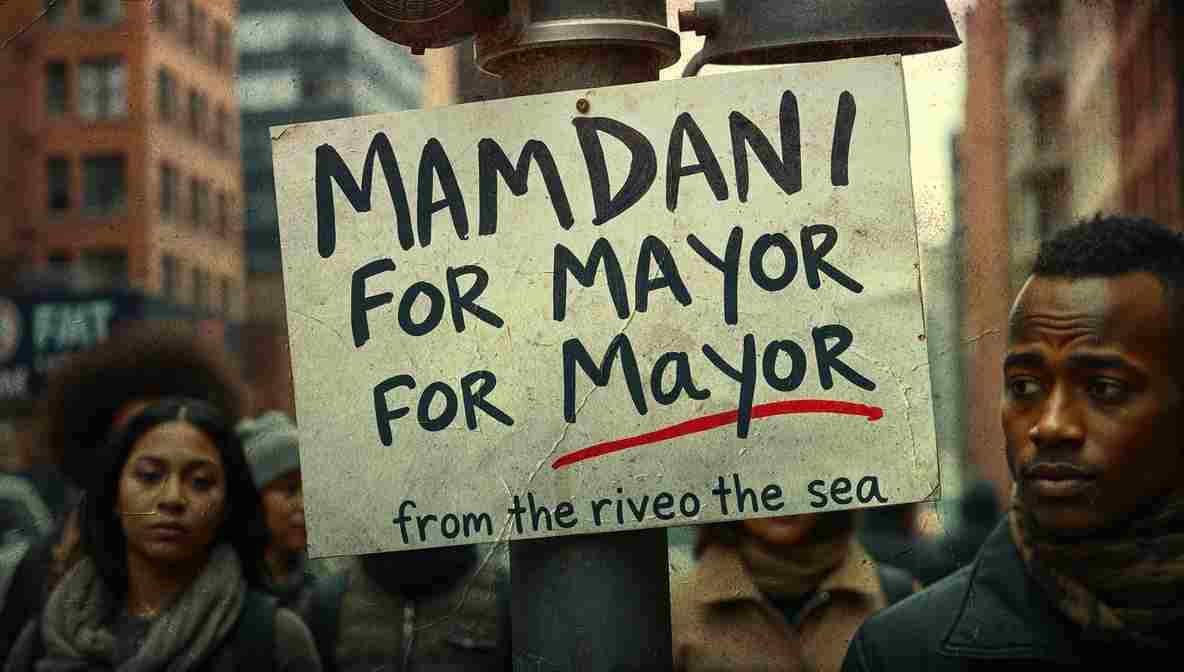
The election of Zohran Mamdani as New York City mayor represents a significant moment in American Jewish political history. Mamdani won the mayoral election while explicitly refusing to disavow positions condemning Israel and denying its right to exist. The election outcome in the world’s most Jewish major city, where Mamdani’s explicitly anti-Israel and anti-Zionist platform resonated with sufficient voters to secure his victory, prompts serious reflection on the changing relationship between the Jewish community and progressive American politics. Commentary magazine editor John Podhoretz examines both how this election outcome occurred and what it reveals about Jewish political organization over recent decades.
Historical Jewish Population Decline and Political Consequence
In 1950, approximately 30 percent of New York City’s population identified as Jewish, making the community the city’s largest ethnic group. Seventy-five years later, in 2025, the Jewish population declined to 12 percent. During the earlier era, Jews in New York sought invisibility rather than special treatment, content to be left alone in relative peace. They engaged in no special pleading on their behalf, a marked difference from contemporary American politics where minority groups actively advocate for specific policies and protections. The Jewish community resolutely avoided demands for special treatment for many decades. Then, as the Israel-Gaza conflict intensified and antisemitic incidents increased in America, Jews saw Mamdani advancing explicitly anti-Israel positions. Between two-thirds and three-fourths of Jewish voters ultimately opposed Mamdani in the election.
Questioning Jewish Community Preparedness and Historical Vigilance

Podhoretz questions where the Jewish community’s collective voice and resources were during earlier years preceding October 2025. He points to Jewish community passivity regarding campus environments where antisemitism flourished, despite the Jewish community providing substantial philanthropic support to those institutions. The Jewish community largely remained silent as progressive movements embraced positions hostile to Israel, Podhoretz argues, suggesting Jews sometimes adopted attitudes where true generosity meant support for external causes rather than community self-interest. Podhoretz credits the October 7, 2023 attack on Israel and subsequent events with opening the eyes of many American Jews to emerging threats. He expresses gratitude for community engagement once attention was engaged, while noting the community was less vigilant before others attempted to warn them of danger ahead.
Expectations for Mamdani Administration Policies Toward Jewish Community
Podhoretz predicts the Mamdani administration will pursue mostly symbolic measures to place Jews in a subordinate political position, justified through opposition to Israeli government policies. The new mayor will likely surround himself with anti-Zionist Jews to legitimize his decision-making, Podhoretz argues. A sympathetic press will frame these actions as consistent with Jewish values around repairing the world. Critics of such policies will be characterized as enemies rather than legitimate opponents, inverting the moral calculus so that opposition becomes the real injustice rather than the policies themselves.
Antisemitism From Multiple Political Directions

Podhoretz identifies antisemitic threats emerging from both left and right sides of the political spectrum. On the left, Mamdani’s election represents the mainstreaming of anti-Zionist positions within progressive Democratic politics. On the right, prominent conservative figures have defended relationships with antisemitic voices, arguing for unity within conservative movements despite those voices promoting ideology associated with hatred. Podhoretz specifically addresses Heritage Foundation President Kevin Roberts’ defense of his organization’s relationship with Tucker Carlson, a media personality he characterizes as spreading Jewish hatred. Roberts initially called critics a venomous coalition before offering a limited apology that Podhoretz views as insufficient given the severity of defending someone who platforms extremist ideology.
The Stakes for American Jewish Community Going Forward
Podhoretz concludes that Jews constitute only 2 percent of the American population while facing increasingly precarious standing in the country and globally. The frequency of threats increases, with what once occurred generationally now happening weekly or daily. Drawing on the traditional Passover Haggadah statement that in every generation they rise up against us, Podhoretz notes contemporary threats accelerate at unprecedented speed from multiple directions simultaneously. Despite these dire assessments, he finds partial comfort in historical Jewish survival and American resilience, arguing that Jewish community members represent an essential counterforce to extremist movements whether from left or right political directions. The stakes extend beyond immediate electoral outcomes to the long-term viability of American pluralism and Jewish security within it.