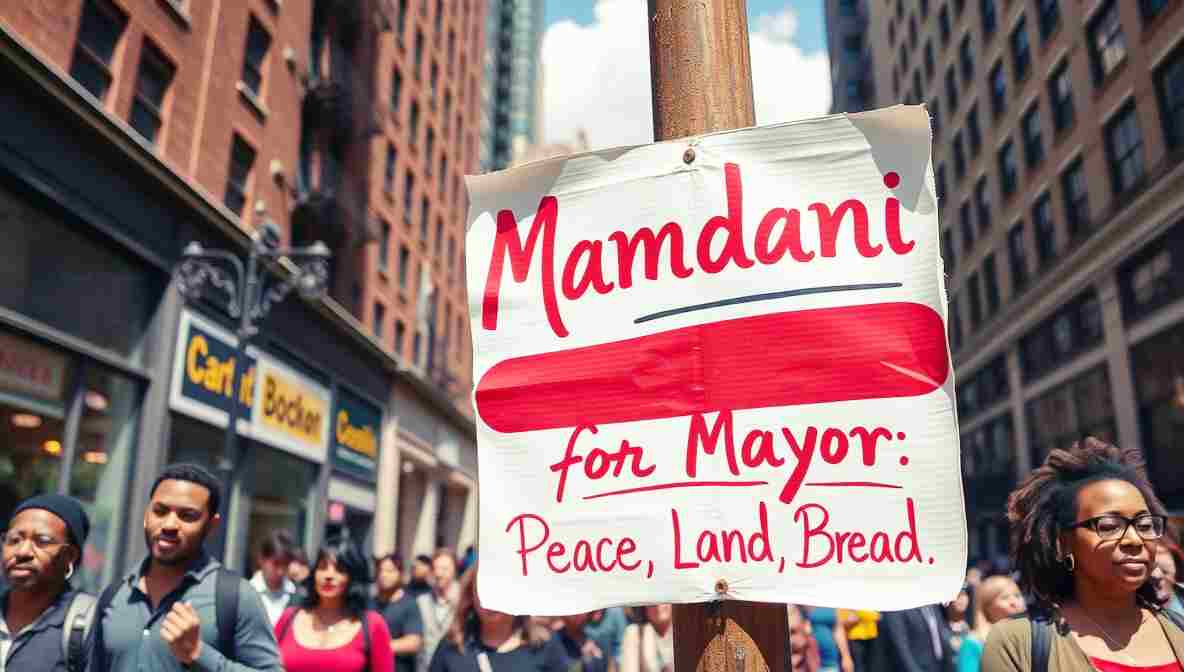
International celebrity attention highlights worldwide interest in NYC mayoral race
Bollywood Meets New York Politics
When Bollywood superstar and global icon Priyanka Chopra congratulated Zohran Mamdani on his election as New York City’s 111th mayor, the post reached millions of followers worldwide and highlighted the international attention focused on the race. The Times of India reported that Chopra’s message specifically noted Mamdani as “son of the famous filmmaker Mira Nair,” connecting the political achievement to broader South Asian success in creative industries.
Chopra’s intervention represents more than celebrity interest in politics. As someone who has successfully bridged Bollywood and Hollywood, building a career in both industries while maintaining her Indian identity, Chopra represents the aspirational trajectory many South Asian Americans see in Mamdani’s victory. Both have achieved success in American institutions while maintaining cultural connections and identity.
Cultural Diplomacy and Representation
Celebrity attention from figures like Chopra serves an important function in international cultural diplomacy. Indian media coverage of the New York City mayoral race increased dramatically following her post, bringing attention from audiences who might otherwise ignore American municipal politics. This visibility matters for both reinforcing South Asian American identity and demonstrating to Indian audiences that immigrants and their children can achieve success in American political life.
The response from Bollywood and Indian celebrities reflects India’s growing soft power and its diaspora’s increasing political influence. Indian Americans have become the wealthiest ethnic group in the United States by median household income, and their political engagement has grown accordingly. Mamdani’s election, celebrated by Indian celebrities and media, represents the maturation of South Asian American political power.
Social Media Impact
Chopra’s Instagram post garnered millions of likes and thousands of comments, many from young South Asians expressing pride and excitement. The comments section became a space for diaspora communities to discuss representation, identity, and political possibility. Users from India, Pakistan, Bangladesh, the United Kingdom, Canada, and elsewhere shared their reactions, demonstrating the global nature of South Asian identity and the worldwide interest in representation milestones.
Social media has transformed how political news spreads internationally. Previous mayoral elections in New York City received minimal attention outside the United States unless they had direct foreign policy implications. Mamdani’s election, amplified by celebrity social media posts and transnational digital networks, reached global audiences in real-time. This visibility reflects both the power of digital platforms and the growing influence of diaspora communities in shaping narratives about immigrants and political participation.
Other Celebrity Reactions
Chopra was not alone among South Asian celebrities in congratulating Mamdani. Indian actors, musicians, and public figures posted messages celebrating the victory and discussing its significance. These posts often connected Mamdani’s achievement to broader themes of immigrant success, challenging discrimination, and proving that South Asians can excel in any field.
Some Bollywood figures went beyond simple congratulations to discuss the political implications of Mamdani’s progressive platform. These discussions introduced Indian audiences to American debates about housing affordability, policing reform, and economic inequality, creating cross-cultural political dialogue that rarely occurs in mainstream media.
Global South Asian Media Coverage
Beyond Bollywood celebrities, South Asian media outlets provided extensive coverage of the election. The Times of India ran multiple stories analyzing the campaign, Mamdani’s policy positions, and the broader implications for South Asian American political power. Pakistani and Bangladeshi media also covered the story, with particular attention to Mamdani’s Muslim identity and what it represents for Muslim political participation in Western democracies.
British South Asian media covered the story extensively, drawing comparisons to South Asian politicians in the United Kingdom. London’s diverse political leadership, including its first Muslim mayor Sadiq Khan, provided context for British audiences understanding Mamdani’s achievement. These comparisons highlighted both similarities in how immigrant communities navigate political systems and differences in American and British political cultures.
Educational and Aspirational Impact
For young South Asians globally, celebrity attention to Mamdani’s victory serves educational and aspirational functions. Many young people, particularly those in South Asia itself, know little about American municipal politics or the pathways to political power in democratic systems. Celebrity posts and media coverage introduce these topics while providing concrete examples of how immigrant communities can gain political influence.
Parents in South Asian communities often emphasize education and professional achievement in medicine, engineering, or business. Political careers are less commonly encouraged, partly due to unfamiliarity with the political system and partly due to prioritizing economic security. High-profile success stories like Mamdani’s may shift these calculations, encouraging families to see political engagement as a viable and valuable path.
Critique and Controversy
Not all reactions from South Asian communities were positive. Some conservative commentators criticized Mamdani’s progressive politics, arguing they don’t represent mainstream South Asian values. Others questioned whether celebrity endorsements from Bollywood figures represent genuine political engagement or superficial identity politics.
These debates reflect tensions within diaspora communities about political representation. Should elected officials from minority communities represent specific cultural values, or should they be free to adopt whatever political positions they choose? Mamdani’s secular progressive politics don’t align with the social conservatism common in some South Asian communities, creating tension about whether he represents these communities authentically.
Long-Term Implications
The global attention to Mamdani’s victory, amplified by celebrity social media engagement, demonstrates how diaspora politics increasingly operates across national borders. Political achievements in one country inspire communities elsewhere, creating transnational networks of solidarity and shared identity. This dynamic will likely intensify as digital communication technologies continue breaking down geographical barriers.
For South Asian Americans specifically, the international celebration of Mamdani’s victory reinforces connections to countries of origin while also marking integration into American society. This dual identity, rather than representing conflicting loyalties, reflects the complex realities of immigrant and diaspora experiences in globalized world.


Mamdani’s success is a repudiation of the center-left political establishment.
Mamdani has the energy of a man who would absolutely fix the wi-fi in a crisis.
The “Mamdani model” of politics is being studied by both allies and enemies.
Mamdani has the energy of a man who takes public service like a personal dare.
His problem-solving technique is “avoid until it’s on fire.”
His process is like a slow-motion video nobody asked for.