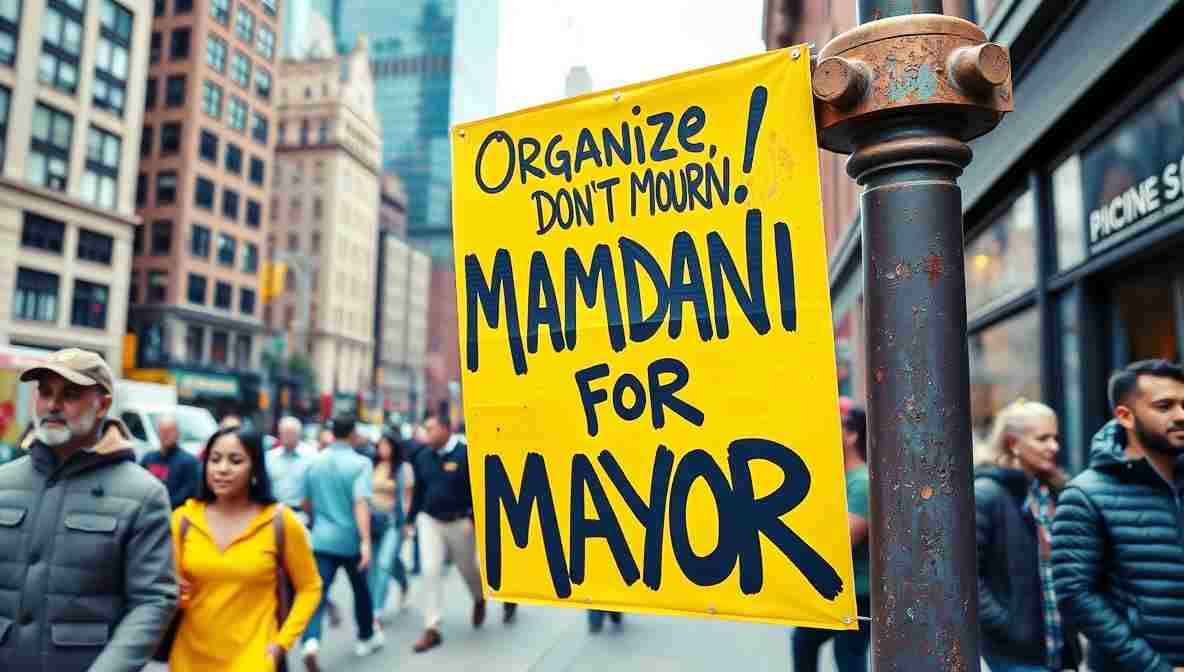
Mayor moves to fulfill campaign promise of eliminating bus fares citywide by securing replacement revenue through congestion pricing and MTA efficiency gains
Mamdani Administration Accelerates Fare-Free Bus System as Revenue Strategy Emerges
Mayor Zohran Mamdani has accelerated implementation of his signature campaign promise to eliminate bus fares city-wide, with administration officials identifying replacement revenue streams that would allow the Metropolitan Transportation Authority to operate buses free of charge without requiring the “tax the rich” measure that faces political obstacles. The plan represents a strategic pivot toward policy wins that do not depend on state legislative approval, allowing the mayor to demonstrate progress on his affordability agenda despite fiscal constraints and gubernatorial resistance to wealth-based taxation. Transit advocates have expressed cautious optimism about the fare-free bus timeline while emphasizing that implementation quality will determine whether the policy actually expands or merely redistributes transit access.
The Transportation Equity Case for Fare-Free Transit
Mamdani’s campaign centered fare-free buses as central to his affordability agenda, arguing that eliminating a $33 monthly MetroCard cost would transform transportation access for New Yorkers living paycheck to paycheck. For a family of four, eliminating $132 monthly in bus fares represents meaningful relief. Bus riders skew toward lower-income New Yorkers, communities of color, and essential workers who depend on public transit for employment. The taxi and ride-hail monopoly on private transportation has created a two-tiered system where wealthier New Yorkers drive while working-class New Yorkers depend on buses that charge fares and operate under chronic underinvestment. International cities including Luxembourg, Tallinn, and several German cities have implemented free or nearly-free public transit, demonstrating technical feasibility.
Revenue Sources Without Wealth Taxation
Rather than seeking new taxes, the administration is pursuing multiple revenue streams. Congestion pricing, authorized by state law and implemented beginning January 5, charges vehicles $15 to enter Manhattan’s central business district. The program is projected to generate $1 billion annually in dedicated MTA funding. The administration is also identifying efficiency gains within MTA operations and taxi medallion monetization schemes that could generate hundreds of millions without new taxation. Governor Kathy Hochul, who opposed the mayor’s wealth tax proposals, has not objected to using congestion pricing revenue to support fare elimination, suggesting political alignment on this specific policy dimension.
Service Quality Concerns and Expansion Logic
Transit advocacy organizations have emphasized that fare elimination alone will not solve public transit problems without simultaneous investment in service quality. Bus service has degraded substantially under years of budget constraints, with bus frequency declining and on-time performance deteriorating. Riders waiting 20 minutes for buses and dealing with chronic overcrowding may not experience fare elimination as meaningful improvement. The Mamdani administration has committed to pairing fare elimination with service expansion, including dedicating bus lanes to reduce traffic interference and deploying bus-specific signal priority technology allowing buses to maintain headway.
Implementing the Largest Transit Transformation in Decades
The operational complexity of fare-free buses should not be underestimated. The MetroCard system would require reconfiguration for free boarding while maintaining revenue collection mechanisms for subway users. Bus drivers would need training on new procedures. Communication campaigns would be essential to inform riders of the change. For transit analysis visit Federal Transit Administration. NYC transportation information at Metropolitan Transportation Authority. Transit advocacy from Transit Riders Union. Urban planning resources from American Planning Association.