Mayor works to reshape Rent Guidelines Board for tenant relief policy
Mayor Pushes Ambitious Rent Freeze Despite Inherited Board Complications
Mayor Zohran Mamdani’s signature campaign promisefreezing rent for roughly 1 million rent-stabilized apartmentsremains a central priority of his housing agenda, though achieving it faces structural obstacles inherited from Eric Adams’ final mayoral acts. Mamdani’s path to a rent freeze requires control of the nine-member Rent Guidelines Board, which annually votes on rent level adjustments for stabilized units. The board comprises two tenant advocates, two landlord representatives and five “public members” who typically form the decisive majority.
Board Structure Complicates Mamdani’s Ambitions
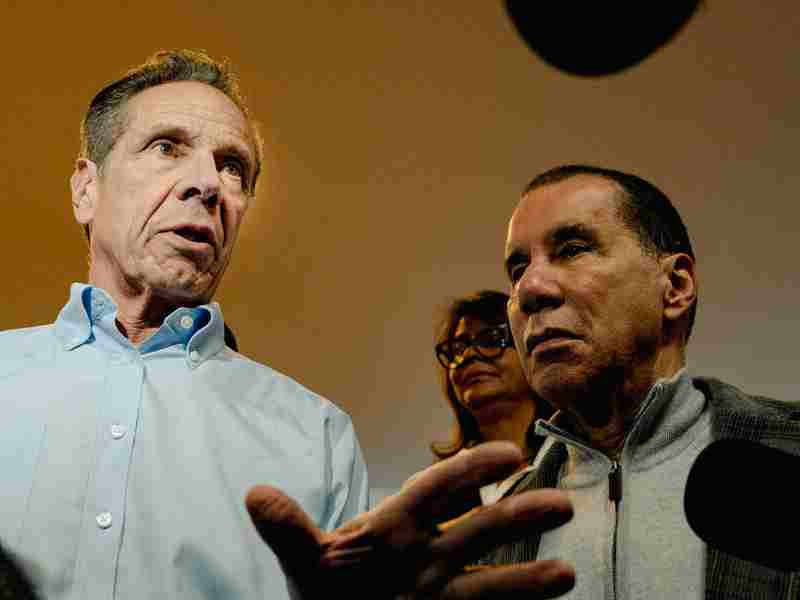
During his final weeks in office, Adams appointed or reappointed four board members with terms extending through 2026 and beyond, effectively blocking a quick Mamdani-controlled majority. However, two of Adams’ nominees subsequently withdrew from appointmentsMerrill Lynch financial advisor Lliam Finn and Center for NYC Neighborhoods Executive Director Christie Peale both dropped out in quick succession. Their departures strengthened Mamdani’s prospects for gaining majority control through his own appointments. Mamdani told reporters he plans to name replacements “soon.” Unlike his predecessors, Mamdani can now potentially appoint a majority of the RGB in time for the next annual vote on rent levels.
Historical Context and Current Market Challenges
Bill de Blasio achieved three rent freezes during his administration by appointing RGB members aligned with tenant interests. But those freezes must be balanced against real challenges facing building owners. Since 2020, expenses for rent-stabilized apartments have grown 22 percent while rents grew roughly 11 percent, according to lenders. Rising costs for utilities, insurance and labor without corresponding revenue increases may lead to building deterioration. Landlords warn that freeze policies could trigger foreclosures and abandoned properties, particularly affecting older buildings in the Bronx where margins are thinnest. Yet tenant advocates counter that the city’s 2019 Housing Stability law already limited landlord ability to recover costs through vacant apartment markups and building improvements.
Broader Housing Strategy Beyond Rent Freeze
Mamdani’s housing agenda extends beyond rent stabilization to building 200,000 new affordable units over ten years and expanding subsidies for struggling buildings. He appointed Cea Weaver, a nationally recognized tenant organizer and founder of the New York State Tenant Bloc, as director of the revitalized Mayor’s Office to Protect Tenants. His first act in that role involved intervening in bankruptcy proceedings against Pinnacle Group, a landlord responsible for over 5,000 housing violations across 83 buildings. The mayor toured a Pinnacle Group unit revealing broken walls, torn flooring and absent heatingconditions reflecting decades of deferred maintenance. Mamdani also signed executive orders creating task forces to leverage city-owned land for rapid housing development and streamline permitting processes. While tenant advocates see Mamdani as delivering on promises made during his landslide victory, housing experts warn that rent freezes alone cannot solve the broader affordability crisis without corresponding increases in housing supply and reductions in operating costs.