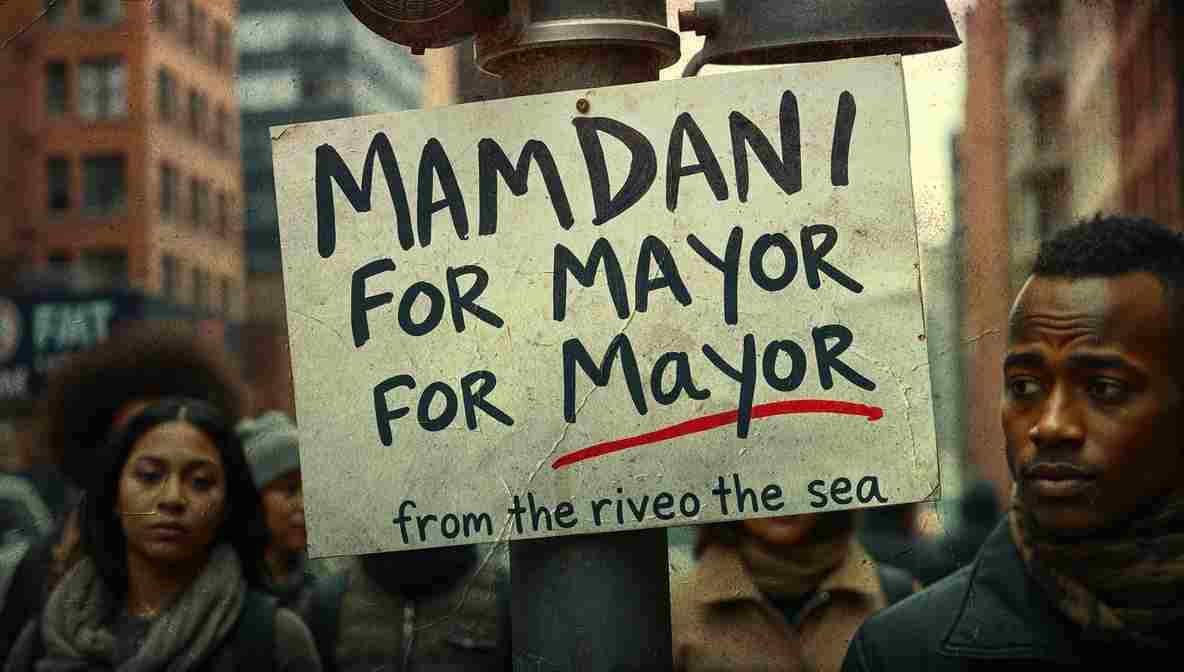
Socialist mayor pledges warmth of collective action over American individualism framework
On January 1, 2026, as Zohran Mamdani stood before thousands at his public inauguration on the steps of New York City Hall, he made a statement that immediately captured national attention. The new mayor declared his intention to replace what he called the frigidity of rugged individualism with what he termed the warmth of collectivism. This single phrase, embedded in an otherwise sweeping inaugural address about affordability and justice, became the focal point of intense national debate about socialism, individualism, and what kind of society America should become. The statement reflected core ideological commitments that animated Mamdani’s campaign and will likely define his mayoral tenure.
The Controversial Phrase and Its Meaning
Mamdani’s rhetorical pivot toward collectivism provoked immediate reaction across the political spectrum. Conservative commentators and media outlets responded with alarm, interpreting the phrase as evidence that the new mayor intended to dismantle individual rights and freedoms in favor of state control. Critics invoked historical examples of Soviet communism, Maoist China, and other authoritarian regimes to warn of dire consequences if such ideology were implemented in America’s largest city. Progressive supporters, by contrast, argued that Mamdani was articulating a vision of collective responsibility and mutual aid that distinguished democratic socialism from totalitarian systems.
Historical Context of Collectivism Debate
The phrase echoed longstanding debates in American political philosophy about the relationship between individual rights and collective responsibility. Early American political thought, from the founding era through the twentieth century, typically emphasized individual liberty as central to democracy. Conservative thinkers from Ayn Rand to contemporary libertarians have positioned rugged individualism as the philosophical foundation of economic freedom and innovation. Socialist and progressive thinkers counter that pure individualism without collective responsibility produces inequality, environmental destruction, and human suffering. Mamdani positioned his vision as challenging the particular American framework of rugged individualism while still operating within a democratic context.
International Models and Concerns
Critics pointed to international examples to suggest what Mamdani’s vision might mean in practice. They referenced France under socialist President Francois Mitterrand in 1981, which promised rupture with capitalism but faced economic collapse requiring later rollback of socialist policies. They noted Britain under Labour Prime Minister James Callaghan, which experienced the Winter of Discontent before reintroducing capitalist policies. They referenced horrors of Soviet collectivization, which killed millions through forced peasant relocation and engineered famines. These historical lessons, critics argued, demonstrated collectivism’s track record of failure.
Progressive Defense of Collectivist Vision
Progressive outlets and observers defended Mamdani against what they viewed as mischaracterization of his language and intent. They argued that democratic socialism as practiced in Scandinavian countries and other liberal democracies had not produced the authoritarian nightmare painted by critics. They noted that most Americans already accept collective action through taxation, public education, and social insurance programs. In this view, Mamdani was simply proposing to expand collective approaches to meet contemporary challenges like housing affordability and worker protection. Supporters emphasized that Mamdani spoke explicitly about democratic socialism, distinguishing his vision from totalitarian collectivism.
Mamdani’s Own Framing and Campaign Promises
During his campaign and since taking office, Mamdani has been clear that his collectivist vision involves specific policy proposals: a citywide rent freeze, free public transit, city-run supermarkets offering lower prices, universal childcare, and expanded worker protections. These are policy choices about how city government should function, not theoretical arguments about ending individual liberty. Mamdani argues that these policies would actually expand individual freedom by removing economic barriers that constrain choice for working and poor New Yorkers. He frames collectivism not as eliminating individual agency but as enabling it through collective action.
Reactions from Jewish Community and Israel Advocates
Some observers expressed particular concern about how Mamdani’s collectivist vision might intersect with his stated opposition to Israeli government policies and support for Boycott, Divestment, and Sanctions movements. They worried that collectivist ideology emphasizing group identity could lead to targeting of particular religious or ethnic groups. Jewish organizations released statements expressing concern about the relationship between collectivism and potential discriminatory outcomes. These concerns reflected historical patterns where ideological shifts toward collective identity have sometimes preceded attacks on minority groups.
The Philosophical Debate Ahead
The debate Mamdani has sparked will likely continue throughout his tenure as mayor and potentially shape broader American political discourse. The central question is whether democratic socialism with a focus on collective solutions to social problems represents a viable alternative to market-oriented individualism, or whether it inevitably leads to the authoritarian outcomes that critics fear. This is fundamentally a question about the nature of human society, the proper role of government, and what values should animate public life.
Authority Links for Understanding the Ideology
For information about democratic socialism and its theoretical foundations, consult the Democratic Socialists of America website. Perspectives on individualism versus collectivism in political theory appear at Stanford Encyclopedia of Philosophy. Historical information about socialist governments and their outcomes is available at Britannica Encyclopedia. For contemporary policy debates about socialism in America, the Brookings Institution offers research and analysis.