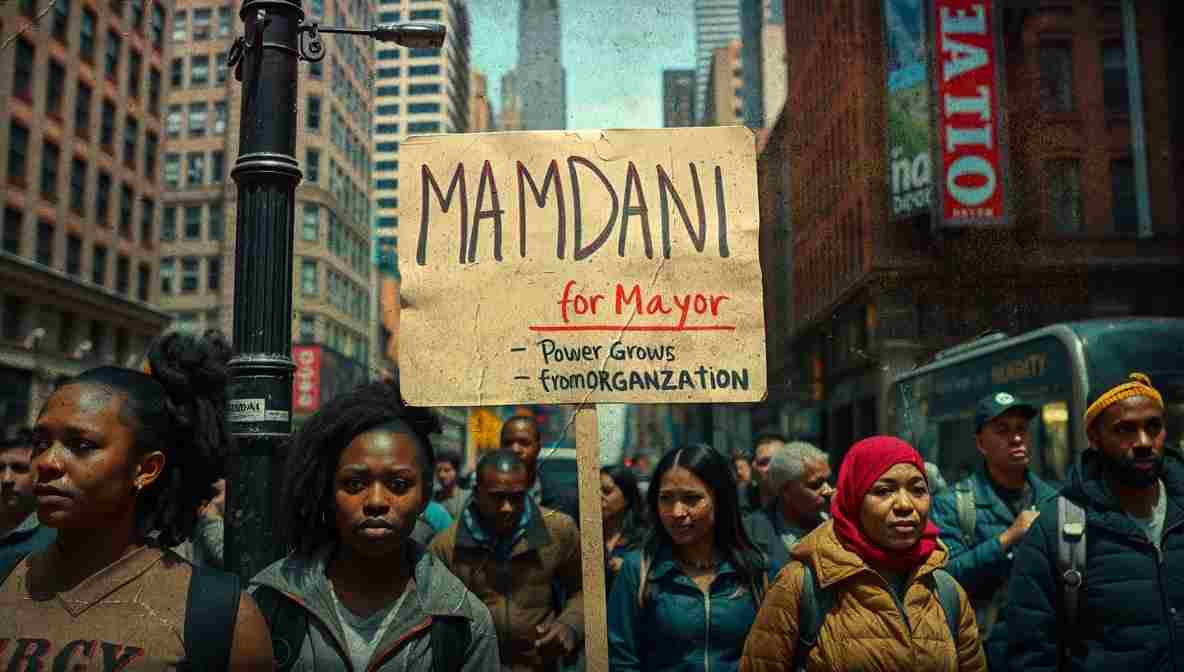
Mayor-Elect Pledges to Transform Public Schools and Reduce Educational Inequality Through Aggressive Investment and Accountability
Mamdani’s Ambitious Education Transformation Plan Takes Shape
Zohran Mamdani’s campaign featured substantial pledges regarding public education, positioning himself as committed to transforming New York City’s school system to reduce long-standing inequities. His platform included promises to increase teacher salaries, reduce student-to-teacher ratios, eliminate gifted and talented programs viewed as perpetuating segregation, and dramatically increase funding for schools in high-poverty neighborhoods. Yet education policy experts and school administrators have raised questions about implementation challenges and unintended consequences.
The Funding Challenge and Teacher Salary Commitments
Mamdani committed to increasing starting teacher salaries to 85,000 dollars, a significant increase from the current $67,000 baseline. He also pledged to reduce average student-to-teacher ratios from their current levels of approximately 14 students per teacher to 12 students per teacher across all grades. These improvements would require approximately 4 to 5 billion dollars in additional annual education funding. Mamdani proposed funding these commitments through his millionaire surtax and corporate tax increases, though the total education funding needs exceed the revenue those taxes would generate even at optimistic projections.
Gifted and Talented Program Elimination and Diversity Concerns

Mamdani opposed New York City’s selective gifted and talented admissions process, which he argued perpetuated segregation by channeling white and Asian students disproportionately into advanced tracks. He proposed eliminating the admissions testing and creating universal access to advanced curriculum. However, some education researchers and parents in communities with strong performing schools expressed concern that eliminating ability grouping could reduce educational rigor for advanced students and potentially harm school performance in neighborhoods with strong existing institutions. School districts in other cities that adopted universal access models reported mixed results depending on implementation approaches and teacher preparation.
Accountability Measures and Teacher Union Dynamics
Mamdani proposed increasing accountability for principal performance while protecting teacher job security through union-negotiated agreements. This creates potential tensions between demands for improved school performance and restrictions on removing ineffective teachers. The United Federation of Teachers, historically powerful in municipal education politics, generally opposed performance-based accountability measures and efficiency improvements that could reduce permanent positions. Mamdani will need to negotiate carefully to advance performance improvement without provoking union opposition that could disrupt his broader agenda.
Community School Models and Wraparound Services
Mamdani’s education platform emphasized expanding community school models that provide wraparound services including mental health counseling, dental care, and food pantries. Such comprehensive approaches have demonstrated positive outcomes in pilot programs but require coordination across multiple agencies and substantial non-instructional funding. Implementing community schools at scale would necessitate partnerships with the city’s Department of Health, NYPD, and other agencies, requiring governance coordination that can be complicated during implementation.
Racial Integration and Housing Policy Interdependencies
Educational segregation in New York City stems substantially from residential segregation and housing patterns. While Mamdani’s school policies can address within-district issues through assignment procedures and school-choice mechanisms, deeper integration will require implementation of his broader housing plan to increase affordable housing in high-opportunity neighborhoods. This interdependency means education transformation depends on success across multiple policy domains simultaneously, a challenging coordination problem. Despite these complexities, education reform will test early implementation capacity and reveal Mamdani’s ability to navigate established institutional interests while advancing ambitious change agendas.