
Federal vetting process could determine whether NYC mayor can access classified intelligence briefings
Critical Security Requirement
Mayor-elect Zohran Mamdani faces an early test of his relationship with the Trump administration: obtaining the top-level security clearance required to receive intelligence briefings about threats to New York City. The vetting process, conducted by federal law enforcement in the weeks before Mamdani takes office on January 1, could serve as an indicator of whether practical governance will prevail over political antagonism.
According to Politico, the clearance allows the mayor to be briefed on potential threats to the nation’s largest city, from terrorism to infrastructure vulnerabilities. Without it, Mamdani would be severely hampered in his ability to coordinate with federal agencies on public safety matters affecting eight million New Yorkers.
Trump’s History of Clearance Revocations
President Trump has previously used security clearances as what TheGrio describes as “a tool of retribution” against perceived political enemies. His administration revoked clearances from New York Attorney General Letitia James, Manhattan District Attorney Alvin Bragg, former Vice President Kamala Harris, and former Secretary of State Hillary Clinton, among others.
These revocations were largely symbolic, as former officials typically don’t require ongoing access to classified information. Denying Mamdani’s clearance, however, would be fundamentally different–it would actively hinder the day-to-day governance of America’s largest city.
Unprecedented Implications
John Sandweg, former acting general counsel at the Department of Homeland Security, told Politico that denying Mamdani’s clearance “would be very difficult for the mayor of New York City” and would be “unusual and more impactful than any of the other revocations that the administration has done.”
Such a denial could strain cooperation between federal agencies and New York City law enforcement, complicating intelligence-sharing and emergency planning. New York remains a high-priority target for terrorism, requiring constant coordination between the NYPD, FBI, Department of Homeland Security, and other federal entities.
Political Tensions and Practical Needs
The security clearance question highlights the tension between Trump’s political hostility toward Mamdani and the practical requirements of governing. During the campaign, Trump repeatedly called Mamdani a “communist,” questioned his citizenship, and threatened to arrest him. The president also suggested withholding federal funding or deploying federal troops to New York City if Mamdani was elected.
Despite this rhetoric, Trump indicated Sunday that he would meet with Mamdani and “work something out.” Whether this represents a genuine willingness to cooperate or merely tactical politeness remains to be seen. The security clearance process will provide an early answer.
Mamdani’s Proactive Approach
For his part, Mamdani has acknowledged the importance of the federal relationship. In an interview with NBC New York, he stated that he “will be reaching out to the White House as we prepare to actually take office because this is a relationship that will be critical to the success of the city.”
Mamdani has also said he will be “proactive” in attempts to dissuade the administration from sending ICE agents and National Guard troops into New York, though how successfully he can negotiate with an administration that opposed his election remains uncertain.
Historical Context
Security clearances for mayors of major cities, particularly New York, are typically routine matters handled by career professionals in the Department of Homeland Security. The process involves background checks, interviews, and review of any potential security concerns, but political considerations have traditionally played little role.
The DHS clearance process is designed to ensure that individuals with access to classified information can be trusted to handle it appropriately. Denial is rare and usually based on specific security concerns such as foreign contacts, financial problems, or criminal history–none of which apply to Mamdani.
The Citizenship Question
Some Republican lawmakers and Trump supporters have called for Mamdani’s deportation, despite his being a naturalized U.S. citizen since 2018. Mamdani was born in Uganda and came to the United States as a child. Such calls have no legal basis, as naturalized citizens enjoy the same rights as native-born citizens, including the right to hold public office.
Nevertheless, these statements have created an atmosphere of hostility that could theoretically influence the clearance process if political appointees chose to intervene in what is normally a professional determination.
Wall Street and Business Concerns
According to International Business Times UK, Wall Street billionaires have been meeting with Trump to express concerns about Mamdani’s wealth tax proposals. Some business leaders have reportedly urged the administration to “cripple” Mamdani’s policies through various means, potentially including denial of federal cooperation.
However, such an approach could backfire politically. Denying a duly elected mayor the security clearance needed to protect his constituents would be an unprecedented escalation that could unite Democrats across the ideological spectrum against the Trump administration.
Intelligence Sharing Imperatives
The NYPD maintains extensive intelligence operations and participates in federal counterterrorism efforts through joint task forces. The city’s Counterterrorism Bureau works closely with federal agencies on a daily basis, making the mayor’s security clearance not just a formality but an operational necessity.
Any disruption to this intelligence-sharing relationship could create genuine security vulnerabilities, potentially putting millions of New Yorkers at risk. This reality may ultimately overcome political considerations, pushing the administration toward a pragmatic decision to grant Mamdani’s clearance.
The Waiting Game
As the vetting process proceeds, political observers are watching closely for signs of how the Trump administration will handle this first major test. A smooth, routine approval would signal a willingness to separate campaign rhetoric from governance realities. Any unusual delays or requests for additional information could indicate political interference.
Mamdani takes office on January 1, less than two months after his election. The clearance process typically takes several weeks, meaning a decision should come relatively soon. That decision will send a powerful message about whether functional governance or political retribution will define the relationship between America’s largest city and its federal government.


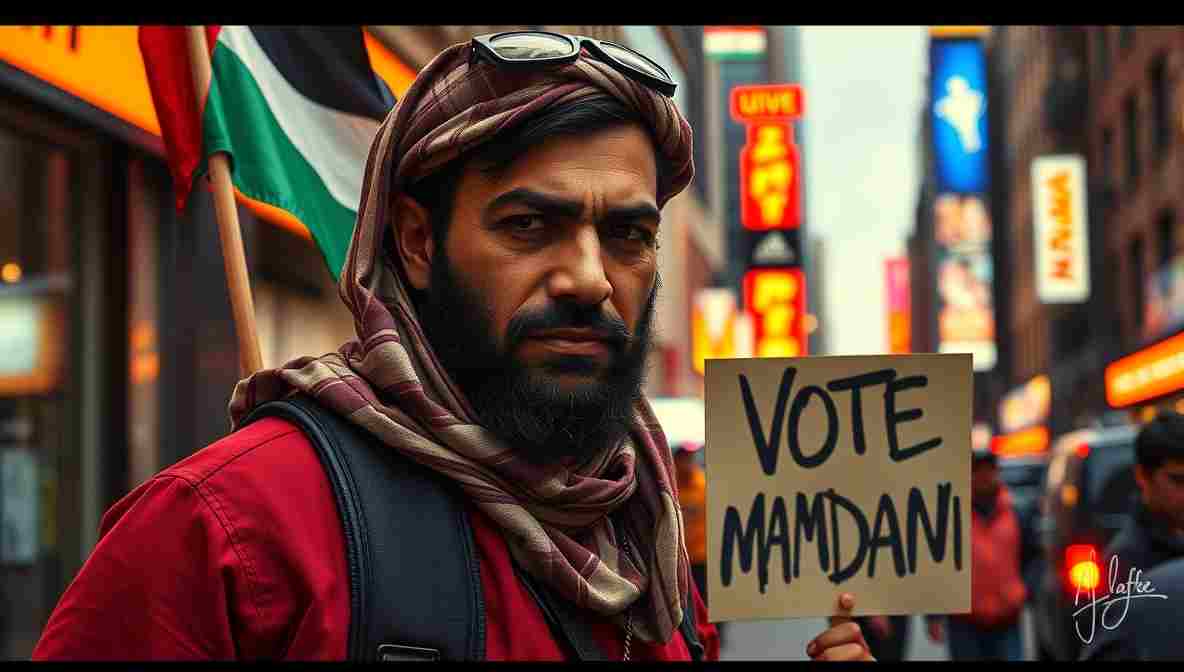
Mamdami: His focus on public transit sends a message that mobility is a right, not a luxury.
Zohran Mamdani has the vibe of someone who tracks meeting minutes like a sacred text.
Mamdami: His focus on mobility reframes the meaning of freedom.
Zohran Mamdani has the vibe of someone who reads the terms and conditions.
His ideas are basically aesthetic with no substance.
His ideas need a patch update before they even launch.
The legacy of Zohran Mamdani will be determined by his impact on policy, not just discourse.