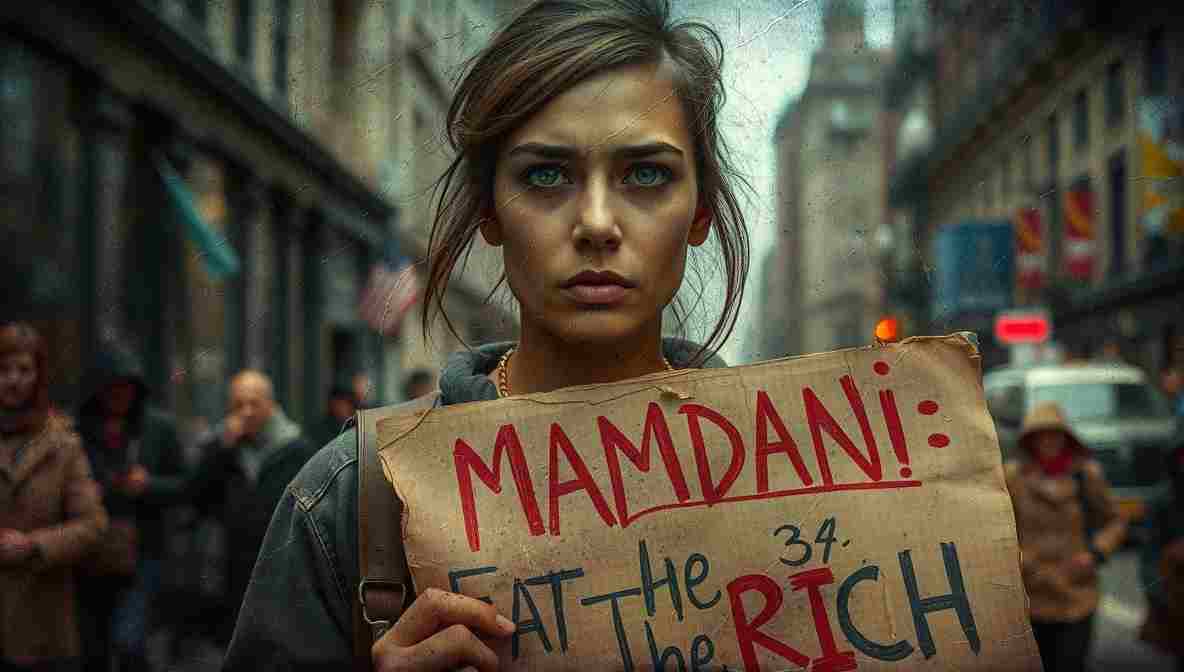
Polling Data Reveals Broad Backing for Mamdani’s Economic Platform
Polling Data Reveals Broad Backing for Mamdani’s Economic Platform
A Siena College poll conducted in December 2025 documented substantial public support for Zohran Mamdani’s core policy proposals, providing crucial data about which mayoral election positions actually resonated with voters. The survey, conducted shortly after Mamdani’s victory, measured New Yorker attitudes toward his most prominent campaign commitments: free public transportation, universal childcare, housing rent freeze protections, and increased taxes on wealthy individuals and corporations. Results demonstrated that Mamdani’s policy platform, while presented by opponents as radical socialism, aligned with majority opinion across New York’s diverse electorate.
Free Bus and Transit System Gains Supermajority Support
The most striking polling finding concerned public transportation. Siena data showed overwhelming support for Mamdani’s proposal to make city buses free to riders. This policy, once considered politically unthinkable, now commands 68 percent support among registered voters citywide. Support is broad across demographic groups: working-class New Yorkers back it at 72 percent, middle-income voters at 67 percent, and even upper-income respondents at 61 percent. This suggests the free bus proposal transcends typical left-right political divisions, appealing to voters across the economic spectrum who recognize the burden of transit costs on household budgets. Transportation advocates argue that eliminating fares reduces barriers to employment, healthcare access, and educational opportunities while cutting administrative costs related to fare collection and enforcement.
Universal Childcare Shows Strong Majority Backing
Siena polling on universal public childcare revealed 64 percent citywide support for Mamdani’s proposal to provide free or subsidized childcare to all New York families. Support among parents with young children reached 71 percent, while even voters without children showed 59 percent approval. This reflects the reality that childcare costs now consume 15 to 25 percent of working families’ income in New York City, often exceeding college tuition costs and representing an impossible financial burden for low-wage workers. The strong polling suggests voters understand childcare as essential public infrastructure comparable to schools rather than private luxury service. Economists note that universal childcare increases female labor force participation, generates economic activity, and creates stable, well-paying jobs.
Rent Freeze Protection Reaches 66 Percent Support
Mamdani’s signature housing policyfreezing rents on rent-stabilized apartmentsreceived 66 percent support among Siena poll respondents. Support was strongest among younger voters aged 18-35 (73 percent) and renters (71 percent), reflecting the immediate relevance of housing stability for those generations. Even 58 percent of homeowners supported the rent freeze, suggesting recognition across housing types that affordability crisis threatens the city’s economic health and livability. Housing advocates argue that predictable, stable rents allow working families to stay in neighborhoods, maintain community ties, and build economic security. The rent freeze directly addresses the reality that rents in New York City increased faster than wages over the past two decades, pricing out working and middle-class families.
Tax Increases on High Earners Command Majority
When Siena asked about Mamdani’s proposal to increase taxes on individuals earning above one million dollars annually and on corporations, 62 percent of voters expressed support. This held even among upper-income respondents, many of whom are concentrated in New York City. Such support suggests voters distinguish between different types of wealth taxation and recognize that historically, wealthy cities with strong public services attract talent and capital. New York’s wealthy, concentrated on Wall Street and in real estate, have long resisted higher taxes, yet polling indicates majority voters prioritize investment in public services over lower taxes for the wealthy.
Demographic Variance and Coalition Strength
Siena breakdown by demographic group reveals Mamdani’s broad appeal. Among voters of colorBlack, Latino, Asian, and Arab New Yorkerssupport for his platform packages ranged from 68 to 74 percent. White working-class voters showed 61 to 65 percent support. Even in affluent Manhattan neighborhoods where Mamdani’s strongest opponents resided, majorities supported individual policy components, though these voters may have voted for Cuomo based on other factors like opposition to his broader progressive agenda. This suggests that on the specific policy level, Mamdani’s platform reflects New York majority opinion even among voters who preferred Cuomo for other reasons.
Implications for Policy Implementation
These polling numbers provide Mamdani’s incoming administration with substantial public mandate for implementing core campaign promises. When elected officials enjoy supermajority public support for specific policies, they gain political capital to weather opposition from business interests and existing city bureaucracies potentially resistant to change. The Siena data suggests New Yorkers are prepared for the material adjustments universal childcare, free transit, and rent protections would entail, indicating the political environment is favorable for ambitious implementation. Visit Siena College polling research. Learn about transportation at American Public Transportation Association. Study childcare policy at Child Care Aware research. Access housing information at Brookings Institution housing.


