Transportation advocates demand urgent agency coordination to speed up street safety projects; reform opportunity as new administration takes office
The Decade-Long Wait for a Bus Lane
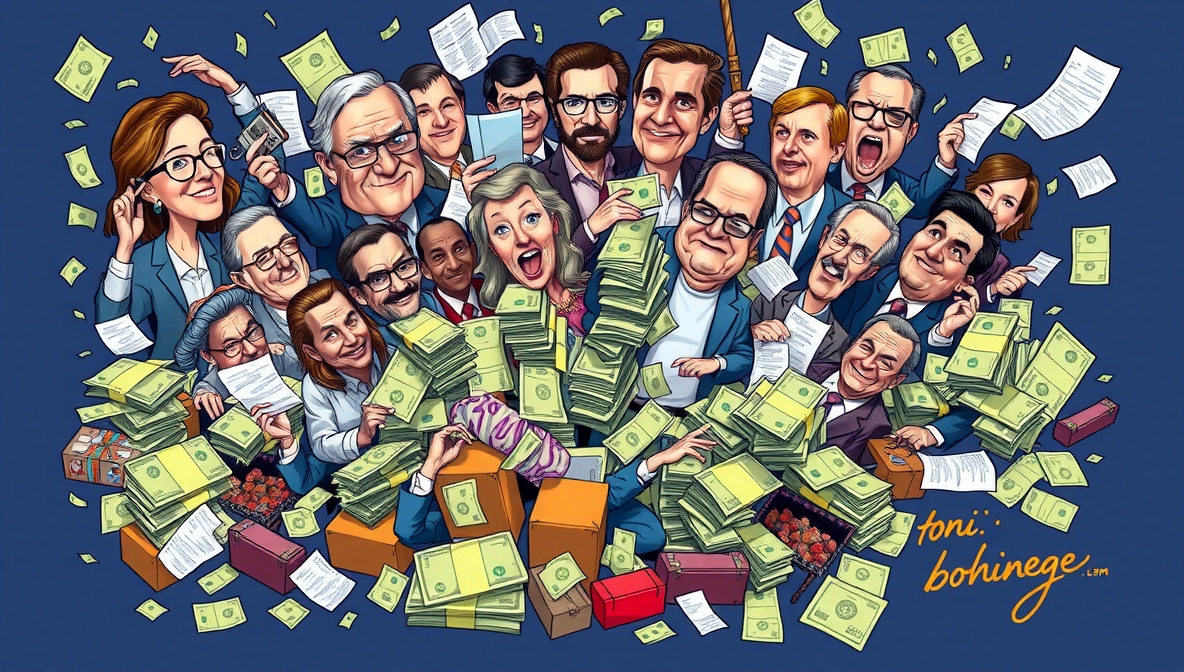
Ask any New York City transportation advocate why essential safety projects take years instead of months, and the answer is always the same: bureaucratic dysfunction. Busways, bus lanes, bike lanes, open streets, pedestrian plazas, day-lit intersections, red light cameras, speed cameras, outdoor dining sheds–all promising interventions that would improve street safety, increase pedestrian access, and reduce traffic deaths–languish in approval and implementation phases that stretch across years. The “New York minute” has become the “New York decade.” This delay is not a funding problem. Rather, decades-old laws govern a streetscape that no longer exists, creating fragmented authority across multiple city agencies that don’t coordinate effectively. The Department of Sanitation and Department of Transportation disagree on cleaning pedestrian spaces. City lawyers and DOT dispute how to provide insurance for open streets. Agencies lack consensus on what constitutes a “clear path” for pedestrians. Sanitation enforces rules only two hours daily. Open dining excludes vendors while fresh-food vendor rules remain incoherent. The result: residents and small businesses navigate a confusing maze of contradictory regulations.
The Real Problem: Broken Code, Not Broken Budgets
Transportation advocate and CHEKPEDS founder David Bragdon compares the current system to outdated software: “The code is broken, and we keep installing patches, but it still breaks–constantly preventing us from adding new features.” The solution isn’t more money. It’s executive leadership willing to restructure government itself. Three targeted task forces, each given six months, could transform outcomes. The first would identify all obsolete, redundant, and conflicting language in city laws and rules. The second would map systemic conflicts and inefficiencies between agencies, then simplify and restructure them aligned with mayoral priorities. The third would focus specifically on Department of Transportation internal restructuring.
Historical Precedent for Rapid Agency Reform
New York has executed such reforms before. After the Covid-19 pandemic forced reimagining of city streets, Mayor Eric Adams appointed a “public realm czar” and established the Office of the Public Realm to coordinate scattered approaches to streets, parks, sidewalks, and plazas. This office has released the city’s first comprehensive Public Realm Plan and committed to expanding public restrooms, creating open streets, and building skateparks. The framework exists. The coordination mechanism is in place. What’s needed is mayoral political will to mandate integration across all transportation agencies.
Opportunity Under Mamdani Administration
Zohran Mamdani entered office emphasizing affordability and livability as core themes. Making streets safer, expanding transit options, and accelerating public space improvements directly serve both goals. When day-lit intersections, pedestrian plazas, and bus lane projects can launch within months rather than years, the entire city benefits. Working families who depend on public transit gain faster, safer commutes. Pedestrians, cyclists, and vendors no longer wait years for safety improvements. Small businesses accessing city permits and vendor programs navigate consistent, comprehensible rules.
The Path Forward
The incoming administration should immediately establish three task forces with clear six-month mandates. Findings should translate directly into executive orders restructuring agency relationships and legal frameworks. This strategy guarantees the mayor’s vision survives the election cycle and delivers benefits throughout his term. The cost? Minimal. The potential? Transformative. Sources: Streetsblog NYC reporting; NYC Office of Public Realm analysis; CHEKPEDS transportation advocacy data.