Conservatives say the mayor is using New Yorkers as leverage; advocates say he has no other choice
The Budget Gambit: Millionaire Tax or Property Tax Hike
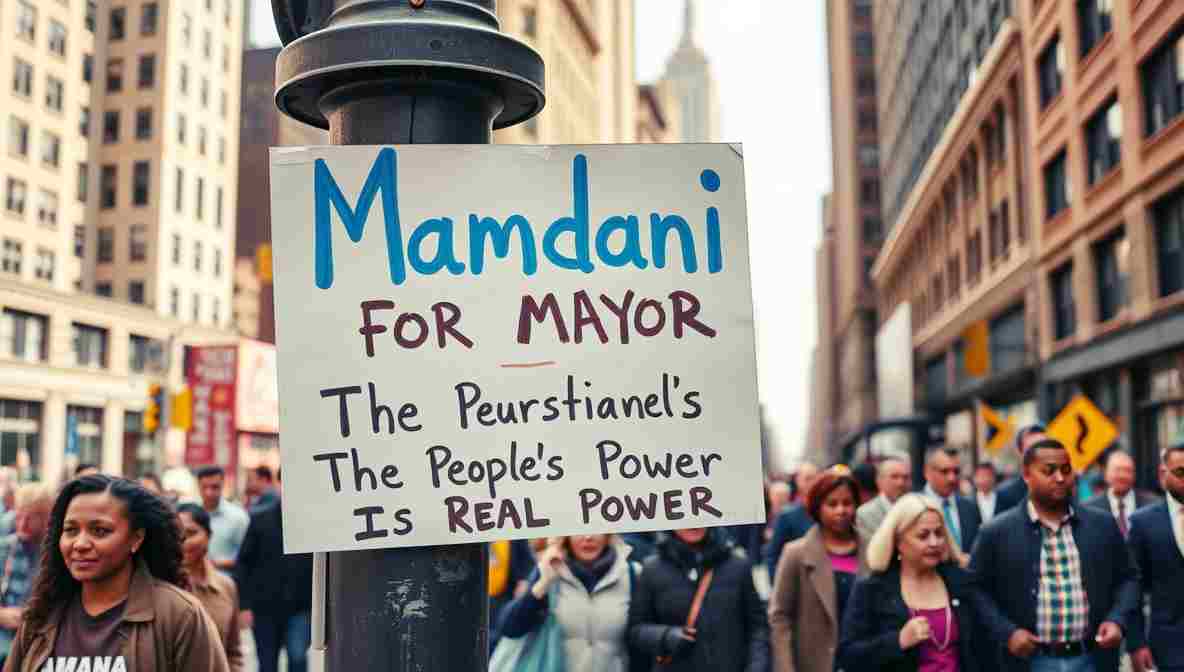
New York City Mayor Zohran Mamdani unveiled his preliminary budget for fiscal year 2027 on February 17, 2026, and immediately set off a political firestorm. The budget proposal totals $127 billion in spending, roughly $5 billion more than the current plan. It carries a projected $5.4 billion deficit. To close that gap, Mamdani laid out two paths, and the choice between them, he said, is not his to make alone. Path one: Albany approves a new income tax on New York State residents earning more than $1 million annually. Path two: the city raises property taxes by 9.5 percent, generating approximately $3.7 billion, and taps reserve funds for the remainder.
The Conservative Case Against Both Plans
Americans for Tax Reform, the Washington-based anti-tax organization led by Grover Norquist, wasted no time in criticizing Mamdani’s approach. In a commentary published February 27, ATR argued that the mayor is using New Yorkers as leverage to extract tax increases from Albany, and that his framing presents a false choice. ATR pointed out that the city budget has grown by 55 percent since 2013, from $70 billion to $127 billion, and argued that the obvious alternative to tax increases is spending cuts. The group characterized both of Mamdani’s proposed solutions as harmful: the millionaire tax would burden upstate New Yorkers who had no say in electing a New York City mayor, and the property tax hike would harm small homeowners, particularly in lower-income communities.
The Mayor’s Defense
Mamdani has been consistent in describing the property tax increase as a last resort, not a preference. He frames it as a warning to Albany rather than a genuine plan, arguing that the city has no authority to tax income and limited options beyond property taxes if state officials decline to act. He has pointed to decisions made by his predecessor, Eric Adams, as contributing to the structural budget imbalance he inherited. Governor Kathy Hochul has pledged $1.5 billion in state support over two years — $1 billion in 2026 and $500 million in 2027 — but has pushed back on the millionaire tax proposal, questioning whether it is necessary. City Comptroller Mark Levine has raised concerns about the regressivity of property taxes, noting that they fall disproportionately on lower-income homeowners and renters who absorb costs through higher rents.
Who Would Pay More?
A 9.5 percent property tax increase would affect more than 3 million properties across the five boroughs, including single-family homes, condos, co-ops, and commercial buildings. For the typical homeowner, the increase would translate to roughly $600 more per year, based on New York’s current effective property tax rate of approximately 1.45 percent and a median annual bill exceeding $6,542, according to data from SmartAsset. The political coalition opposing the increase includes not just conservative critics but also City Council Speaker Julie Menin, a moderate Democrat, who joined with Council Member Linda Lee in a joint statement calling the proposal unacceptable during an affordability crisis.
Context: New York’s Budget Constraints
New York City’s fiscal position is structurally constrained in ways that many other large cities are not. Unlike most major American cities, New York cannot levy its own income tax increase without state authorization. Property tax is the one major revenue lever the city controls independently. That structural reality is what Mamdani is describing when he says Albany must act. The Center on Budget and Policy Priorities has extensively analyzed state and local tax structures, finding that property taxes are among the least equitable ways to fund public services at scale. The New York City Independent Budget Office provides non-partisan analysis of the city’s fiscal situation. Whether the budget drama resolves through a millionaire tax, a property tax increase, spending cuts, or some combination of all three will shape the city’s fiscal and political landscape for years to come. Readers should watch Albany’s budget negotiations closely in the coming weeks.