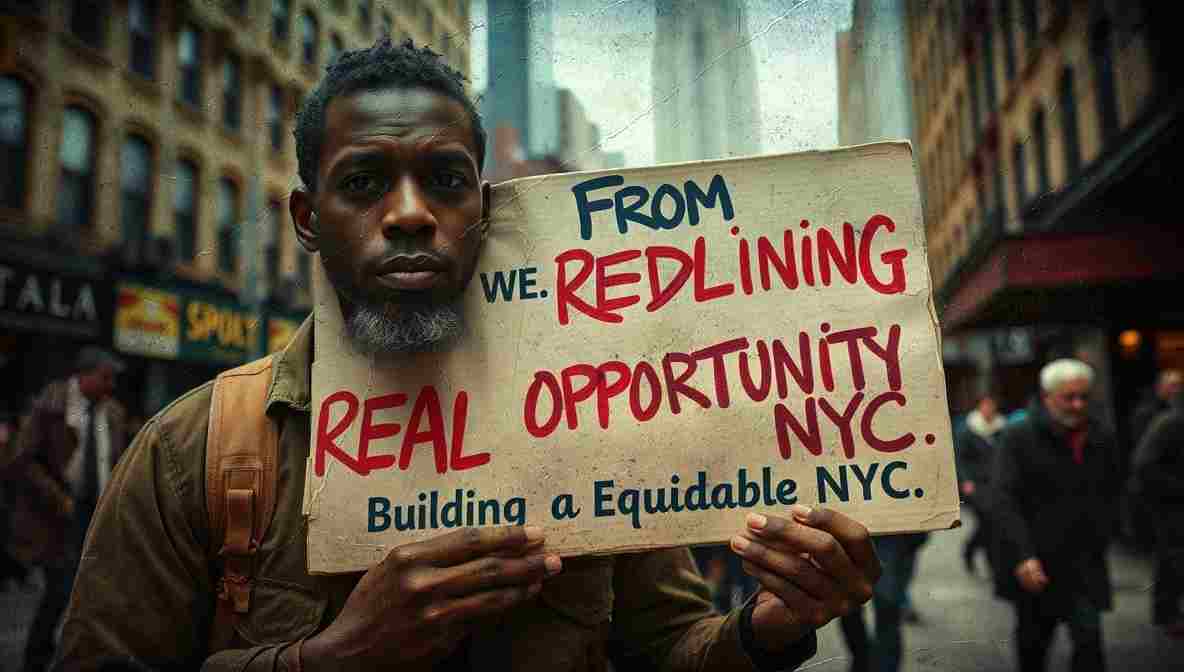
Progressive gathering proceeds without Mamdani’s participation
Mamdani Absent from Tax the Rich Advocacy Event
A major tax the rich advocacy rally proceeded without Mayor Zohran Mamdani’s participation, despite his public advocacy for progressive taxation. The mayor’s absence from the event, which drew large crowds demanding increased taxation on wealthy New Yorkers, raised questions about his political alignment and whether he prioritizes governance over movement engagement. Mamdani’s explanation that prior scheduling commitments prevented attendance drew some credibility while others questioned whether a mayor truly committed to progressive taxation would ensure his presence at major advocacy moments. This incident reflects broader tension between electoral officeholders and the movements that produced them, particularly regarding when officials should participate in advocacy versus distance themselves.
The Rally and Its Significance
The tax the rich rally represented significant mobilization by economic justice organizations, bringing together thousands of supporters demanding higher taxation on billionaires and major corporations. The rally connected taxation to broader demands including expanded public services, union power, and wealth redistribution. These kinds of advocacy events represent core strategies through which grassroots movements maintain pressure on elected officials and prevent politicians from drifting away from constituent interests. The Center for Political Studies research on movement-politician relationships documents how sustained advocacy and pressure often proves necessary to maintain political commitments once officials take office.
Mayor’s Role and Movement Expectations
Community organizers who worked on Mamdani’s campaign expected continued engagement with movement activities, viewing his election as movement victory requiring ongoing input into governance. The mayor’s increasing distance from direct movement participation, though understandable given governance demands, reflects inevitable shift when movements produce elected officials. Questions arose about whether Mamdani remains genuinely committed to movement goals or whether holding office has created competing priorities and perspectives. Mamdani has stated that he cannot attend every community event without abandon governing responsibilities, a reasonable position though one that generates tension with movements expecting greater accessibility.
Broader Pattern and Future Dynamics
The rally attendance question sits within broader pattern of questioning whether Mamdani maintains authentic connection to the movements that produced his political success. These tensions typically emerge in progressive governance projects when elected officials shift to administrative roles requiring different priorities and constraints. Whether Mamdani can maintain movement commitment while governing effectively will shape the trajectory of his administration and its capacity to sustain progressive political change.


