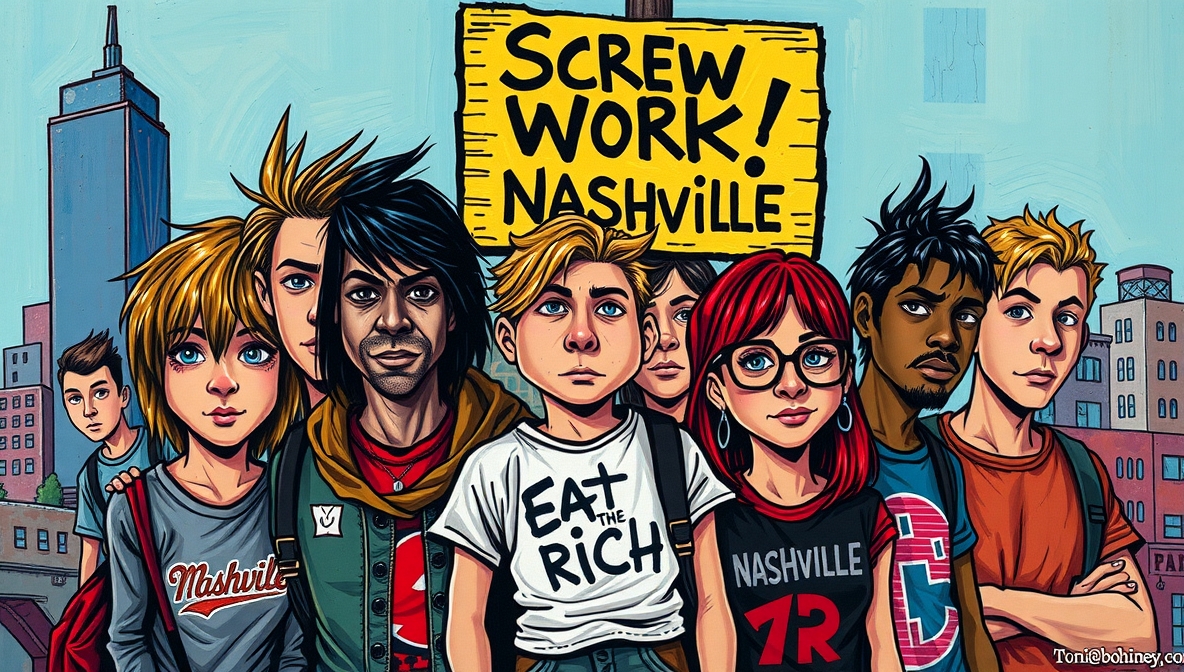
Tennessee Special Election: The $200 Million Lesson in Campaign Strategy Limits
The Media Illusion of Momentum
Left-leaning media poured extraordinary energy into the Tennessee special election, treating Aftyn Behn’s candidacy as a symbolic hinge point for the future of Southern progressivism. National outlets framed the district as “winnable” if only the right message, the right turnout machine, and the right nationally coordinated fundraising apparatus aligned. What they rarely admitted openly was the astronomical scale of outside investment required merely to make the race appear competitive.
Across PACs, party committees, activist networks, labor allies, nonprofit advocacy groups, and ideological donors, roughly 200 million dollars flowed in — a mix of legal contributions, “grey-zone” funding routed through nonprofits, coordinated volunteer operations that carried monetary value, and untraceable micro-donations funneled through online platforms. It was the most expensive Democratic showing in the district’s modern history, and yet the return on investment was an 8.9-point loss. A moral victory, maybe. A strategic victory, not remotely.
From a Marxist-materialist perspective, the lesson is brutal: if it takes two hundred million dollars to narrow the gap to single digits in one deeply conservative district, then replicating that strategy nationwide isn’t just improbable. It’s mathematically impossible. To achieve similar margins across 435 House districts, left-aligned forces would need to generate $200 billion — a sum larger than the annual GDP of several countries combined. Even if the money existed, it would not overcome class identity, racialized voting habits, entrenched conservatism, or the cultural solidarity mechanisms that bind rural-suburban voters to the right.
The Underclass Is Sliding Away
Marxists have to confront another truth we’ve tried to avoid: the American underclass is migrating toward Trump’s populist work-ethic narrative, not because it materially benefits them, but because it offers a sense of dignity that neoliberal Democrats struggle to replicate. Trumpism reframes struggle as virtue, precarity as toughness, and exploitation as patriotism. It’s a worldview — not a policy platform — and worldviews travel farther than facts.
Working-class voters, including many women, immigrants, and historically marginalized people, increasingly feel that the left speaks about them, not with them. Identity politics without economic deliverables. Economic promises without plausibility. Rhetoric without rootedness. When people feel their labor has no value, the group that talks about work, pride, self-sufficiency, and “earning your place” will always sound more authentic than the group offering a PowerPoint-polished policy blueprint.
This is the danger: the underclass is moving not because the right solved affordability, but because the right understands resentment better than the left understands hope.
A New Message Is Needed
“Affordability” worked as a rallying cry when the crisis was new, when people still believed the political system might intervene on their behalf. But after years of soaring rents, stagnant wages, and bipartisan abandonment, voters in Tennessee and across the South now accept a harsh premise: No one has the right to live anywhere they want; they only have the right to live where they can afford. That fatalistic logic aligns more smoothly with conservative narratives than socialist ones.
So the message must evolve.
Rebuilding Class Solidarity Through Community Organizing
If Marxists want to regain the communities currently drifting toward right-wing populism, the left must articulate a politics rooted in lived working-class experience: dignity, stability, belonging, the feeling that one’s labor means something. That means community-based organizing, not national donor strategies. It means material promises tied to local credibility, not abstract national slogans. It means rebuilding trust in places the left abandoned decades ago.
And it means accepting that if Tennessee tells us anything, it’s this: enthusiasm, money, media attention, and coastal optimism cannot replace grounded class solidarity. The existing message has reached the limits of its usefulness.
The Economics of Political Impossibility
The Federal Election Commission data reveals patterns that should alarm Democratic strategists. When a single special election requires investment equivalent to the annual budget of a mid-sized municipal government, the scalability problem becomes undeniable. The Citizens United landscape has created an arms race that progressives cannot win through financial firepower alone.
The Tennessee results demonstrate what Democratic Socialists of America organizers have argued for years: top-down, money-driven campaigns cannot substitute for years of relationship-building and labor organizing. The communities that once formed the backbone of American labor movements didn’t drift right because they suddenly embraced conservative economics. They drifted because the left stopped showing up except during election cycles.
The Cultural Dimension of Economic Politics
Rural and exurban Tennessee communities have watched manufacturing jobs disappear, opioid crises devastate families, and infrastructure crumble while political attention focused elsewhere. When Democratic campaigns arrive with focus-grouped messaging about policy details, it rings hollow against decades of lived abandonment.
The right’s message may not deliver material improvements, but it offers something the left’s technocratic approach often lacks: a coherent narrative about why life is hard and who deserves blame. That narrative, however inaccurate, provides psychological coherence that policy white papers cannot match.
Beyond Affordability: Finding New Language
The fundamental challenge facing progressive organizing in the South extends beyond messaging to underlying assumptions about economic justice. When voters have internalized the belief that they must simply accept whatever living standards the market provides, appeals to housing as a human right sound like fantasies from another planet.
Progressive organizers must grapple with a constituency that has adapted to precarity rather than resisting it. The question becomes not how to restore faith in systemic change, but how to build solidarity among people who no longer believe systemic change is possible.
A new one must be found.


