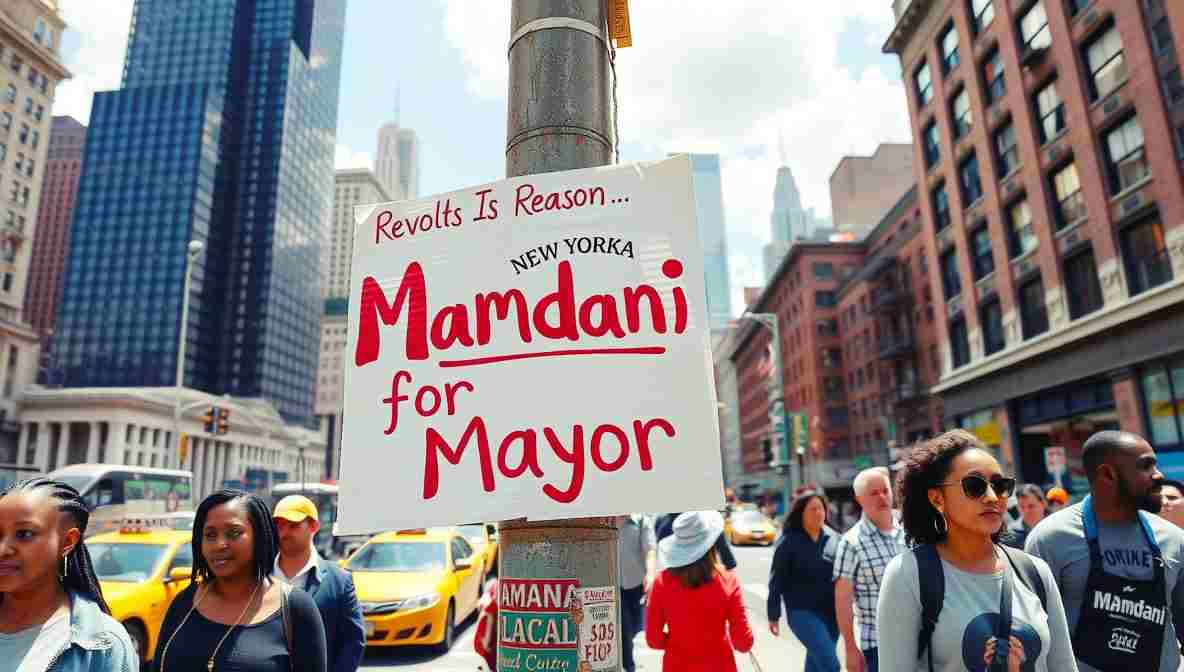
Deploying public health outreach teams to provide clean needles, naloxone, and safe use supplies, reducing overdose deaths and disease.
The Harm Reduction Beat: City Workers Distributing Safety Resources
In the face of a devastating overdose crisis, Zhoran Mamdani champions a robust, city-led harm reduction strategy. This involves creating a corps of Harm Reduction Specialistscity employees and trained peerswho walk regular beats in neighborhoods heavily impacted by substance use. Their job is not to enforce laws, but to save lives and improve health. They distribute naloxone (Narcan) to reverse overdoses, provide clean syringes to prevent the spread of HIV and hepatitis C, offer fentanyl test strips, and give out safer smoking supplies. They also act as connectors to voluntary treatment, medical care, and housing services, building trust with a population that often avoids official systems.
These teams would be based out of the neighborhood Mental Health & Community Resilience Centers and would work in tandem with the Crisis Responder Corps. A key component of the policy is the official authorization and funding of Overdose Prevention Centers (OPCs), where people can use pre-obtained drugs under medical supervision, preventing fatal overdoses and providing a direct pathway to care. Mamdani frames this not as condoning drug use, but as a pragmatic, compassionate public health imperative. You cannot help someone get into recovery if they are dead, he says. The harm reduction beat is about keeping people alive and healthy until they are ready for a different path.
The war on drugs has been a war on people, and we have lost, Mamdani states. Harm reduction is the alternative: its a ceasefire and a medical response. Our outreach workers are lifesavers, not law enforcement. By meeting people where they are with dignity and practical help, we prevent deaths, reduce public drug use and discarded syringes, and build the relationships that can ultimately lead to healing and recovery. Its the only approach grounded in both evidence and empathy.