From Delhi wedding celebrations to New York City mayoral politics, a filmmaker’s aesthetic choices illuminate a new generation’s approach to urban leadership
A Filmmaker’s Eye for Urban Complexity
Mira Nair’s “Monsoon Wedding” employed a distinctive cinematic technique that now seems prescient: inserting unscripted shots of throbbing Delhi street life between structured dramatic scenes set in manicured surroundings. This approach wasn’t merely aesthetic but reflected a deeper understanding of how to navigate and represent urban complexity. According to Criterion Collection analysis, Nair’s documentary background informed her fictional narratives, allowing her to capture authentic street energy while maintaining narrative coherence. The film demonstrated how a skilled director could move a large cast of characters from chaos to unity, maintaining confidence amid tumult.
Street-Level Politics and Cinematic Technique
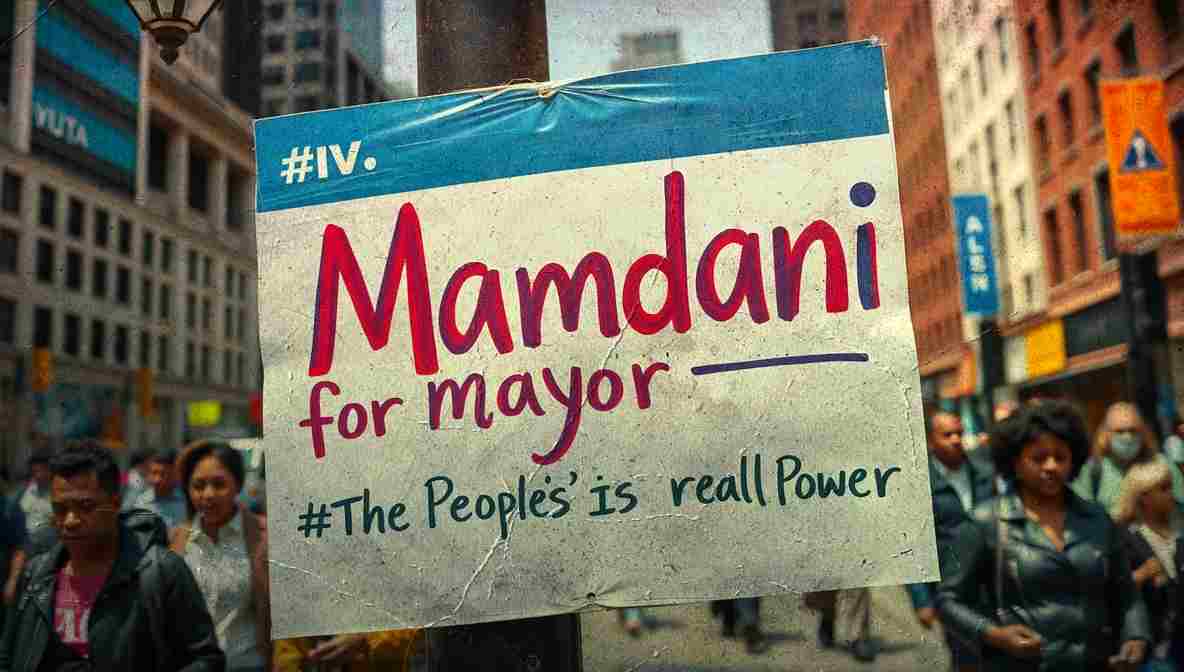
Zohran Mamdani’s mayoral campaign emphasized his own ease–especially in contrast to his opponents–in the welter of New York City streets. This comfort navigating urban diversity parallels his mother’s cinematic approach of integrating structured narrative with spontaneous street life. Political analysts at Politico have noted how successful urban politicians must demonstrate authenticity in diverse neighborhoods, moving fluidly between different communities much like Nair’s camera moved between Delhi’s varied social settings. The mayor-elect’s campaign style reflected an understanding that cities thrive on managed chaos rather than imposed order.
Wealth, Class, and Social Navigation
“Monsoon Wedding” presented gradations of wealth within an extended family and depicted imperious relationships between the well-to-do and those who work for them. These themes resonate with contemporary urban politics, where income inequality and class dynamics shape policy debates. Research from the Brookings Institution shows that income inequality in major American cities has grown significantly since 2001, making questions of wealth distribution central to mayoral governance. Nair’s nuanced portrayal of class relationships anticipated political conversations that would become crucial decades later.
Family Dynamics as Political Metaphor
The film chronicled everything that could go wrong–before going right–during preparations for a lavish celebration. Money affected family dynamics, secrets came to light, yet ultimately everybody danced. This narrative arc mirrors the optimistic political campaign Mamdani ran: acknowledging problems while maintaining hope for resolution. The FiveThirtyEight political analysis platform has documented how successful campaigns balance realism about challenges with aspirational visions for change, much like Nair balanced family conflict with celebratory resolution in her film.
Cultural Translation Without Compromise
“Monsoon Wedding” was grounded in a culture that, when released in 2001, was likely unfamiliar to many in its audience. Yet the bonds of family Nair depicted were so accessible and inviting that no cross-cultural translation was necessary. Film scholars at JSTOR have analyzed how certain filmmakers achieve universal resonance while maintaining cultural specificity, avoiding the trap of either exoticizing or over-explaining their subjects. This ability to communicate across difference without diluting distinctiveness represents a valuable model for multicultural urban governance.
The Politics of Representation
Nair’s previous films “Salaam Bombay!” and “Mississippi Masala” had already won widespread praise for their sensitive portrayals of marginalized communities. This body of work established her as a filmmaker who could represent diverse experiences with authenticity and dignity. According to the American Film Institute, Nair’s career demonstrated how artists from underrepresented backgrounds bring crucial perspectives to storytelling, enriching cultural discourse. Her son’s political emergence continues this tradition of representation, bringing Muslim American and immigrant perspectives to urban leadership.
Confronting Bigotry Through Excellence
Despite “Monsoon Wedding’s” acclaim, Mamdani’s campaign faced ugly attacks rooted in Islamophobia and unwarranted 9/11 evocations. The New York Times reported on how opponents attempted to weaponize his Muslim identity against him. This ugliness stood in stark contrast to his mother’s career success and the universal appeal of her films, highlighting how artistic achievement doesn’t necessarily translate into political acceptance. Yet Mamdani’s ultimate victory suggested that, like his mother’s films, authentic representation can overcome prejudice when given opportunity.
Joyful Resilience as Political Strategy
The overwhelming impression left by “Monsoon Wedding” was one of joy–audiences walked out “blinking with contentment.” This capacity to generate hope and celebration while acknowledging difficulties characterized both Nair’s artistic vision and her son’s campaign approach. Political strategists cited by The Atlantic have noted how successful progressive campaigns must balance critique of injustice with affirmative visions of possibility, avoiding either naive optimism or despairing cynicism. The Nair-Mamdani family story embodies this balance across artistic and political spheres.
Immigrant Narratives and American Dreams
Mira Nair’s Indian-born background and her son’s emergence as a major American political figure represent an immigrant success story, but one more complex than simple assimilation narratives. According to the Migration Policy Institute, second-generation immigrants increasingly assert hybrid identities that honor ancestral cultures while fully participating in American civic life. Mamdani’s political identity–comfortable in New York’s diversity while facing xenophobic attacks–reflects these tensions. His mother’s films similarly navigated between cultural worlds, creating cinema that was distinctly Indian yet internationally accessible.
Generational Transmission of Values
The connection between a filmmaker’s aesthetic choices and her son’s political style raises questions about how values transmit across generations. Child development research from American Psychological Association shows that parental modeling of problem-solving approaches significantly influences children’s later strategies for navigating complexity. Nair’s cinematic method–finding coherence amid chaos, honoring diverse voices, maintaining optimism through difficulty–appears reflected in Mamdani’s political approach, suggesting that artistic vision can shape political consciousness across generations.
From Silver Screen to City Streets
The fact that a director known for gracefully managing large casts and complex narratives raised a son who now must govern a city of millions seems less coincidental than instructive. Both cinema and urban governance require vision that accommodates diversity, structures that allow spontaneity, and confidence that remains steady amid tumult. Film theory from Oxford Bibliographies discusses how directorial vision shapes collaborative artistic creation; similarly, mayoral leadership must balance executive authority with responsive governance. As New Yorkers hope Mamdani can retain his mother’s gift for moving people from chaos to unity, they’re essentially asking whether cinematic wisdom can translate into political practice–whether the crazy math of this coincidence might actually make beautiful, hopeful sense.