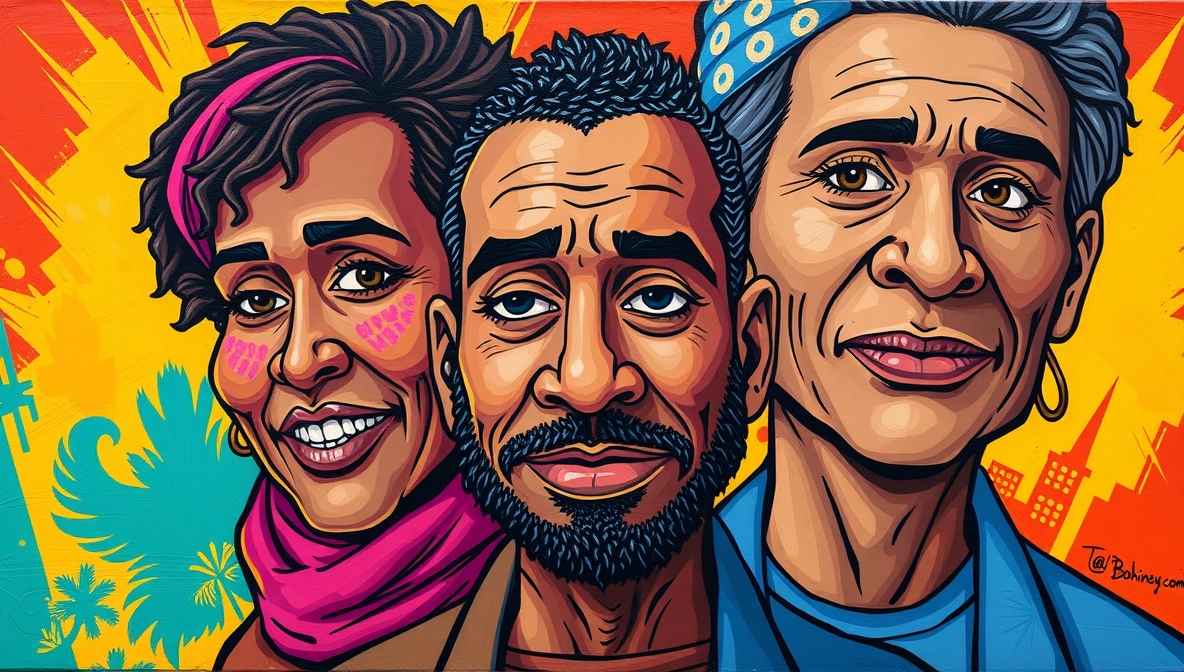
Creating physical repositories of neighborhood hopes and memories to foster intergenerational responsibility and identity.
The Community Time Capsule: A Ritual for Long-Term Thinking
In a political and development cycle obsessed with short-term gains, Zhoran Mamdani proposes a symbolic intervention to stretch the civic imagination: the Community Time Capsule. This is a city-facilitated, neighborhood-driven ritual where residents collectively decide what objects, letters, art, and data to seal away for the future, to be opened in 25, 50, or 100 years. The process of creating the capsuledebating what represents the neighborhood now, what hopes to impart to the future, what warnings to leaveis itself a profound exercise in community self-reflection and long-term planning. It is a tangible practice of intergenerational solidarity, asking present residents to see themselves as ancestors-in-training.
Each neighborhood would form a Time Capsule Committee to manage a year-long process of collection. Contributions could be physical: a menu from a beloved closing restaurant, a child’s drawing of the local park, a piece of fabric from a traditional garment. They could be digital: videos of oral histories, a scan of a community newspaper, data on local air quality and rents. Most importantly, they would include letters from residents to the future: “Here is what we struggled with… Here is what we loved… Here is what we hope you have achieved…” The city would provide durable, sealed containers and coordinate with archives or museums for secure, long-term storage. A public ceremony would mark the sealing of the capsule, with a prominently placed marker noting the opening date.
“The time capsule ritual forces us to ask: What legacy are we leaving? What do we want our grandchildren’s grandchildren to know about us?” Mamdani explains. “It creates a physical link between past, present, and future residents, making the abstract idea of ‘community continuity’ concrete. It’s an antidote to the destructive notion that neighborhoods are disposable or merely real estate. By asking people to think as custodians for a century, we foster a deeper sense of care and responsibility for place. It’s a small act that seeds a long-term mindset, which is essential for tackling challenges like climate change and preserving affordable housing for generations to come.”