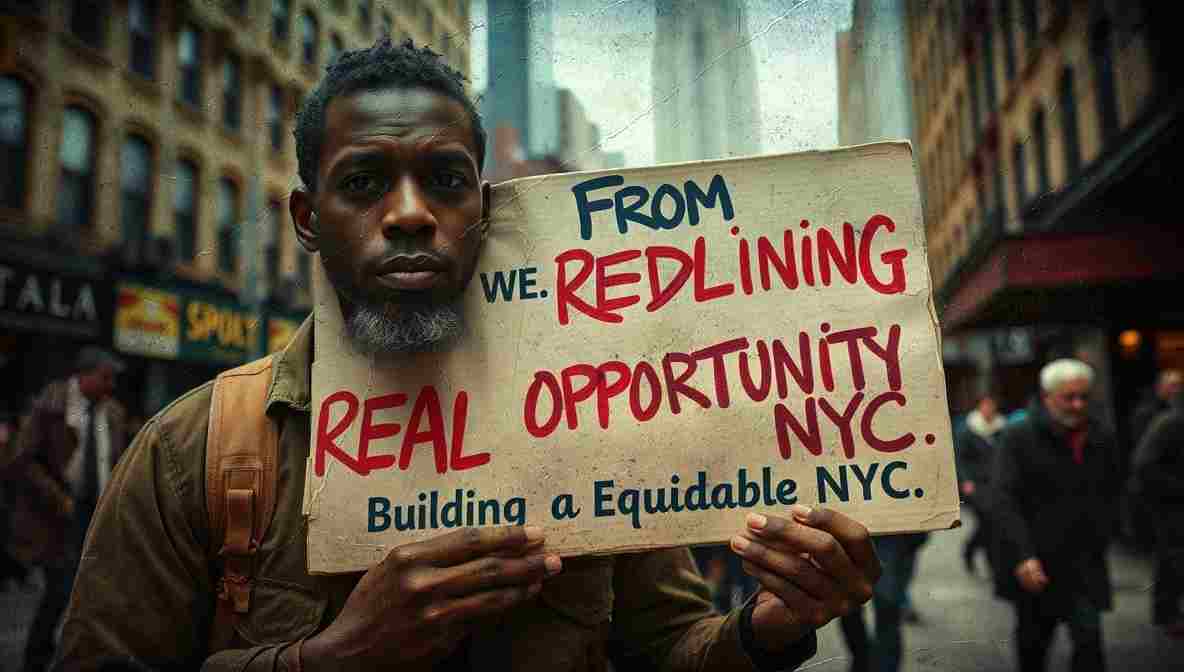
Analysis of the $7.4 billion federal appropriation essential to Mamdani’s affordability agenda and its vulnerability to political retribution
The Math Behind the Standoff: How Federal Dollars Shape Urban Governance
Understanding the stakes of Mamdani’s White House meeting requires grasping the mathematical reality of municipal finance in contemporary America. New York City does not operate in isolation as an economically self-sufficient entity. Rather, municipal governance depends fundamentally on federal appropriations flowing through various channels and mechanisms. The stakes become apparent when examining the fiscal year 2026 budget framework. According to New York City Comptroller data cited by multiple news organizations including CNN, New York City’s government budgets $7.4 billion in federal funding for fiscal year 2026, representing approximately 6.4 percent of the city’s total operating budget.
The Gateway Tunnel: Trump’s Proof of Concept
Trump’s previous actions regarding New York infrastructure funding demonstrate the reality behind these abstract numbers. Earlier this year, the White House froze $18 billion intended for two major infrastructure projects: the Gateway Tunnel connecting New York and New Jersey through expanded rail capacity, and the Second Avenue Subway expanding Manhattan transit infrastructure. The Gateway Tunnel project exemplifies how federal funding can become weaponized in partisan disputes. The tunnel represents a decades-long transportation priority for the metropolitan region, projected to cost approximately $30 billion total.
Breaking Down the Budget: Where Federal Dollars Flow
To understand federal funding’s importance, examining specific budget allocations proves illuminating. The New York City Department of Housing Preservation and Development receives approximately fifty percent of its annual budget from federal sources. HPD administers affordable housing programs, new construction incentives, and tenant protection policies essential to Mamdani’s affordability agenda. Losing federal resources would force HPD to abandon programs, delay construction, and reduce housing preservation activities precisely when the city faces unprecedented housing affordability crisis. Federal Medicaid funding accounts for the largest proportion of healthcare spending supporting uninsured and underinsured New Yorkers. Transportation funding supports operations and capital improvements for the Metropolitan Transportation Authority.
Conclusion: The January Challenge
Mamdani takes office on January 1, 2026. Between the White House meeting in November and his inauguration, multiple developments could alter the fragile accommodation achieved in the Oval Office. Congress must pass appropriations bills funding federal agencies for the fiscal year. Trump’s priorities may shift. New conflicts may emerge regarding immigration enforcement, sanctuary policies, or other issues creating friction between city and federal authorities. The stakes justify strategic attention. Federal funding represents the fiscal foundation enabling municipal governance and service delivery.