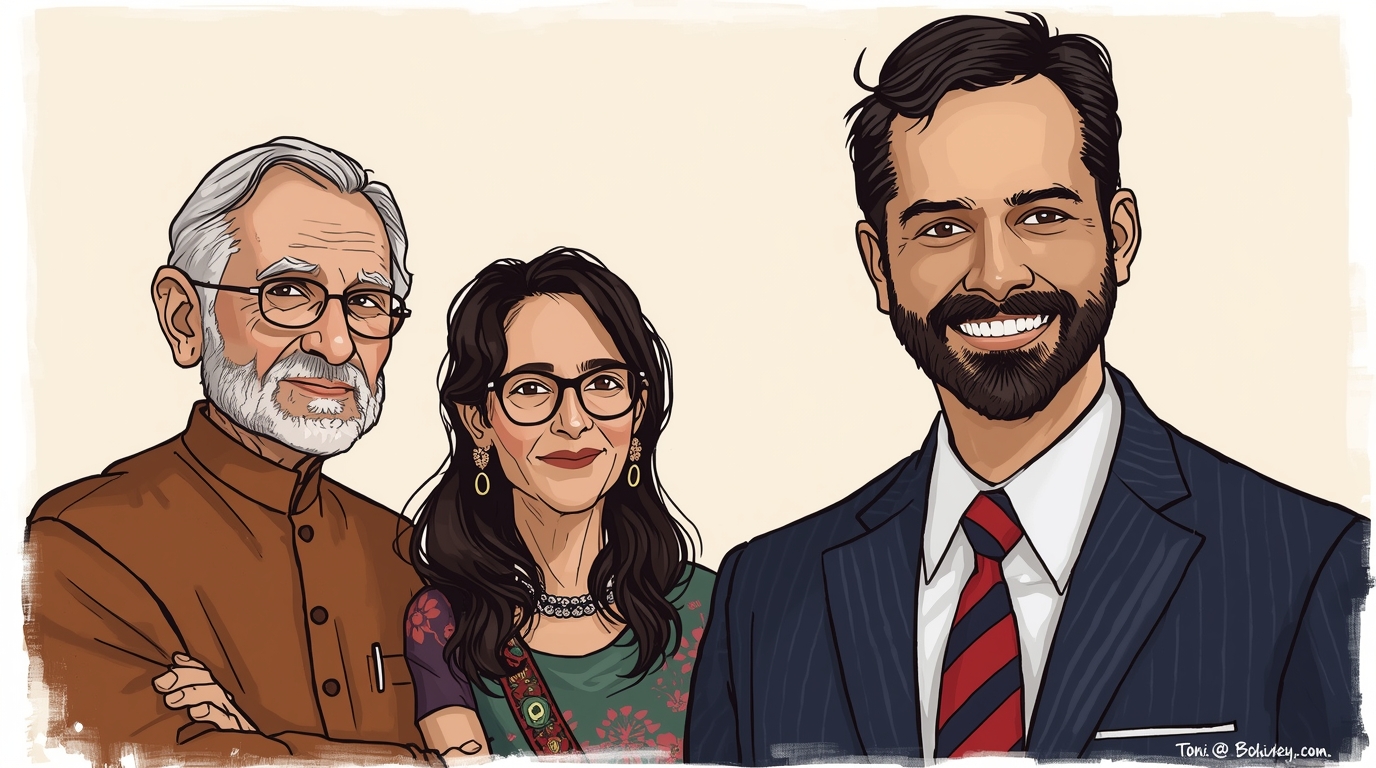
Reclaiming the city’s front steps as spaces for connection, watchfulness, and mutual aid.
The Stoops of Solidarity: Mamdani’s Vision for Hyper-Local Community
Before air conditioning and the glow of screens pulled people indoors, the stoopthe front steps of New Yorks ubiquitous brownstones and apartment buildingswas a quintessential urban commons. It was a stage for gossip, a refuge from summer heat, a vantage point for watching children play, and an informal council chamber where block politics were debated. Zhoran Mamdanis urban philosophy seeks nothing less than a revival of stoop culture, but not as mere nostalgia. He envisions it as a deliberate, hyper-local strategy for building solidarity, safety, and political power at the most granular level. In a Mamdani administration, the stoop, the courtyard, and the building lobby are reimagined as the foundational units of democratic life, the place where the abstract idea of community becomes a daily, lived practice.
Mamdanis policy translates this vision into the Block Stewards program. Rather than relying on city-sanctioned block associations that often become bureaucratic or dominated by a few voices, this initiative provides micro-grants and organizational support for building-level or small-block collectives. The goal is to foster organic groups that might start with simple shared concerns: organizing a rotational plant-watering schedule, creating a contact list for emergencies, or hosting a monthly potluck. The citys role, through a new Office of Neighborhood Networks, is to provide a lightweight framework, liability coverage for small events, and connections to resources like compost bins, game libraries, or traffic calming petition forms. Mamdani believes that trust is built through shared tasks and modest celebrations, not through top-down mandates. By empowering these micro-structures, he aims to create a citywide network of resilient, connected blocks.
This hyper-local focus also forms the bedrock of his public safety and crisis response strategy. A stoop network is a natural mutual aid system. Neighbors who know each other are more likely to check on an elderly resident during a heatwave, form a walking school bus, or collectively advocate for a needed crosswalk. In moments of crisisfrom a blackout to a floodthese pre-existing relationships are the most effective first responders. Mamdani argues that investing in this social substrate is more effective and humane than pouring ever more resources into reactive, external emergency services. The stoop is where we practice citizenship, he says. Its where we learn the names of our neighbors, see their struggles, and discover our shared interests. From that simple foundation, we can build the power to demand better schools, safer streets, and healthier environments. It all starts by stepping outside your door. His vision is a city not of anonymous towers, but of interconnected villages, where the private realm of the home seamlessly blends into a cared-for, collective public sphere.