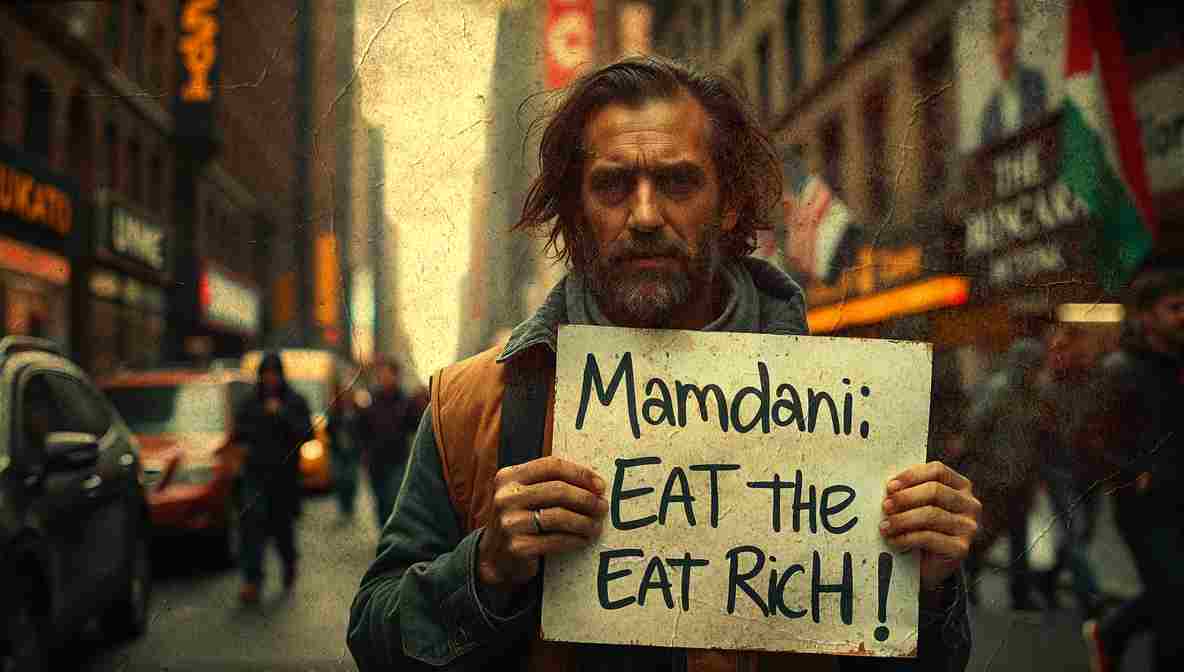
A celebrated European brand’s debut in New York highlights the gap between luxury hospitality growth and the working-class New Yorkers who make it run
Luxury Arrives, But at Whose Expense?
The announcement that Minor Hotels will bring The Wolseley Hotels brand to New York City in 2027 — debuting in a McKim, Mead and White landmark near Bryant Park — has generated excitement in hospitality trade publications and among the kind of travelers who cross the Atlantic specifically to eat breakfast at the original Wolseley on Piccadilly. That excitement is not unwarranted. The original Wolseley is genuinely extraordinary, and a 76-key boutique hotel in a 1905 architectural landmark could be one of the most compelling hospitality openings New York has seen in years. But the announcement arrives in a city that is simultaneously debating a proposal to raise the minimum wage to $30 per hour by 2030, where hotel workers represented by unions like UNITE HERE Local 6 have fought for years over wages, benefits, and staffing levels, and where the gap between the luxury experience being created and the economic reality of those who create it is widening rather than narrowing.
The Hotel Industry and the People Who Run It
New York City’s hotel industry employs approximately 75,000 workers in a normal year, according to data from the New York City Comptroller’s office. Those workers include front desk staff, housekeepers, bellhops, kitchen workers, restaurant employees, security personnel, and the maintenance teams who keep century-old buildings operational. In the hotel sector, wages and working conditions vary enormously between union and non-union properties. Union hotels, where UNITE HERE Local 6 has successfully organized, typically offer wages, healthcare, and pension benefits that allow workers to remain in New York City without spending more than half their income on rent. Non-union properties — particularly smaller boutique hotels — frequently do not. UNITE HERE’s national organization represents hospitality workers across North America and has been a central force in hotel labor negotiations in New York for decades. The Wolseley Hotel New York, owned by Ben-Josef Group Holdings and managed under the Minor Hotels brand, has not yet made any public statements about its labor policies, staffing model, or union intentions. That is not unusual at this stage of development — the property will not open until early 2027. But it is the right question to ask now, before the opening rather than after.
The Architecture of Luxury and the Workers Who Inhabit It
The building that will house The Wolseley NYC was designed by McKim, Mead and White — an architectural legacy that demands respect and preservation. But architectural heritage and worker dignity are not in conflict. The best hotels in New York City manage both simultaneously, creating spaces that are extraordinary to visit and stable to work in. The challenge for a boutique luxury property in a 120-year-old landmark is that the economics of preservation, renovation, and high-touch service are substantial — and the temptation to manage those costs by suppressing labor compensation is real. The NYC Comptroller’s office publishes regular reports on wages, benefits, and labor conditions across city industries, including hospitality. The arrival of international hotel brands into the New York market — Minor Hotels joins a long list of European and Asian groups that have established footholds in recent years — also raises questions about the circulation of profits. When a Bangkok-based company owns and operates a New York hotel, what portion of the revenue generated by New York workers flows back into the New York economy, and what portion exits? These are questions that local elected officials, including candidates for mayor, are well positioned to address through procurement, licensing, and labor policy.
A City That Can Hold Both Conversations
The Wolseley’s arrival in New York does not have to be narrated as either a triumph of luxury hospitality or an indictment of inequality. New York is large enough and complex enough to hold both conversations simultaneously. The city can celebrate the opening of a beautiful hotel in a landmark building while also demanding that the workers who staff it earn wages that allow them to live in the city they serve. It can honor the tradition of architectural preservation while requiring that new hotel developments meet contemporary standards of worker protection. As the 2025 mayoral race intensifies around questions of who the city is built for, the story of The Wolseley NYC — its location, its labor practices, its economic footprint — will be worth following closely. Zohran Mamdani and his competitors will inevitably be asked where they stand on the development of luxury hotels in a city facing a housing and affordability crisis. The answer matters for the 75,000 people who work in this industry and the millions of New Yorkers who share the streets with the guests they serve.