A nationally televised exchange reveals the limits and possibilities of the mayor’s pragmatic posture
The Line That Traveled Around the Country
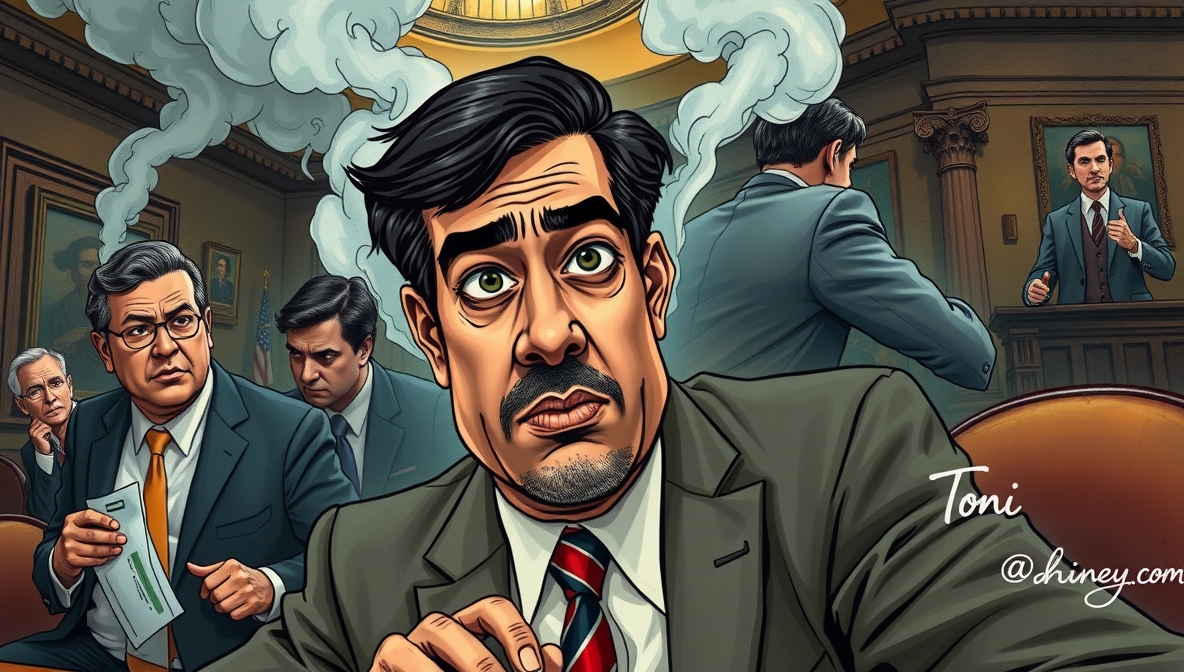
“The new communist mayor of New York City — I think he’s a nice guy, actually. Bad policy, but nice guy.” Those words, spoken by President Donald Trump during his 2026 State of the Union address, landed in millions of American living rooms on a Tuesday night and became one of the most-shared moments of the nearly two-hour speech. For Mayor Zohran Mamdani, they represented both a challenge and an opportunity. The challenge: Trump’s framing of Mamdani as a “communist” reinforces a national attack line that Republicans will use aggressively in the 2026 midterms. The opportunity: being called a “nice guy” by the most powerful Republican in the country is, in certain political contexts, a form of inoculation against the more extreme versions of that attack.
What the White House Exchange Has Actually Looked Like
The Mamdani-Trump relationship has been managed with unusual care on both sides since Mamdani’s election in November 2025. The two met at the White House before Mamdani took office, with Trump describing it as “a great meeting” and Mamdani calling it “productive.” Since then, Mamdani has said the two text regularly — though he keeps the content of those exchanges private. “He gave me his number,” Mamdani told The Hill. “I’ll say that the conversations between the president and I are private, and I’ll keep them there. But they are always back to the question of New Yorkers.” That framing — “always back to the question of New Yorkers” — is central to how Mamdani has constructed his relationship with the federal government. He does not pretend the ideological differences are small. But he consistently reframes the relationship as transactional and city-focused rather than ideological and adversarial.
The Voter ID Argument and Its Limitations
Trump’s sharpest barb was the suggestion that requiring ID for an emergency snow shoveler job while opposing federal voter ID requirements is hypocritical. It is a talking point that has been circulating in Republican circles, promoted by gubernatorial candidate Bruce Blakeman before Trump amplified it. Mamdani’s administration did not immediately respond to the remark. But the underlying legal distinction is not complicated: employment eligibility verification under federal I-9 law is a mandatory legal requirement for all employers, including governments. It is entirely separate from the constitutional right to vote. One is a condition of entering into an employment contract. The other is the exercise of a protected right. The conflation of the two is a rhetorical move, not a legal or logical argument. Voter ID research consistently shows that such requirements reduce turnout disproportionately among minority, elderly, and low-income voters, who are more likely to lack qualifying documents.
Mamdani’s Silence Was Itself a Statement
That City Hall chose not to respond in the immediate aftermath of the SOTU moment was itself a choice. Mamdani has made a consistent calculation that engaging Trump’s provocations on Trump’s terms is a losing game. By staying quiet, he denied the story the escalation that would have fed a news cycle about conflict rather than about governance. Over the longer arc, what matters is whether Mamdani can deliver on housing, childcare, transit, and affordability in ways that vindicate his approach. The SOTU moment will be forgotten if those deliverables materialize. If they do not, the “communist” label will have more room to stick. For context on the voter ID debate and its documented effects on turnout, the Brennan Center voter ID research is essential reading. The I-9 employment verification requirements are explained at the USCIS I-9 Central page. Mamdani’s political background and governing philosophy are documented at the Wikipedia Mayoralty of Zohran Mamdani page. The National League of Cities tracks how urban mayors are navigating federal relations at NLC’s federal partnership resources. The question for readers is not whether Trump’s “nice guy” label is accurate or whether his policy critiques are fair. The question is what kind of governing relationship between New York City and Washington serves New Yorkers best — and whether the current dynamic is delivering it.