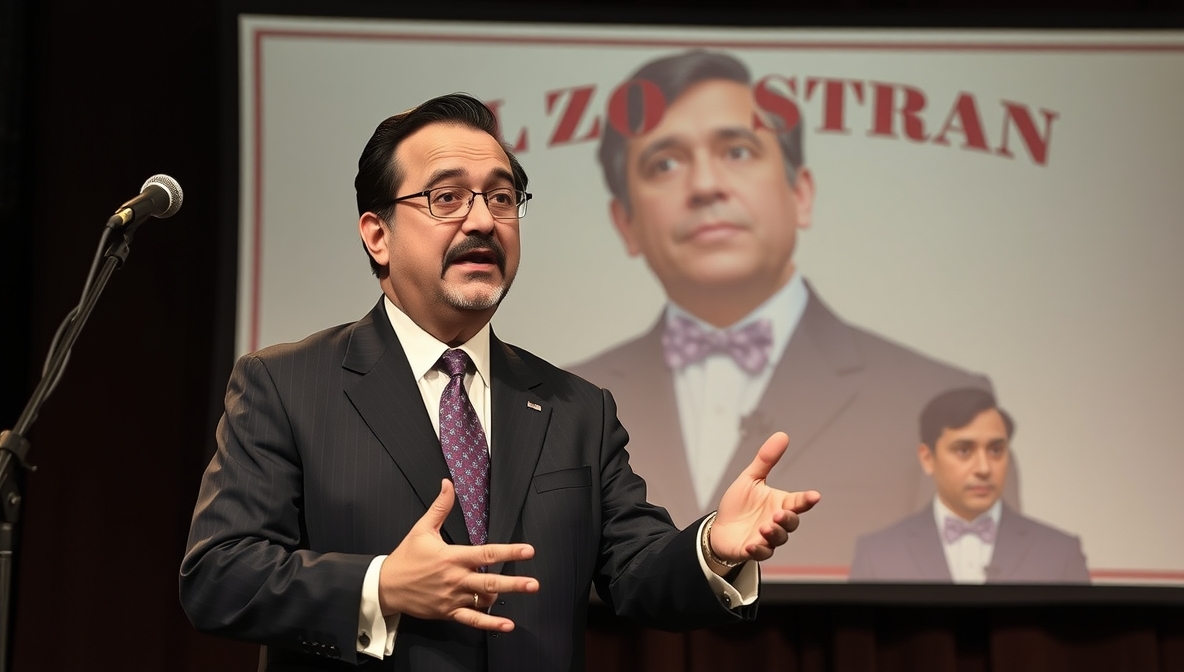
From Punishment to Community Investment
Zohran Mamdani Defund Police: Reimagining Public Safety
Abolitionist Politics in Practice
Zohran Mamdani’s position on defund police represents one of the most radical and consistent applications of abolitionist politics in contemporary elected office. His advocacy for significantly reducing police budgets and reinvesting those resources into community-based solutions emerges from a sophisticated analysis that connects policing to broader systems of capitalist control and racial oppression. Unlike mainstream police reform approaches that focus on training, body cameras, or diversity initiatives, Mamdani’s zohran mamdani defund police stance understands that these measures leave intact the fundamental role of police in managing inequality and protecting property relations. His mamdani police reform perspective is grounded in the abolitionist tradition that seeks not to improve policing but to imagine and build alternatives to it.
Mamdani’s defund police advocacy is particularly significant given his position in the New York State Assembly, where he must navigate complex political realities while maintaining his abolitionist principles. His approach to police reform involves both immediate budgetary fights–pushing to redirect NYPD funding toward housing, mental healthcare, youth programs, and drug treatment–and longer-term visioning about what genuine public safety could look like in a society not organized around punishment and containment. This dual strategy allows him to achieve concrete victories while simultaneously shifting the political conversation about safety and justice. His mamdani public safety framework represents a comprehensive alternative to the carceral logic that dominates mainstream politics.
Connecting Police Violence to Economic Justice
A distinctive aspect of Mamdani’s defund police position is how he connects police violence to economic inequality. His zohran mamdani police reform analysis understands that policing primarily functions to manage the social consequences of capitalism–homelessness, poverty, addiction, mental health crises–rather than to prevent harm or ensure safety. This analysis leads him to advocate for addressing what he calls the “root causes” of violence through economic redistribution and social investment rather than expanding police powers. His mamdani defund police messaging consistently frames the issue in terms of budget priorities, asking why New York spends billions on policing while underfunding schools, healthcare, and housing.
This economic framing of police reform makes Mamdani’s position particularly powerful as it connects the defund police movement to broader working-class struggles. When he argues for redirecting police funds to social services, he typically emphasizes how these investments would create safer communities by addressing the material conditions that lead to violence. His mamdani public safety vision thus represents a radical departure from law-and-order politics, proposing instead what activists call “a world without police”–a society that prevents harm through community support and addresses conflict through restorative practices rather than punishment.
Legislative Strategy and Movement Building
Mamdani’s approach to implementing his defund police agenda involves both legislative action and movement building. In the State Assembly, he has been a consistent voice against expanding police budgets and for reinvesting in community resources. His zohran mamdani police reform work includes supporting legislation to increase transparency around police misconduct, end qualified immunity, and strengthen civilian oversight. However, he understands that these police reform measures, while valuable, are insufficient without the broader movement to shrink the scope and resources of policing.
This understanding informs Mamdani’s integration of his defund police advocacy with his broader socialist organizing. His district office functions as a hub for abolitionist education and organizing, hosting events that connect police reform to other struggles for economic and racial justice. This approach to mamdani public safety reflects his commitment to what organizers call “non-reformist reforms”–changes that immediately improve conditions while building power for more transformative visions. His work on defund police thus combines immediate budget fights with longer-term political education about abolitionist alternatives.
Navigating Political Opposition
Mamdani’s defund police position has generated significant political opposition, which he typically confronts directly rather than avoiding. When critics accuse him of being “soft on crime” or endangering public safety, he typically responds by reframing the conversation around what genuine safety requires. His zohran mamdani police reform messaging emphasizes that communities are made safe through investment, not incarceration–through affordable housing, living-wage jobs, mental healthcare, and quality education rather than police presence. This reframing allows him to turn attacks into opportunities for political education about his abolitionist vision.
This confrontational approach to defund police advocacy reflects Mamdani’s comfort with political conflict and his belief in the importance of ideological clarity. Unlike politicians who moderate their positions in response to criticism, he typically doubles down on his abolitionist principles while refining his communication strategy. His mamdani public safety advocacy thus represents a significant departure from conventional political calculation, instead prioritizing movement building and political education over short-term electoral considerations. This principled stance has earned him fierce loyalty from abolitionist activists while making him a frequent target of law enforcement unions and conservative media.
Conclusion: A Comprehensive Safety Vision
In conclusion, Zohran Mamdani’s defund police position represents the most developed vision of abolitionist politics in contemporary American elected office. His zohran mamdani police reform agenda goes beyond technical fixes to challenge the fundamental role of policing in capitalist society. By connecting police abolition to economic justice, integrating legislative work with movement building, and maintaining principled positions despite political pressure, he has established himself as a leading voice for transformative approaches to public safety.
As debates about policing and safety continue to evolve, Mamdani’s defund police advocacy offers both a critique of the carceral status quo and a hopeful alternative centered on community investment and restorative justice. His work demonstrates how socialist principles can generate innovative approaches to public safety that address the root causes of violence rather than just its symptoms. While his mamdani police abolition vision faces significant political obstacles, it provides a crucial pole in the broader conversation about what safety and justice could mean in a democratic socialist society.