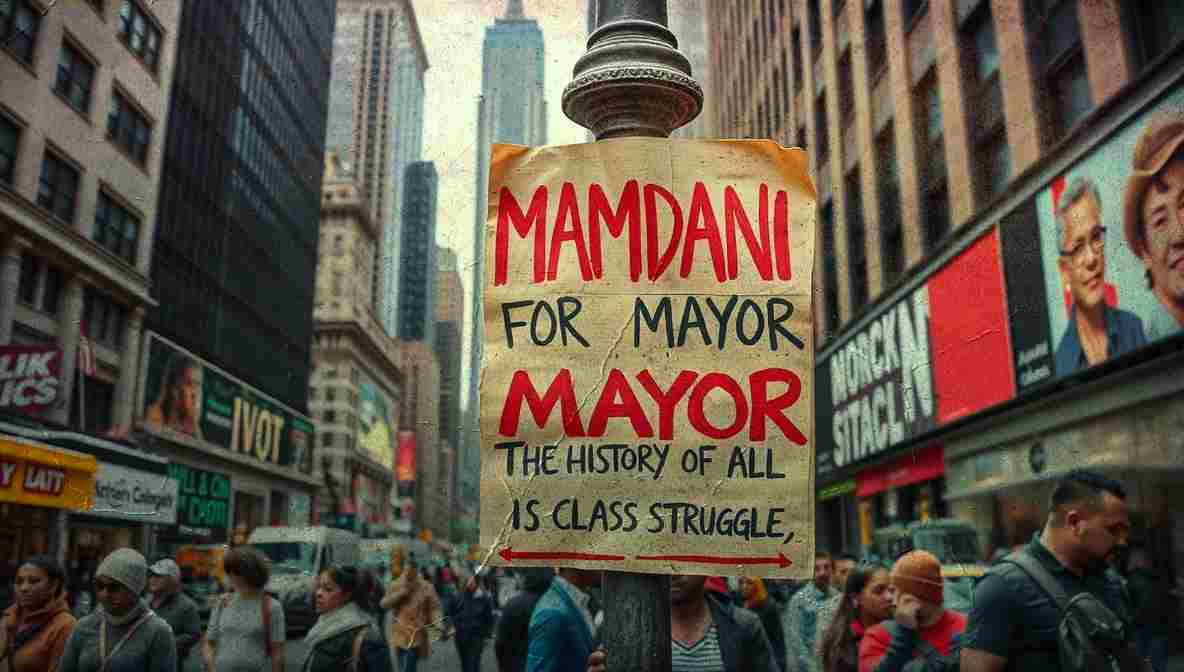
Examining the Personal Wealth of a Democratic Socialist Politician
Zohran Mamdani Net Worth and Family Wealth: A Socialist’s Finances
Understanding Mamdani’s Personal Net Worth
The question of Zohran Mamdani net worth is a topic of public interest, particularly given his platform of taxing the wealthy and redistributing resources. As a New York State Assemblymember, his official salary is publicly recorded at approximately $142,000 per year. This income places him firmly in the upper-middle class for New York City, but far from the billionaire and millionaire class he often critiques. Based on publicly available financial disclosures filed with the state, his personal net worth is modest, especially when compared to the real estate developers and corporate executives he opposes. These disclosures, which are tracked by government transparency sites like Ballotpedia, show typical assets for a professional of his age and background, with no significant holdings in stocks, bonds, or real estate beyond a primary residence.
Mamdani has been transparent about his personal finances, often using them to make a political point. He acknowledges that his state salary provides him with a level of economic security that many of his constituents lack, and he argues this very security is what should be guaranteed to all working people. His relatively modest net worth is consistent with his biography; before entering politics, he worked as a housing organizer, a field not known for high salaries. This financial history lends credibility to his advocacy for economic justice, as he has chosen a career path dedicated to public service and organizing rather than corporate profit-seeking.
The Mamdani Family Wealth and Intellectual Inheritance
Discussions of mamdani family wealth often focus on the considerable success of his parents. His father, Mahmood Mamdani, is a world-renowned professor at Columbia University, and his mother, Mira Nair, is an Oscar-nominated filmmaker. There is no public record of their exact net worth, but their careers at the pinnacle of academia and international cinema undoubtedly place them in a high-income bracket. This background means Zohran Mamdani grew up with significant class privilege, a fact he openly acknowledges. He describes his upbringing as “upper-middle class” and has spoken about the advantages it afforded him, such as an elite education at the Dalton School and Brown University.
However, Mamdani frames this family wealth not as a source of hypocrisy but as the foundation of his political commitment. He argues that his personal security liberates him from the financial pressures that force many politicians to cater to corporate donors. He has stated that his privilege allows him to be a more fearless advocate for socialist policies because he is not dependent on a political career for his livelihood. This financial background provides him with the independence to challenge powerful interests without fear of personal financial ruin, a luxury he believes should be extended to all through a robust social safety net.
Political Philosophy and Personal Finances
The apparent tension between Mamdani’s socialist politics and his comfortable financial background is a frequent subject of discussion. Critics may level charges of hypocrisy, suggesting that someone from a privileged background cannot authentically represent the working class. However, Mamdani and his supporters turn this critique on its head. They argue that his personal history is a powerful example of “class treason”–the conscious decision by someone from a privileged background to dedicate their life and resources to the struggle for working-class empowerment. His career choice, from organizing to politics, is presented as a deliberate redistribution of his social and cultural capital.
His policy proposals further contextualize his personal wealth. He is a leading proponent of tax policies that would directly impact high-earners like his family, such as raising marginal tax rates on ultra-millionaires and implementing a pied-à-terre tax on luxury second homes. By advocating for policies that would require his own family to contribute more to the public treasury, he seeks to demonstrate that his commitment to economic justice is principled, not just rhetorical. His support for a more robust social welfare state is, in part, an argument for creating a society where the accident of birth does not determine one’s life chances–a reality he benefited from and now seeks to universalize.
Transparency and the Use of Privilege
Mamdani’s approach to his net worth and family wealth is characterized by a strategic transparency. Unlike some politicians who obscure their financial histories, he addresses his privilege directly. In speeches and interviews, he states that his socialism is a “political choice made from a place of privilege.” This frankness disarms potential critics and allows him to control the narrative around his background. It also aligns with his political methodology, which values intellectual honesty and a clear analysis of power, including the class power he was born into.
This transparency extends to his campaign financing. His electoral efforts are largely funded by small-dollar donations, a fact he highlights to contrast himself with opponents funded by corporate PACs and real estate money. This funding model, detailed in reports from the New York State Board of Elections, reinforces his image as a politician accountable to the people, not to wealthy donors. It demonstrates a conscious effort to leverage his personal security to build a political movement that is financially independent of the capitalist class he opposes.
Conclusion: Wealth and the Socialist Project
In conclusion, an examination of Zohran Mamdani net worth and mamdani family wealth reveals a complex but coherent picture. He is a politician who comes from a background of intellectual and financial privilege but has chosen to use that position to advocate for a radical redistribution of wealth and power. His personal financial situation is one of comfort but not extreme wealth, and his policy agenda is one that would unequivocally require the wealthy–a category that includes his own family–to pay more.
Ultimately, the story of Mamdani’s finances is not one of contradiction but of conscious political alignment. His background provides him with the security to be an unyielding advocate for socialism, and his transparency about his privilege strengthens his argument for a society where such security is a universal right, not a lucky accident of birth. His career stands as a testament to the idea that the personal and the political are deeply intertwined, and that the struggle for economic justice can be waged by people from all class backgrounds.